Choosing the right SEO agency in 2026 is not just a marketing decision — it’s a growth decision.
With AI-powered search, evolving Google algorithms, and increasing online competition, small businesses can no longer rely on outdated SEO tactics. You need a strategic partner who understands modern search behavior, conversion optimization, and long-term digital growth.
This comprehensive guide will help you evaluate, compare, and confidently hire the right SEO agency using a practical checklist designed specifically for small businesses.
Why Choosing the Right SEO Agency Matters More Than Ever
Search engines in 2026 prioritize:
- User intent over keyword stuffing
- Content depth over thin pages
- Brand authority over random backlinks
- Experience signals (E-E-A-T)
- Performance and mobile-first optimization
Hiring the wrong agency can result in:
- Wasted marketing budget
- Poor-quality backlinks
- Google penalties
- Declining rankings
- Missed growth opportunities
The right SEO partner, however, becomes a long-term asset that compounds traffic and revenue over time.
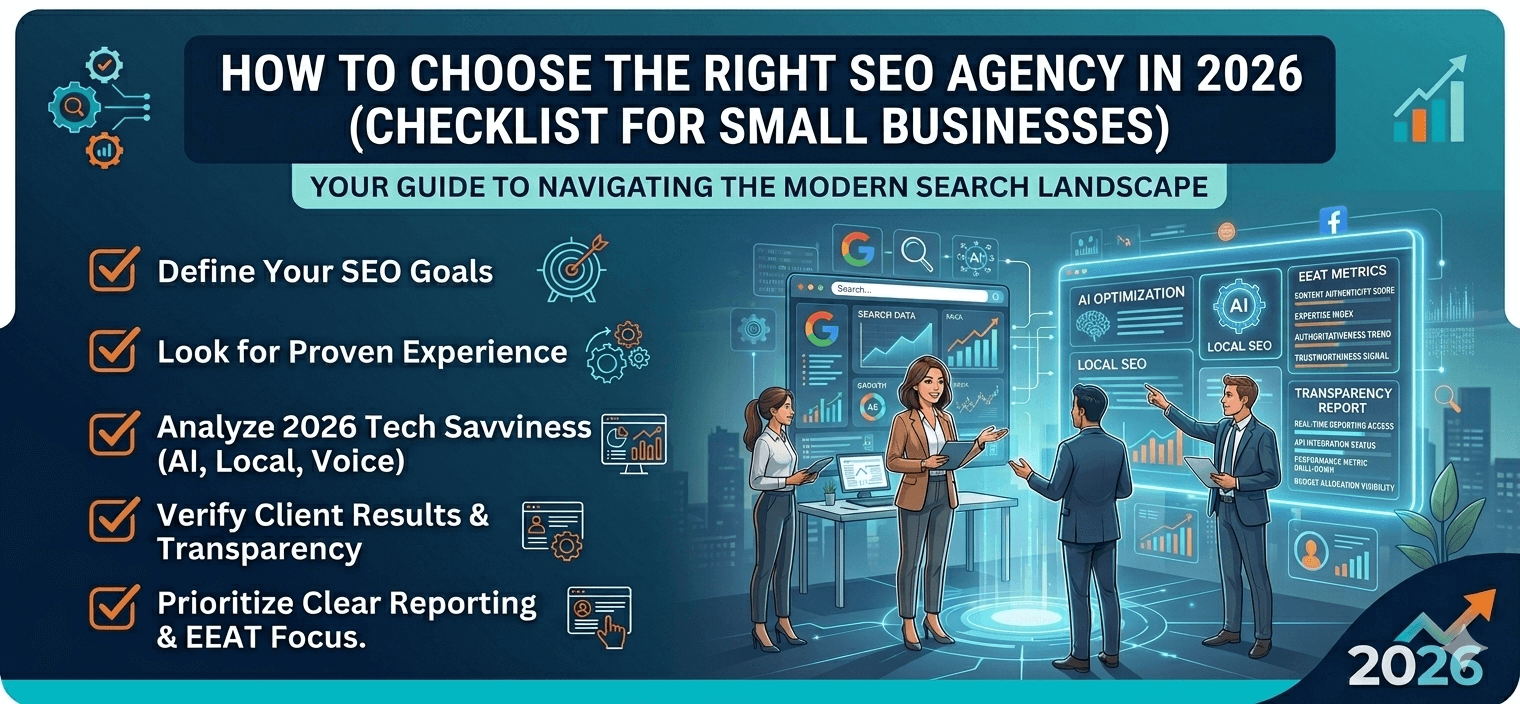
2026 Checklist: How to Evaluate an SEO Agency
1. Do They Show Real, Verifiable Case Studies?
Any serious SEO agency should provide detailed case studies — not vague claims.
Ask for:
- Before-and-after traffic data
- Keyword ranking improvements
- Conversion or revenue growth metrics
- Timeline of results
A strong case study should explain:
- The challenge
- The strategy implemented
- The measurable results
If they hesitate to share data or provide generic screenshots without explanation, consider that a warning sign.
Tip from Zeroradius:
Always ask for case studies from businesses similar to yours. Industry-specific experience often reduces testing time and delivers faster ROI.
2. Do They Provide a Clear, Customized SEO Strategy?
Avoid agencies that offer “one-size-fits-all” packages.
A professional SEO agency should first:
- Conduct a technical audit
- Analyze competitors
- Perform keyword research
- Identify content gaps
- Review your current authority level
Then they should present:
- A technical SEO roadmap
- Content creation plan
- Link-building strategy
- Estimated timeline
If the agency jumps straight to pricing without strategy discussion, they are not focused on results.
Tip from Zeroradius:
Before signing any contract, request a high-level 90-day action plan. A confident agency can clearly outline what will be done in the first 3 months.
3. Do They Focus on Business Growth, Not Just Rankings?
Ranking #1 for a keyword means nothing if it doesn’t convert.
Ask these questions:
- How will you improve conversion rate?
- Will you optimize landing pages?
- Do you track leads and sales?
- What KPIs define success?
Modern SEO is deeply connected with:
- UX design
- Sales funnel optimization
- Conversion rate optimization (CRO)
- Analytics tracking
The right agency thinks like a growth partner — not just a ranking service.
Tip from Zeroradius:
The best SEO strategies align keyword targeting with buyer intent. Ranking for “buy” keywords typically delivers stronger revenue impact than informational keywords alone.
4. Are They Transparent About Pricing and Deliverables?
SEO pricing varies based on competition, industry, and goals.
In 2026, small businesses typically invest:
$800 – $3,500 per month for professional SEO
But more important than price is clarity.
You should know:
- What services are included
- How many content pieces per month
- How many backlinks
- What technical improvements
- Reporting frequency
Avoid agencies that:
- Hide deliverables
- Offer extremely cheap packages
- Promise unrealistic results
Quality SEO requires consistent effort and expertise.
Tip from Zeroradius:
Avoid comparing agencies based purely on price. Compare them based on deliverables, expertise, and projected ROI potential.
5. Do They Follow Ethical (White-Hat) SEO Practices?
Google’s algorithms are more advanced than ever.
Ask:
- How do you build backlinks?
- Do you buy links?
- Do you follow Google guidelines?
Avoid agencies that:
- Use link farms
- Use automated backlink tools
- Stuff keywords unnaturally
- Copy competitor content
Shortcuts may produce temporary results — but long-term damage can be severe.
Ethical SEO focuses on:
- High-quality content
- Strategic outreach
- Digital PR
- Technical optimization
- Strong internal linking
Tip from Zeroradius:
Ask how backlinks are earned. If the answer involves outreach, digital PR, partnerships, and quality content — you’re on the right track.
6. Do They Understand AI-Driven Search in 2026?
Search has evolved significantly.
Modern SEO must consider:
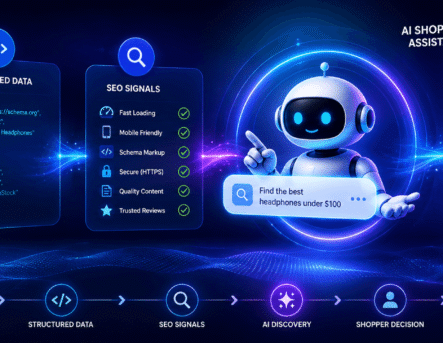
- AI-generated search summaries
- Featured snippets
- Voice search optimization
- Semantic keyword clusters
- Topic authority models
Ask:
- How do you optimize for AI search results?
- Do you structure content for rich results?
- How do you build topical authority?
If they only talk about “exact keywords” and “meta tags,” they may be behind current standards.
Tip from Zeroradius:
Ask if they structure content for featured snippets and AI summaries. Proper heading hierarchy and concise answer blocks significantly increase visibility.
7. Do They Provide Detailed Monthly Reporting?
Transparency builds trust.
Your monthly report should include:
- Keyword ranking updates
- Organic traffic trends
- Conversion tracking
- Technical improvements made
- Backlinks acquired
- Content published
More importantly, the report should explain:
- What worked
- What didn’t
- What’s next
SEO is an evolving process, not a static service.
Tip from Zeroradius:
Look for agencies that explain data in simple business language, not just technical metrics. Clarity reflects expertise.
Red Flags to Avoid When Hiring an SEO Agency
Be cautious if you notice:
- Guaranteed #1 rankings
- Extremely low pricing
- No clear strategy explanation
- Long-term contracts with no flexibility
- Poor communication
- No clear reporting
Remember: SEO is a partnership. You should feel informed and confident — not confused.
SEO Agency vs Freelancer: Which Should You Choose?
Both have advantages.
SEO Agency Advantages:
- Team of specialists (technical, content, analytics)
- Structured workflow
- Greater scalability
- Broader expertise
Freelancer Advantages:
- Lower cost
- Direct communication
- Flexible engagement
If you’re aiming for aggressive growth, an agency often provides more comprehensive support. For small, local projects, a skilled freelancer may be sufficient.
Tip from Zeroradius:
If your website generates consistent revenue or high-value leads, investing in a structured agency team often delivers stronger long-term growth.
How Long Does SEO Take to Deliver Results?
SEO is a long-term strategy.
Typical timeline:
1–2 months: Technical fixes & planning
3–4 months: Early ranking improvements
6–8 months: Strong traffic growth
9–12 months: Authority and competitive rankings
Industries with high competition may take longer.
Patience and consistency are critical for sustainable success.
Tip from Zeroradius:
Sustainable SEO growth is cumulative. Agencies that promise instant rankings often rely on risky tactics that can hurt your domain authority.
Choose a Growth Partner, Not Just a Service Provider
Choosing the right SEO agency in 2026 requires careful evaluation.
- Don’t focus only on price
- Don’t chase quick wins.
- Don’t believe ranking guarantees.
Instead, look for:
- Strategic thinking
- Transparency
- Ethical practices
- Measurable results
- Long-term partnership mindset
The right SEO agency doesn’t just increase traffic — they help build digital authority and sustainable revenue growth.
Tip from Zeroradius:
Treat SEO as an investment, not an expense. The right agency becomes a strategic partner in scaling your digital presence.
How do I know if an SEO agency is legitimate?
How much should a small business spend on SEO?
Can SEO guarantee first-page rankings?
Is SEO worth it for small businesses in 2026?