Website performance is one of the most important factors in ecommerce growth. A store may have great products, strong offers, and a beautiful design. However, if the website loads slowly or feels difficult to use, customers may leave before buying.
In ecommerce, every second matters. Visitors expect product pages to open quickly, images to load smoothly, buttons to respond fast, and checkout to work without delay. If the experience feels slow, it can affect trust, sales, and search visibility.
At Zeroradius, website performance is not treated as a final step. It is part of our complete ecommerce development process. Whether we are building a Shopify store, a WooCommerce website, a BigCommerce store, or a custom website, performance is planned from the beginning.
We also connect performance with web design and UI/UX services. A fast website is important, but speed alone is not enough. The website should also be clear, mobile-friendly, easy to browse, and designed to help users take action.
If you want to understand our full process, you can also read The Zeroradius Website Design Process and How Zeroradius Builds High-Converting Ecommerce Websites.
What Is Website Performance?
Website performance refers to how fast and smoothly a website works for users. It includes page loading speed, image loading, mobile responsiveness, server response, layout stability, button response, and the overall browsing experience.
For ecommerce websites, performance is especially important because users move through many pages before buying. They may visit the homepage, browse categories, open product pages, add items to the cart, and then complete checkout.
If any part of this journey feels slow or broken, users may stop. For example, a customer may leave if product images take too long to appear. Another customer may abandon checkout if the payment page feels delayed or confusing.
Good website performance helps users move through the store without frustration. As a result, it supports better user experience, stronger trust, and higher conversion potential.
Why Performance Matters More in Ecommerce
Ecommerce websites are different from simple business websites. A normal service website may have a few pages and a contact form. An ecommerce website has product pages, product images, categories, filters, cart pages, checkout steps, payment options, and customer account areas.
Because ecommerce websites have more moving parts, performance can easily become a problem. Large images, too many apps, unnecessary plugins, heavy themes, and poor hosting can slow down the store.
When an online store is slow, customers may lose patience. They may also lose trust. A slow website can make the business feel less professional, even if the products are good.
This is why Zeroradius focuses on performance during ecommerce development. A website should not only look good. It should also load fast, work well on mobile, and support a smooth buying journey.
Website Speed Affects First Impressions
First impressions happen quickly online. When someone visits your website, they decide within a few seconds whether the page feels useful and trustworthy.
If the website opens quickly, users are more likely to stay. If it takes too long, they may go back to search results or visit a competitor.
This is especially true for ecommerce brands. A customer who wants to buy a product does not want to wait for every page to load. They expect a smooth experience from product discovery to checkout.
A fast website creates confidence. It shows that the brand is professional and that the shopping experience has been planned properly.
At Zeroradius, we build ecommerce websites with this user expectation in mind. From the homepage to product pages, each important section should feel easy and responsive.
Slow Websites Can Reduce Conversions
Conversion means getting users to take action. In ecommerce, this usually means adding a product to cart, completing a purchase, or submitting an enquiry.
A slow website can reduce conversions because it creates friction. Users may not wait for product pages to load. They may leave before seeing important details. They may abandon the cart if checkout feels slow.
Even small delays can affect the customer journey. For example, if a product page loads slowly on mobile, the user may not see the product image properly. If the add-to-cart button responds late, the user may feel unsure whether the action worked.
Better performance helps reduce these problems. It allows customers to browse, compare, and buy with less frustration.
You can also read our article on high-converting ecommerce websites to understand how performance, UI/UX design, product pages, and checkout work together.
Performance and UI/UX Design Work Together
Website performance is not only a technical issue. It is also connected to UI/UX design. A website can be fast but still difficult to use. In the same way, a website can look beautiful but feel slow and frustrating.
A strong ecommerce website needs both. It should load quickly and guide users clearly.
Good UI/UX design can improve performance by avoiding unnecessary clutter. Clean layouts, optimized images, simple sections, and clear navigation can make the website feel faster and easier to use.
Zeroradius designs websites with this balance in mind. We avoid adding too many design effects or heavy elements that do not support the user journey. Instead, we focus on practical design that helps visitors understand the website and take action.
If you want to learn more about our design approach, read How Zeroradius Approaches UI/UX Design.
Mobile Performance Is Very Important
Many ecommerce customers browse and shop from mobile phones. They may come from social media, Google search, ads, WhatsApp links, or email campaigns.
Because of this, mobile performance is very important. A website that works well on desktop but loads slowly on mobile can still lose customers.
Mobile users expect pages to open quickly. They also expect product images, buttons, menus, filters, cart pages, and checkout forms to work smoothly on smaller screens.
Zeroradius builds mobile-friendly ecommerce websites that focus on both speed and usability. We make sure layouts are responsive, text is readable, buttons are easy to tap, and important actions are easy to find.
A better mobile experience can improve engagement and reduce drop-offs. It can also support SEO because search engines prefer websites that work well on mobile devices.
Performance for Shopify Websites
Shopify is a reliable ecommerce platform, but store performance still needs attention. A Shopify store can become slow if it uses a heavy theme, too many apps, large images, or unnecessary scripts.
Many businesses install apps for reviews, popups, upsells, chat, analytics, email marketing, and other features. Some apps are useful, but too many can slow down the store and create a poor user experience.
Zeroradius builds Shopify websites with clean structure and practical app usage. We focus on features that support the business instead of adding everything at once.
Our Shopify website development services include store setup, theme customization, product page design, mobile optimization, and performance-friendly development.
You can also read Shopify Development Services by Zeroradius to learn more about how we build Shopify stores.
Performance for WooCommerce Websites
WooCommerce is flexible because it works with WordPress. However, performance depends on how the website is built and maintained.
A WooCommerce website can become slow because of poor hosting, too many plugins, large images, heavy themes, unoptimized databases, or unnecessary scripts.
Because WooCommerce gives more control, it also needs more careful planning. The right hosting, theme, plugin setup, image optimization, and caching strategy can make a big difference.
Zeroradius builds WooCommerce websites with performance in mind. We focus on clean layouts, practical plugin usage, optimized product pages, and responsive design.
You can read WooCommerce Development Services by Zeroradius to understand how our WooCommerce development process supports flexibility and performance.
Performance for BigCommerce Websites
BigCommerce is often used by growing ecommerce brands that need scalability and strong built-in features. However, a BigCommerce website still needs performance-friendly design and development.
Large product catalogs, detailed product pages, integrations, and visual sections can affect how the website feels to users. If the website is not planned well, customers may struggle to browse smoothly.
Zeroradius approaches BigCommerce development with a focus on clean design, useful product structure, mobile responsiveness, and optimized user flow.
For growing brands, performance matters because more products and more traffic can create more pressure on the website. A scalable ecommerce store should be planned for both current needs and future growth.
To learn more, you can read BigCommerce Development Services by Zeroradius.
Common Reasons Ecommerce Websites Become Slow
Many ecommerce websites become slow over time. In some cases, the website starts fast but becomes heavy as more products, images, apps, plugins, and scripts are added.
One common reason is large images. Product images are important, but if they are not optimized, they can slow down pages. Another issue is using too many apps or plugins. Each extra tool can add scripts and increase loading time.
Heavy themes can also affect performance. Some themes include many features that are not needed. While they may look attractive, they can make the website slower.
Poor hosting is another major issue for WooCommerce and WordPress websites. If hosting is weak, even a well-designed website may perform badly.
Zeroradius reviews these areas while planning and improving ecommerce websites. The goal is to keep the website clean, useful, and fast.
How Zeroradius Improves Website Performance
Zeroradius improves website performance by looking at both design and technical structure. We do not focus only on one area because performance depends on many factors.
First, we plan clean layouts. This reduces unnecessary sections and helps users move through the website faster. Then, we focus on optimized images, responsive design, practical features, and clear page structure.
For Shopify websites, we review theme structure, apps, scripts, and product page layouts. For WooCommerce websites, we consider hosting, plugins, theme quality, image optimization, and page structure. For BigCommerce websites, we focus on scalable design, product organization, and optimized storefront experience.
Performance improvement is not about removing everything from the website. It is about keeping what matters and improving what slows users down.
Website Performance and SEO
Website performance can also support SEO. Search engines want to show websites that provide useful and smooth experiences for users.
If a website is slow, difficult to use on mobile, or poorly structured, it may struggle to perform well in search results. On the other hand, a fast and user-friendly website gives search engines better signals.
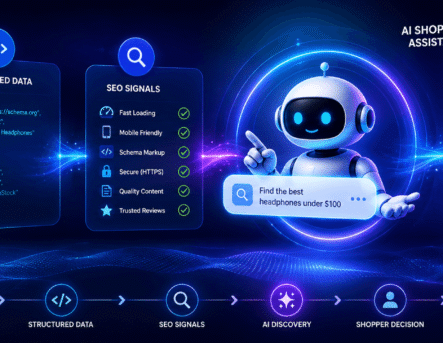
SEO-friendly performance includes fast loading speed, mobile responsiveness, proper headings, clean internal links, optimized images, and readable content.
Internal linking also helps SEO. For example, this article links to related pages such as ecommerce development services, web design and UI/UX services, and platform-specific blog posts.
This helps users explore more content and helps search engines understand the relationship between pages.
Website Performance Builds Trust
Customers often judge a business based on the website experience. A slow or broken website can create doubt. Users may wonder whether the business is professional or reliable.
A smooth website creates the opposite feeling. It makes the brand feel more trustworthy. When pages open quickly, buttons work properly, and checkout feels easy, customers feel more comfortable.
Trust is especially important in ecommerce. Customers are sharing personal details, addresses, and payment information. They need to feel safe before completing a purchase.
Zeroradius combines performance, UI/UX design, secure checkout planning, and trust-building elements to create better ecommerce experiences.
Performance Should Be Planned Before Launch
Many businesses think about website speed only after launch. However, it is better to plan performance from the beginning.
If a website is designed with too many heavy sections, large images, and unnecessary features, fixing performance later can take more time. It may also require redesigning parts of the website.
Zeroradius includes performance planning during the website design process. This helps reduce future problems and creates a stronger foundation.
Before launch, important areas should be tested. This includes homepage sections, product pages, category pages, cart flow, checkout, mobile layout, forms, and basic loading experience.
A website that launches with better performance has a stronger chance of creating a good first impression.
Why Businesses Choose Zeroradius for Website Performance
Businesses choose Zeroradius because we understand how performance connects with ecommerce growth. Speed is not treated as a separate technical task. It is connected to design, development, SEO, mobile usability, and conversions.
Our team works with Shopify, WooCommerce, BigCommerce, ecommerce development, and UI/UX design. This helps us look at the full website experience instead of focusing on only one part.
Some businesses need a faster Shopify store. Others need a better WooCommerce setup. Some need cleaner product pages, fewer apps, better mobile layouts, or a complete website redesign.
Instead of using the same solution for every website, Zeroradius studies the real issue and recommends practical improvements.
Final Thoughts
Website performance plays a major role in ecommerce growth. A fast and smooth website can improve user experience, build trust, support SEO, and help customers move from browsing to buying with less friction.
A slow website, on the other hand, can reduce engagement, increase drop-offs, and affect conversions. This is why performance should be planned from the beginning of every ecommerce development project.
Zeroradius helps businesses build ecommerce websites that are fast, mobile-friendly, clear, and conversion-focused. Whether you need Shopify development, WooCommerce development, BigCommerce development, web design and UI/UX services, or complete ecommerce development support, our team can help improve the website experience.
To learn more, visit the Zeroradius homepage. You can also explore our ecommerce development services, Shopify website development services, and web design and UI/UX services.
FAQs
Why does website performance matter for ecommerce growth?
Website performance matters because slow ecommerce websites can make users leave before buying. A faster website improves user experience, trust, SEO, and conversion potential.
How does Zeroradius improve ecommerce website performance?
Zeroradius improves performance by planning clean layouts, optimizing images, reducing unnecessary features, improving mobile usability, and building performance-friendly Shopify, WooCommerce, and BigCommerce websites.
Does website speed affect Shopify stores?
Yes. Shopify stores can become slow because of heavy themes, too many apps, large images, and unnecessary scripts. Performance-friendly development can improve the shopping experience.
Why do WooCommerce websites become slow?
WooCommerce websites can become slow because of poor hosting, too many plugins, heavy themes, large images, and unoptimized database or code structure.
Can website performance help SEO?
Yes. Website performance can support SEO by improving page speed, mobile experience, user engagement, and overall website quality.