Google Search is changing faster than ever. Traditional SEO alone is no longer enough to dominate search rankings. In 2026, websites must optimize not only for search engines but also for AI-generated answers, AI summaries, conversational search experiences, and trust-based ranking systems.
That’s where Google AI Mode comes in.
Google is gradually transforming search into a more intelligent experience powered by generative AI. Instead of simply showing blue links, Google now delivers direct answers, recommendations, summaries, product comparisons, and decision-making support.
For businesses, this creates a major opportunity. Websites that adapt early can gain higher visibility, stronger brand trust, better organic traffic, and improved chances of appearing in AI-powered search results.
What Is Google AI Mode?
Google AI Mode is the evolution of traditional search into an AI-assisted search experience. Instead of users clicking through multiple websites, Google’s AI can analyze content across the web and generate direct responses.
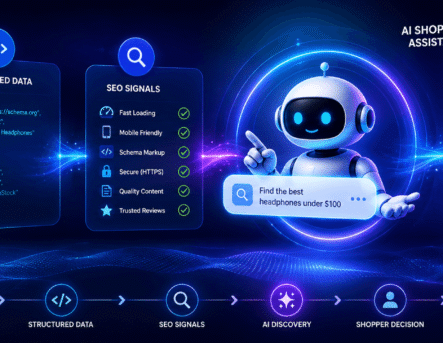
This means Google now evaluates content quality, brand trust, topic authority, user experience, real expertise, semantic relevance, website performance, structured data, and content clarity.
In simple words, websites must become highly understandable for both humans and AI systems.
Why Traditional SEO Alone Is No Longer Enough
For years, SEO focused heavily on keywords, backlinks, metadata, link building, and exact-match optimization. While these still matter, AI search introduces a new layer.
Google now tries to understand which brand is trustworthy, which content provides the clearest answer, which website demonstrates real expertise, which page gives the best user experience, and which source is most likely to help users.
This is why businesses need a stronger SEO strategy that combines content, performance, user experience, and authority. If your website is built on WordPress, improving structure and performance through professional WordPress website development services can help make your site more search-friendly and conversion-ready.
1. Build Topical Authority Instead of Random Blog Posts
One of the biggest ranking factors in 2026 is topical authority. Google AI prefers websites that deeply cover an entire topic rather than websites publishing random unrelated articles.
For example, instead of writing one blog about Shopify SEO, build a complete content cluster around Shopify SEO, Shopify speed optimization, AI for Shopify, Shopify conversion optimization, Shopify search optimization, Shopify checkout optimization, Shopify AI apps, and Shopify UX improvements.
Best Practice
Use a pillar and cluster strategy. A pillar post covers the main topic in depth, while cluster posts answer related subtopics and link back to the main guide.
Pillar Post Example
The Complete Shopify AI Optimization Guide 2026
Cluster Article Examples
- Best AI Apps for Shopify Stores
- Shopify AI SEO Guide
- AI Product Recommendations for Shopify
- AI Chatbots for Shopify
- Shopify Conversion Optimization Tips
If you are focusing on Shopify growth, you can also create supporting content around Shopify AI optimization to build stronger topical authority.
2. Optimize for AI Overviews
AI Overviews are becoming one of the most important visibility areas in Google. If your content appears in AI-generated summaries, your brand visibility can increase significantly.
Use Clear Headings
Google AI prefers structured content. Use H2 headings, H3 subheadings, bullet points, short paragraphs, and numbered steps.
Answer Questions Directly
Instead of vague introductions, answer user intent quickly. For example, a strong answer would be: to rank in Google AI Mode, websites need strong topical authority, structured content, trust signals, and a helpful user experience.
Add FAQ Sections
FAQs help AI systems extract direct answers from your content. They also improve readability and help users find quick answers without scanning the full article.
3. Improve Website Trust Signals
Trust is becoming a major ranking factor. Google wants to avoid showing misleading or low-quality information in AI-generated answers.
Your website should include strong trust signals such as:
- HTTPS security
- Clear contact page
- About page
- Real business information
- Author profiles
- Testimonials
- Reviews
- Case studies
- Updated content
- Fast website speed
Google AI increasingly favors real businesses over anonymous content farms. A clear brand presence helps users and search engines trust your website.
4. Focus on Human-First Content
Mass-produced robotic AI content is becoming easier for search engines to identify. In 2026, successful content should feel natural, helpful, experience-driven, conversational, insightful, and practical.
Instead of stuffing keywords everywhere, focus on solving real problems. Add examples, insights, comparisons, and practical steps that help your audience make better decisions.
5. Optimize Core Web Vitals
Website speed still matters. A slow website creates poor user experience and can reduce both rankings and conversions.
Important Core Web Vitals include:
- Largest Contentful Paint (LCP)
- Interaction to Next Paint (INP)
- Cumulative Layout Shift (CLS)
Improving these metrics helps users interact with your website faster and more smoothly. For a detailed breakdown, read our Core Web Vitals Optimization Guide 2026.
Ways to Improve Speed
- Use modern image formats
- Optimize fonts
- Reduce unnecessary plugins
- Use CDN and edge caching
- Optimize JavaScript
- Use lazy loading
- Choose high-performance hosting
6. Add Structured Data
Schema helps Google understand your content more clearly. It improves rich snippets, AI understanding, search visibility, product visibility, and FAQ extraction.
Important schema types include:
- Article schema
- FAQ schema
- Organization schema
- Product schema
- Review schema
- Breadcrumb schema
Structured data acts like a guide for AI systems, making it easier for search engines to understand your page purpose and content structure.
7. Create Experience-Based Content
Google increasingly values real-world experience. This is part of E-E-A-T: Experience, Expertise, Authoritativeness, and Trustworthiness.
Instead of generic information, include personal insights, real examples, case studies, screenshots, test results, and comparisons.
For example, instead of simply saying website speed is important, explain how reducing page load time can improve user engagement, product discovery, and conversion rates.
8. Use Conversational SEO
People now search differently. AI-powered search is more conversational, and users often ask complete questions instead of typing short keywords.
Your content should naturally answer conversational queries such as:
- Which eCommerce platform is best for scaling?
- How do I optimize Shopify for AI search?
- What helps websites appear in AI Overviews?
- How can small businesses improve SEO in 2026?
This helps your content match both traditional search queries and AI-driven conversational searches.
9. Build Brand Authority Across Platforms
Google AI doesn’t only analyze your website. It can also evaluate your overall online presence.
This includes LinkedIn, YouTube, reviews, brand mentions, Reddit discussions, community engagement, and social signals.
Brands with strong digital presence often gain better AI visibility because search systems can connect brand mentions, expertise, and trust across different platforms.
10. Update Old Content Regularly
Freshness matters. Google prefers updated and relevant information, especially for fast-changing topics like SEO, AI, web development, and eCommerce.
Instead of publishing endless new posts, improve existing content by updating statistics, screenshots, SEO practices, internal links, FAQs, examples, and meta descriptions.
If you are planning your SEO budget, check our SEO Pricing Guide 2026 to understand what businesses should expect to invest in modern SEO.
Common Mistakes to Avoid in 2026 SEO
Publishing Thin AI Content
Low-quality AI articles without insights are losing visibility. Content should be helpful, specific, and based on real understanding.
Ignoring User Experience
Bad UX reduces engagement and trust. If users leave your website quickly, it can affect performance signals.
Overusing Keywords
Keyword stuffing no longer works. Use keywords naturally and focus on search intent.
Weak Internal Linking
Content clusters require strong internal linking. Internal links help users discover related pages and help search engines understand your site structure.
Slow Mobile Experience
Most users now interact through mobile devices, so mobile speed and usability are essential.
The Future of SEO in the AI Era
SEO is no longer only about ranking pages. It’s about becoming a trusted source that AI systems confidently reference.
The websites that win in 2026 will combine strong branding, helpful content, fast performance, clear expertise, structured information, excellent UX, and topic authority.
Maintaining your website also becomes more important as SEO changes. Regular updates, security checks, backups, and performance improvements can protect your rankings. You can learn more in our Website Maintenance Cost Guide 2026.
Final Thoughts
Google AI Mode is reshaping search. Businesses that adapt early will gain a massive competitive advantage.
Instead of chasing outdated SEO tricks, focus on building authority, creating useful content, improving trust, optimizing user experience, and structuring information clearly.
AI-powered search is only getting bigger, and the brands that prepare today will dominate tomorrow’s rankings.
FAQs
What is Google AI Mode?
Google AI Mode is an AI-powered search experience where Google generates direct answers, summaries, and recommendations using artificial intelligence.
How can I rank in AI Overviews?
To rank in AI Overviews, focus on structured content, topical authority, trust signals, and helpful user-focused information.
Does website speed affect AI rankings?
Yes. Fast-loading websites improve user experience and help Google trust your website more.
Is traditional SEO dead?
No. Traditional SEO still matters, but it must now work alongside AI optimization strategies.
What is the most important ranking factor in 2026?
Trust, topical authority, user experience, and content quality are among the most important ranking factors.