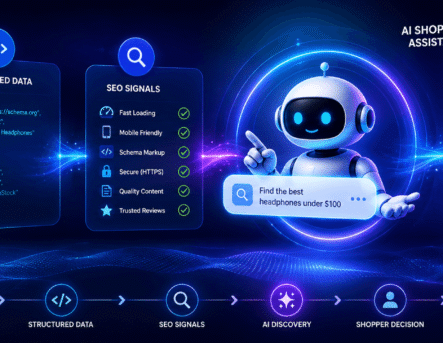
A high-converting ecommerce website is not just a beautiful online store. It is a website that helps visitors understand your brand, explore your products, trust your business, and complete a purchase without confusion.
Many businesses think that ecommerce success depends only on good products or attractive design. Of course, both are important. However, the real difference comes from the complete shopping experience. If the website is slow, difficult to use, or unclear, customers may leave before buying.
Zeroradius helps businesses solve this problem through strategy-led ecommerce development, Shopify development, WooCommerce development, and UI/UX design. Our goal is simple: build ecommerce websites that look professional, work smoothly, and support real business growth.
If you are new to our company, you can first read What Is Zeroradius?. You can also explore why businesses choose Zeroradius for ecommerce development to understand our approach in more detail.
What Makes an Ecommerce Website High-Converting?
A high-converting ecommerce website is designed to encourage users to take action. That action may be buying a product, adding an item to the cart, submitting an enquiry, signing up for updates, or contacting the business.
Conversion does not happen by accident. It happens when the website gives users what they need at the right time. For example, customers need clear product images, useful descriptions, visible pricing, simple navigation, trust signals, and a smooth checkout process.
A visitor may come from Google, Instagram, a paid ad, or a referral link. Once they land on the website, they quickly decide whether to stay or leave. If the website feels slow or confusing, they may exit immediately. On the other hand, if the website feels clear and trustworthy, they are more likely to continue.
This is why high-converting ecommerce websites need more than design. They need proper planning, strong website structure, good UI/UX design, fast performance, mobile responsiveness, and content that helps customers make decisions.
Why Conversion-Focused Ecommerce Development Matters
Many businesses spend money on marketing but still do not get enough sales. One common reason is that the website is not ready to convert visitors. Traffic alone cannot grow a business if users do not trust the website or understand how to buy.
Conversion-focused ecommerce development solves this issue by planning the website around the customer journey. Every section should have a purpose. The homepage should create interest. Category pages should help visitors browse easily. Product pages should answer questions. Finally, the checkout page should make buying simple.
At Zeroradius, ecommerce development is not treated as just a technical task. It is a mix of design, user experience, content structure, website speed, platform selection, and business strategy. This helps create online stores that are easier for customers to use and easier for businesses to manage.
Whether your store is built on Shopify, WooCommerce, BigCommerce, or WordPress, the goal is the same. The website should guide users clearly and help them take the next step with confidence.
Step 1: Understanding the Business First
Before designing or developing an ecommerce website, it is important to understand the business behind it. Every brand has different customers, products, challenges, and goals.
For example, a fashion store may need strong visuals, size guides, product filters, and easy mobile browsing. A technology store may need detailed specifications, comparison sections, FAQs, and strong trust signals. A handmade product brand may need storytelling, emotional design, and a clean product display.
Because of these differences, one design style or one website structure will not work for every business. Zeroradius starts by learning about the brand, target audience, products, competitors, and current website issues.
This discovery stage helps us understand what the website should actually do. Should it increase sales? Improve product discovery? Generate more enquiries? Reduce cart abandonment? Improve mobile shopping? Once the goal is clear, the website can be planned properly.
As a result, the final website is not just visually attractive. It becomes more useful, more practical, and better aligned with the business.
Step 2: Choosing the Right Ecommerce Platform
The ecommerce platform affects how the website works, how easy it is to manage, and how well it can grow in the future. That is why platform selection is an important part of ecommerce development.
Some businesses need a simple and reliable platform. Others need more flexibility and custom features. Zeroradius helps businesses choose the right option based on their budget, product type, business model, and long-term goals.
Shopify for Simple and Reliable Store Management
Shopify is a popular choice for businesses that want an easy-to-manage ecommerce store. It is secure, hosted, and suitable for brands that want to manage products, orders, and payments without handling too much technical complexity.
Zeroradius offers Shopify website development services for businesses that need a professional online store. Our Shopify work can include store setup, theme customization, homepage design, product page design, collection setup, app configuration, payment integration, and mobile optimization.
However, a Shopify store should not depend only on a ready-made theme. To perform well, it needs a clear layout, fast loading speed, strong product pages, and a smooth shopping journey. Therefore, our Shopify development process focuses on both design and conversions.
WooCommerce for Flexible WordPress Ecommerce
WooCommerce is a strong option for businesses that want ecommerce features with WordPress flexibility. It is useful for brands that need custom pages, blog content, landing pages, SEO-focused content, and more control over the website structure.
With WooCommerce, businesses can build a store that fits their exact needs. However, it must be developed carefully. Poor hosting, too many plugins, heavy themes, and unoptimized images can slow down the website.
Zeroradius builds WooCommerce websites with clean structure, responsive design, practical features, and performance in mind. For businesses that want WordPress control and ecommerce functionality together, WooCommerce can be a smart choice.
Shopify and WooCommerce are both useful platforms. The better option depends on the business. For this reason, Zeroradius helps clients compare both before making a decision.
Step 3: Planning a Clear Website Structure
A high-converting ecommerce website should be easy to understand. Visitors should not feel lost when they land on the site. They should quickly know where to go, what to click, and how to find the products they need.
A clear website structure includes well-planned navigation, useful categories, easy product discovery, clean product pages, and a simple checkout flow. When these elements are arranged properly, users can move through the website without friction.
For example, the homepage should introduce the brand and highlight important products or offers. Category pages should help users browse by product type, price, size, style, or other useful filters. Product pages should explain the product clearly. The cart and checkout pages should make the final step simple.
Internal linking also plays an important role. A blog article about ecommerce development can link to your ecommerce development service page. Similarly, a Shopify-related article can link to your Shopify service page. This helps users explore more content and also supports SEO.
In this article, we have linked to related blog posts such as What Is Zeroradius? and Zeroradius Ecommerce Development Services. These links help readers understand the brand and services better.
Step 4: Designing with UI/UX in Mind
UI/UX design is one of the biggest factors in ecommerce success. A website may have great products, but if the design is confusing, users may not continue.
UI design focuses on the visual parts of the website, such as colors, typography, buttons, spacing, icons, product cards, and layouts. UX design focuses on the complete user experience. It looks at how easy and comfortable it is for visitors to move through the website.
Zeroradius includes web design and UI/UX design thinking in every ecommerce development project. We focus on simple layouts, clean navigation, readable content, mobile-friendly design, and clear calls to action.
Good UI/UX design helps customers feel confident. It removes unnecessary confusion and helps users move from browsing to buying. For ecommerce websites, this can directly support better conversions.
For example, a product page should not hide important details. The price, product images, size or variation options, add-to-cart button, delivery details, and return information should be easy to find. Similarly, the checkout page should be simple and distraction-free.
Step 5: Creating Strong Product Pages
Product pages are where many buying decisions happen. A customer may first visit the homepage or a category page, but the product page usually gives them the final confidence to buy.
A strong product page should answer common customer questions. What is the product? What problem does it solve? What are the benefits? What are the features? What is the price? Is it available? What are the shipping and return details?
If this information is missing or difficult to find, users may hesitate. That hesitation can lead to cart abandonment or page exits.
Zeroradius designs product pages that are clear, useful, and conversion-focused. We focus on high-quality product images, simple descriptions, visible pricing, product options, trust signals, reviews, and strong add-to-cart buttons.
At the same time, we avoid overcrowding the page. Too much information in a poor layout can make the page difficult to read. Therefore, the content must be organized in a clean and helpful way.
Step 6: Improving Cart and Checkout Flow
The cart and checkout pages are critical for ecommerce conversions. When a customer reaches this stage, they are already interested. However, they may still leave if the process feels long, unclear, or untrustworthy.
A good checkout experience should feel simple. Customers should know what they are buying, how much they are paying, what delivery options are available, and how many steps are left.
Zeroradius focuses on reducing checkout friction. This can include clear cart summaries, simple form fields, visible shipping details, secure payment options, guest checkout, and trust-building messages.
For Shopify stores, the checkout structure is already strong, but the full shopping journey still matters. For WooCommerce websites, checkout can be customized more deeply. In both cases, the aim is to make the final purchase step easier.
Step 7: Improving Website Speed and Performance
Website speed has a direct impact on ecommerce results. If pages load slowly, visitors may leave before viewing your products. This can reduce sales and also affect the overall user experience.
Performance should not be added at the end of the project. It should be planned from the beginning. That means using clean layouts, optimized images, practical features, and a development structure that does not overload the website.
Shopify websites can become slow when too many apps, scripts, or heavy theme sections are added. WooCommerce websites can become slow because of weak hosting, too many plugins, large images, or poor theme quality.
Zeroradius keeps performance in mind while building ecommerce websites. We aim to create websites that load faster, work smoothly on mobile, and feel reliable for customers.
A faster website can improve user satisfaction. In addition, it can support better SEO performance because search engines prefer websites that offer a good user experience.
Step 8: Building Trust Across the Website
Trust is one of the most important parts of ecommerce. Customers may hesitate to buy from a website if they are unsure about the brand, product quality, payment safety, delivery process, or return policy.
Trust signals help reduce this hesitation. These may include customer reviews, testimonials, secure payment icons, return policy information, delivery details, contact information, guarantees, and professional branding.
However, trust signals should be used naturally. Adding too many badges or icons can make the website look cluttered. A clean and professional layout often builds trust better than an overloaded design.
Zeroradius places trust-building elements where they are most useful. Reviews can work well on product pages. Secure payment details can appear near checkout. Contact information and return policies should be easy to find.
When users feel safe and informed, they are more likely to complete their purchase.
Step 9: Making the Website Mobile-Friendly
Many ecommerce customers browse and shop from mobile phones. Therefore, mobile-friendly design is no longer optional. It is a basic requirement.
A mobile ecommerce website should be easy to browse with one hand. Buttons should be easy to tap. Product images should load properly. Text should be readable. Menus, filters, cart, and checkout fields should work smoothly on smaller screens.
Zeroradius designs ecommerce websites with mobile users in mind. This helps improve the shopping experience and reduces the chance of users leaving because of poor mobile usability.
Mobile experience also supports SEO. Search engines consider mobile usability when evaluating websites. As a result, a responsive ecommerce website can help both users and search visibility.
Step 10: Creating SEO-Friendly Ecommerce Pages
A high-converting ecommerce website should also be SEO-friendly. Good SEO can help businesses attract potential customers through search engines without depending only on paid ads.
SEO-friendly ecommerce development includes clean URLs, proper heading structure, optimized images, fast loading speed, internal links, mobile responsiveness, and useful content.
Blog content can also support ecommerce SEO. For example, articles about Shopify, WooCommerce, UI/UX design, website performance, and ecommerce development can attract relevant visitors. These articles can then link to important service pages and related blog posts.
This is why internal linking is important. It helps search engines understand your website structure. More importantly, it helps readers move from helpful content to relevant services.
For example, a reader learning about high-converting ecommerce websites may also want to explore ecommerce development services, Shopify development services, or web design and UI/UX services.
Step 11: Testing Before Launch
Before launching an ecommerce website, testing is very important. Even small issues can affect sales. A broken button, missing link, poor mobile layout, or checkout error can create frustration for customers.
Zeroradius tests important areas before launch. This includes homepage sections, product pages, category pages, cart flow, checkout steps, forms, menus, mobile responsiveness, browser compatibility, and basic website performance.
Testing helps reduce mistakes and gives the business more confidence before the website goes live. It also helps create a smoother experience for first-time visitors.
Why Businesses Choose Zeroradius for High-Converting Ecommerce Websites
Businesses choose Zeroradius because we focus on practical website solutions. A website should look modern, but it should also support business growth. That is why our ecommerce development process combines strategy, design, technology, performance, and user experience.
Our team understands Shopify, WooCommerce, UI/UX design, website speed, product page structure, checkout flow, and SEO-friendly development. More importantly, we understand that every business needs a different solution.
Some brands need a new Shopify store. Others need a WooCommerce website with more flexibility. Some businesses need better product pages, while others need improved speed, stronger trust signals, or a complete redesign.
Instead of using the same method for every project, Zeroradius studies the problem and builds a solution that fits the business. This makes the website more useful and more prepared for long-term growth.
Final Thoughts
A high-converting ecommerce website is built with purpose. It needs the right platform, clear structure, strong UI/UX design, fast performance, useful product pages, trust signals, mobile responsiveness, SEO-friendly content, and a smooth checkout process.
Zeroradius helps businesses create ecommerce websites that are designed for real results. Whether you need Shopify development, WooCommerce development, UI/UX design, or a complete ecommerce website redesign, our team can help build a website that works better for your customers and your business.
To learn more, visit the Zeroradius homepage. You can also explore our ecommerce development services, Shopify development services, and web design and UI/UX services.
FAQs
What is a high-converting ecommerce website?
A high-converting ecommerce website is an online store designed to turn more visitors into customers. It usually has clear navigation, strong product pages, fast loading speed, simple checkout, trust signals, and good UI/UX design.
How does Zeroradius build high-converting ecommerce websites?
Zeroradius builds high-converting ecommerce websites by combining ecommerce development, Shopify and WooCommerce expertise, UI/UX design, performance optimization, trust-building elements, mobile responsiveness, and SEO-friendly structure.
Does Zeroradius provide Shopify development?
Yes. Zeroradius provides Shopify development services, including store setup, theme customization, product page design, collection setup, app configuration, payment integration, and mobile optimization.
Does Zeroradius provide WooCommerce development?
Yes. Zeroradius builds WooCommerce websites for businesses that want flexible ecommerce solutions with WordPress.
Why is UI/UX design important for ecommerce conversions?
UI/UX design helps customers browse products, understand information, trust the website, and complete purchases more easily. Because of this, good UI/UX design can improve ecommerce conversions.