Introduction
Let’s be honest—running a business in 2026 without AI is no longer just inefficient… it’s risky.
Your competitors are already using AI to:
- Respond to customers instantly
- Generate content at scale
- Personalize user experiences
- Make data-driven decisions in seconds
Meanwhile, businesses that ignore AI are falling behind—not because they lack effort, but because they lack leverage.
This guide is designed to give you that leverage.
Instead of overwhelming you with endless tools, we’ll break down what actually works, why it works, and how you can implement it in your business today.
Why Businesses Are Rapidly Adopting AI in 2026
AI adoption is exploding—and for good reason.
Modern businesses are no longer relying on guesswork. AI allows you to:
- Predict customer behavior
- Automate repetitive tasks
- Optimize marketing campaigns in real time
For example, instead of manually analyzing
customer data, AI tools can instantly identify:
- Which products are likely to sell
- Which customers are ready to buy
- Which campaigns are underperforming
👉 If you haven’t already, check how
AI boosts conversion rates for eCommerce stores
to see how AI directly impacts revenue.
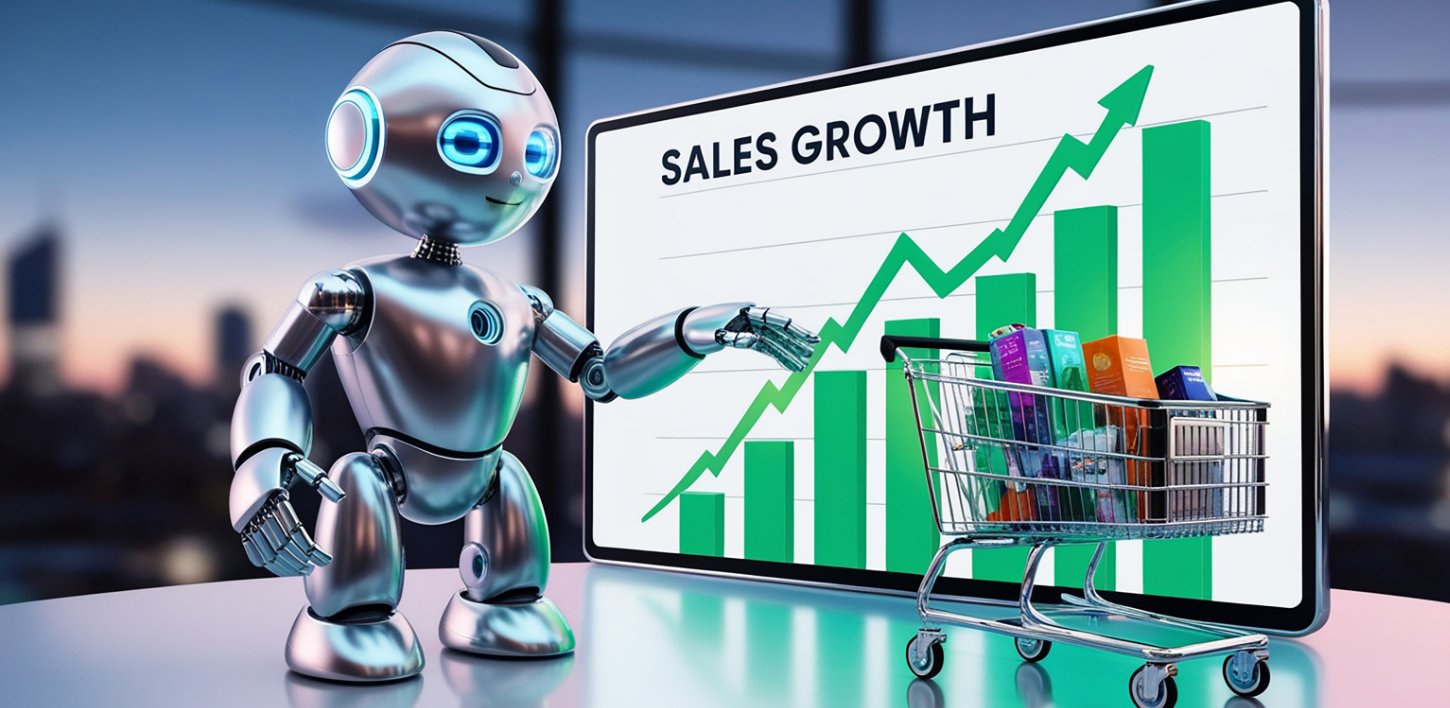
In many cases, businesses report:
- 30–50% increase in conversions
- 40% reduction in manual work
- Faster decision-making cycles
Best AI Tools for Marketing & SEO
1. ChatGPT (Content Creation & Strategy)
ChatGPT is more than just a writing tool—it’s a strategic assistant.
Beyond basic content creation, you can use it to:
- Generate content briefs based on search intent
- Create SEO-optimized outlines
- Rewrite and improve existing content
- Brainstorm campaign ideas
It’s especially powerful when combined with human editing. Instead of replacing writers, it enhances productivity.
👉 Pair it with
AI SEO plugins for WordPress
to ensure your content is fully optimized for search engines.
👉 Learn more:
ChatGPT official page
2. Jasper AI (Conversion Copywriting)
Jasper shines when your goal is conversion—not just content.
It helps you craft messaging that:
- Matches your brand voice
- Appeals to your target audience
- Drives action (clicks, signups, purchases)
For example:
Instead of generic product descriptions, Jasper can generate emotionally compelling copy that increases sales.
👉 Combine this with
AI-optimized eCommerce growth strategies
to maximize results.
👉 Explore:
Jasper AI
3. Surfer SEO (Optimization Tool)
Creating content is only half the job—ranking it is the real challenge.
Surfer SEO uses real-time SERP data to guide your content optimization.
It helps you:
- Use the right keywords naturally
- Structure content for better rankings
- Benchmark against competitors
This removes guesswork and replaces it with data-driven decisions.
👉 Pair with
how to choose the right SEO agency in 2026
to build a strong long-term strategy.
👉 Learn more:
Best AI Tools for eCommerce Growth
4. Shopify Magic
Shopify Magic simplifies complex eCommerce tasks.
Instead of manually managing your store, it helps you:
- Auto-generate product descriptions
- Analyze customer behavior
- Run smart marketing campaigns
This means you can focus more on strategy while AI handles execution.
👉 Dive deeper into
👉Official tool:
5. Klaviyo AI
Email marketing becomes significantly more powerful with AI.
Klaviyo allows you to:
- Send personalized emails at the right time
- Segment customers based on behavior
- Automate entire customer journeys
Instead of sending one generic email, you deliver the right message to the right person.
👉 Explore:
Klaviyo
6. Dynamic Yield
This tool focuses on real-time personalization.
Imagine showing:
- Different products to different users
- Custom offers based on behavior
- Personalized website experiences
That’s what Dynamic Yield enables.
👉Supports strategies from
AI-driven conversion optimization
👉Learn more:
Best AI Tools for Customer Support
7. Intercom AI
Customer expectations have changed—people want instant responses.
Intercom AI helps you:
Automate customer conversations
Resolve common queries instantly
Reduce support workload
This improves both customer satisfaction and operational efficiency.
👉Learn more:
8. Drift AI
Drift goes beyond support—it focuses on lead generation through conversations.It can:
- Qualify leads automatically
- Route users to the right team
- Convert visitors into customers in real time
👉 Implementation guide:
👉Official site:
Best AI Tools for Design & Content
9. Canva AI
Canva AI makes professional design accessible to everyone.You can:
- Generate visuals instantly
- Create branded content
- Design marketing assets without a designer
👉 Explore:
10. Midjourney / DALL·E
These tools unlock creative possibilities.Use them to:
- Generate unique images
- Build brand identity
- Enhance website visuals
👉 Learn more:
👉 Also useful for
Best AI Tools for Automation
11. Zapier AI
Zapier acts like a digital assistant connecting all your tools.
Examples:
- Automatically send leads to CRM
- Trigger emails after purchases
- Sync data across platforms
👉 Explore:
12. Notion AI
Notion AI helps you stay organized and productive.
Use it for:
- Planning projects
- Writing documents
- Managing workflows
👉 Learn more:
How to Choose the Right AI Tools
Choosing tools isn’t about quantity—it’s about alignment.
Ask yourself:
What problem am I solving?
What outcome do I want?
What tools integrate well together?
Start small, measure results, and scale gradually.
Real-World Example
Let’s say you run an online store.
By combining:
- AI chatbot
- Email automation
- Personalized recommendations
You create a system that:
- Engages visitors instantly
- Nurtures leads automatically
- Converts customers efficiently
👉 See how this works in
Conclusion
AI is not just a tool—it’s a growth multiplier.
When used correctly, it allows you to:
- Do more with less effort
- Scale faster than competitors
- Deliver better customer experiences
But success doesn’t come from using every tool.
It comes from using the right tools, in the right way, at the right time.
🚀 Want to Implement AI in Your Business?
👉 Explore our
digital marketing and SEO services
to build a custom AI-powered growth strategy.
1. What are the best AI tools for business in 2026?
2. How can AI tools help small businesses grow?
3. Are AI tools expensive for startups?
4. Which AI tool is best for marketing and SEO?
5. Can AI replace human employees in business?