Choosing the right ecommerce platform is one of the most important decisions for an online business.
A small store may only need a simple product catalog and checkout. But as the business grows, the website needs more than basic selling features. It needs better product management, stronger performance, flexible design, integrations, shipping rules, customer groups, marketing tools, and a smooth buying experience.
This is where BigCommerce becomes a strong option for growing ecommerce businesses.
BigCommerce is built for brands that want flexibility without managing everything from scratch. It gives businesses a hosted ecommerce foundation, while still offering room for custom design, integrations, B2B functionality, multi-storefront experiences, and advanced development work.
But simply choosing BigCommerce is not enough.
The real results depend on how the store is planned, designed, developed, optimized, and maintained.
A well-built BigCommerce store should not only look professional. It should help customers find products easily, understand the value, trust the brand, and complete their purchase without friction.
Why BigCommerce Is Useful for Growing Ecommerce Brands
Many ecommerce businesses start with a simple store. At the beginning, the main goal is to launch quickly and start selling.
But after some time, new challenges appear.
The store may need:
- More product categories
- Better filtering
- Multiple storefronts
- B2B customer groups
- Custom pricing
- Product feeds
- Marketplace integrations
- Advanced shipping rules
- Faster performance
- Better design control
- Improved checkout experience
- Stronger reporting
- Custom frontend experiences
If the platform cannot support growth, the store starts feeling limited.
BigCommerce is useful because it gives businesses a flexible ecommerce structure. It can support both B2C and B2B selling, and it can work for brands that need more than a basic online shop.
For businesses planning a professional online store, Zeroradius provides BigCommerce website development services focused on ecommerce structure, design, performance, and long-term scalability.
BigCommerce Development Is More Than Store Setup
Many people think BigCommerce development means adding products, choosing a theme, and launching the store.
That is only the beginning.
Professional BigCommerce development includes planning the full ecommerce experience.
This may include:
- Store structure planning
- Theme customization
- Product and category setup
- Homepage design
- Product page optimization
- Collection and filter planning
- Checkout improvement
- Shipping and promotion setup
- SEO structure
- Payment integration
- App integration
- Analytics setup
- Performance review
- B2B or wholesale setup
- Multi-storefront planning
A good ecommerce store should be planned around the customer journey.
The customer should be able to land on the website, understand the brand, browse products, compare options, trust the store, and complete the order easily.
If the store is confusing, slow, or poorly structured, even good products may not sell well.
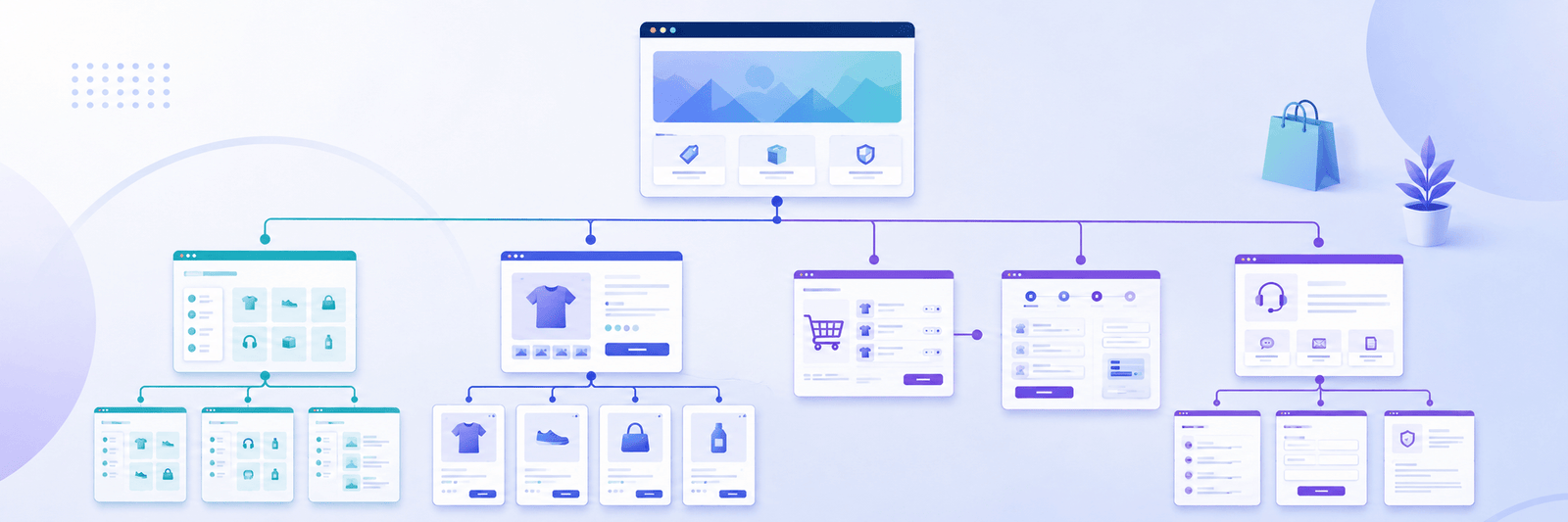
1. Start with the Right Store Structure
Before designing the store, you need a clear structure.
A BigCommerce store should be organized in a way that makes sense to customers.
This includes:
- Main product categories
- Subcategories
- Product filters
- Navigation menu
- Search experience
- Product collections
- Landing pages
- Policy pages
- Blog or content pages
For example, a fashion store may need categories like Men, Women, Accessories, New Arrivals, Sale, and Collections. A B2B store may need product categories based on industry, use case, or buyer type.
The goal is simple: customers should not struggle to find what they need.
Good structure also helps SEO because search engines can better understand what the store sells.
2. Choose the Right Theme and Customize It Properly
BigCommerce themes give the store a visual foundation.
But using a theme without customization can make the store look generic.
A good BigCommerce theme should support:
- Mobile-friendly design
- Fast loading
- Clear product pages
- Strong category layouts
- Easy navigation
- Visual brand consistency
- Flexible content sections
- Conversion-focused CTAs
BigCommerce uses the Stencil theme framework, and store owners can use Page Builder to customize many visual elements such as banners, content blocks, images, buttons, and custom sections.
This is useful for brands that want some control without editing code every time.
But customization should be done carefully.
Adding too many banners, animations, large images, or unnecessary widgets can make the store heavy. A clean ecommerce design usually works better than a cluttered one.
Your theme should support the product, not distract from it.
3. Build Product Pages That Help Customers Decide
The product page is one of the most important pages in an ecommerce store.
This is where customers decide whether to buy or leave.
A strong BigCommerce product page should include:
- Clear product title
- High-quality images
- Product benefits
- Specifications
- Price
- Stock status
- Variant options
- Shipping information
- Return details
- Reviews
- Related products
- Clear add-to-cart button
- Trust signals
Many stores make the mistake of writing very short product descriptions.
For example:
Premium leather wallet available in brown and black.
This does not give enough reason to buy.
A better description would explain the use, material, design, durability, and who the product is suitable for.
Customers need confidence before they buy. Product pages should answer their questions before they ask.
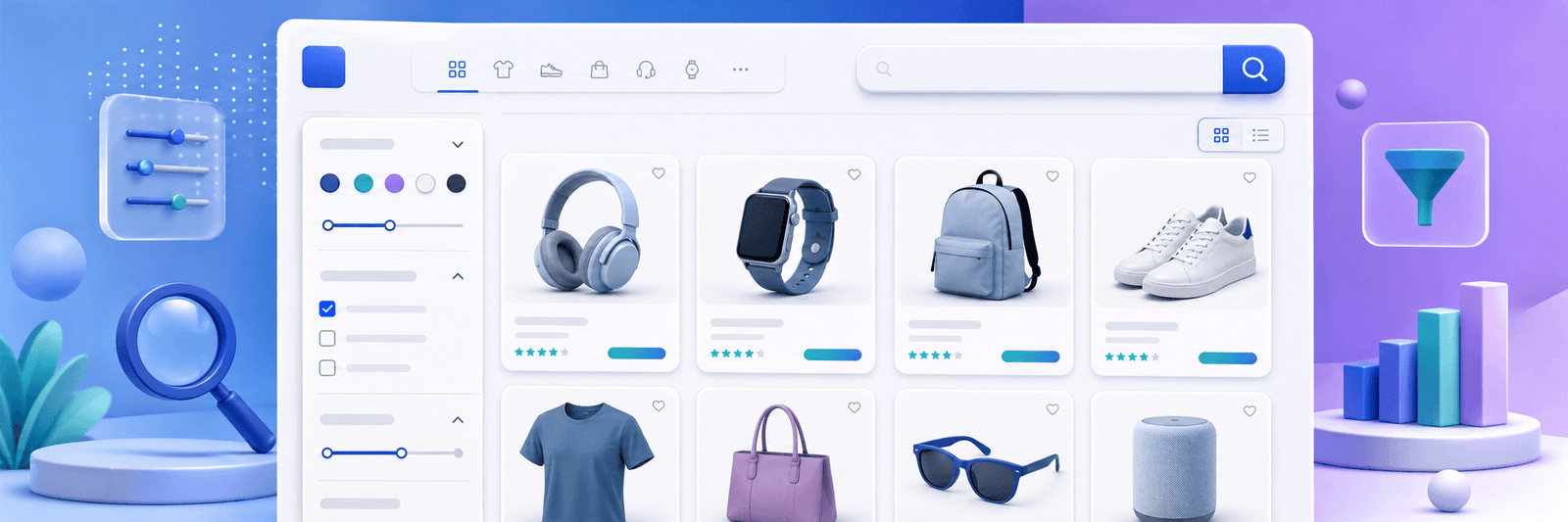
4. Improve Product Search and Filtering
As your store grows, search and filtering become more important.
If a store has only 10 products, customers can browse manually. But if it has hundreds or thousands of products, they need a better way to narrow options.
Useful filters may include:
- Price
- Size
- Color
- Brand
- Material
- Product type
- Availability
- Rating
- Use case
- Compatibility
Filters should be simple and useful. Too many filters can confuse users. Too few filters can make product discovery difficult.
Search should also be reviewed regularly. If customers search for products using different names, your store should still help them find the right items.
Good product discovery can directly improve user experience and sales.
5. Make the Store Fast and Mobile-Friendly
Speed is not just a technical issue. It affects sales.
If an ecommerce store loads slowly, customers may leave before seeing the product.
Mobile experience is equally important because many shoppers browse and buy from phones.
A BigCommerce store should be checked for:
- Image size
- Theme performance
- App usage
- Script loading
- Mobile layout
- Checkout speed
- Product page loading
- Homepage weight
- Core Web Vitals
Avoid using heavy images or too many third-party scripts without a reason.
A fast store feels more professional. It also makes browsing easier, especially for customers on mobile networks.
If you want to understand the business impact of speed, read this Zeroradius article on why website performance matters for ecommerce growth.
6. Use BigCommerce for B2B and Wholesale Selling
BigCommerce can be useful for businesses that sell to both regular customers and wholesale buyers.
B2B ecommerce is different from simple retail ecommerce.
B2B buyers may need:
- Company accounts
- Custom pricing
- Bulk ordering
- Quote requests
- Invoice payments
- Purchase approvals
- Shared shopping lists
- Buyer roles
- Sales representative support
A normal consumer checkout may not be enough for these buyers.
BigCommerce B2B features can support more complex buyer journeys. This is useful for manufacturers, distributors, wholesalers, suppliers, and brands selling to business customers.
But B2B setup should be planned carefully.
The buying process should feel simple for business buyers, even if the backend logic is complex.
7. Plan Shipping, Promotions, and Payments Carefully
Shipping and payment setup can affect conversion.
Customers may leave the checkout if shipping costs appear too late, payment options are limited, or promotion rules are confusing.
A good BigCommerce store should clearly explain:
- Shipping cost
- Delivery time
- Free shipping rules
- Return policy
- Payment methods
- Discount conditions
- Tax information where needed
Shipping should feel predictable.
Promotions should be easy to understand.
Payment should feel safe and familiar.
If you want to explore this more, you can read the Zeroradius article on BigCommerce shipping and promotions.
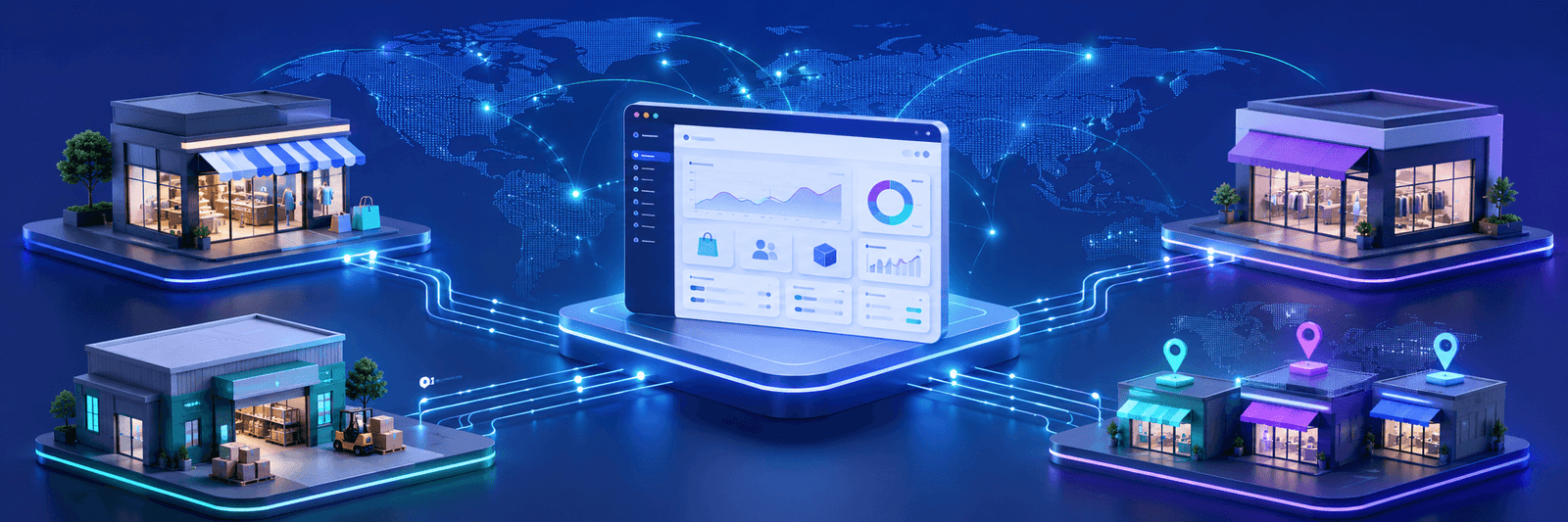
8. Use Multi-Storefront When Your Brand Needs It
Some businesses manage more than one brand, market, region, or customer group.
For example, one business may need:
- A retail storefront
- A wholesale storefront
- A regional storefront
- A brand-specific storefront
- A B2B storefront
- A separate campaign storefront
BigCommerce Multi-Storefront can help businesses manage multiple storefronts from one backend.
This can reduce complexity because teams do not have to manage separate platforms for every storefront.
However, Multi-Storefront should be planned properly.
Each storefront may need its own:
- Design
- Product catalog
- Pricing
- Language
- Currency
- Content
- SEO strategy
- Customer experience
This is helpful for growing brands, but it should not be used without a clear business reason.
9. Consider Headless BigCommerce for Advanced Needs
Some ecommerce brands need more frontend flexibility than a standard theme can provide.
This is where headless commerce can be considered.
In a headless setup, the frontend and backend are separated. BigCommerce can handle ecommerce operations, while the frontend can be built using a different technology stack.
This may be useful for brands that need:
- Highly custom frontend design
- Faster frontend experiences
- Content-rich commerce
- Advanced personalization
- Custom web app features
- Complex integrations
- Better control over user experience
Headless development is powerful, but it is not necessary for every store.
A small or medium store may perform well with a properly customized BigCommerce theme. Headless should be considered when the business has clear technical or experience-based needs.
The decision should be based on goals, budget, team capacity, and long-term growth plans.
10. Do Not Ignore SEO During BigCommerce Development
SEO should be part of the BigCommerce development process from the beginning.
Do not wait until after launch.
Important SEO areas include:
- URL structure
- Category page content
- Product page content
- Meta titles
- Meta descriptions
- Heading structure
- Image alt text
- Internal links
- Blog content
- Structured data where relevant
- Page speed
- Mobile experience
- Canonical settings
- Redirects during migration
If you are migrating from another platform, SEO becomes even more important.
Old URLs may already have rankings or backlinks. If they are changed without proper redirects, organic traffic may drop.
A proper BigCommerce development process should include SEO planning before launch, not after.
11. Connect BigCommerce with the Right Tools
Ecommerce stores often need integrations.
Depending on the business, BigCommerce may need to connect with:
- Payment gateways
- Shipping providers
- ERP systems
- CRM tools
- Email marketing tools
- Product feed tools
- Accounting software
- Inventory systems
- Analytics platforms
- Customer support tools
- Marketplace channels
The right integrations can save time and reduce manual work.
But adding too many tools can also create complexity.
Before adding an integration, ask:
- Does this solve a real problem?
- Will the team actually use it?
- Does it affect performance?
- Is it reliable?
- Does it support growth?
A clean tech stack is better than a crowded one.
12. Keep Improving After Launch
A BigCommerce store should not be treated as finished after launch.
After launch, review:
- Traffic
- Conversion rate
- Cart abandonment
- Top-selling products
- Low-performing products
- Search terms
- Checkout issues
- Mobile behavior
- Page speed
- Customer questions
- Support requests
This data can show what needs improvement.
For example, if customers visit product pages but do not add to cart, the issue may be images, pricing, product copy, reviews, or shipping information.
If customers add to cart but do not complete checkout, the issue may be delivery cost, payment options, trust, or checkout clarity.
Ecommerce growth comes from ongoing improvement.
13. Why Work with a BigCommerce Development Team?
BigCommerce gives businesses a strong platform, but professional planning and development can make a major difference.
A good development team can help with:
- Store planning
- UI/UX design
- Theme customization
- B2B setup
- Product structure
- Speed optimization
- SEO setup
- App integrations
- Migration
- Checkout improvements
- Maintenance
- Conversion strategy
At Zeroradius, ecommerce development is not only about launching a store. It is about building a store that is clear, scalable, and easier for customers to use.
You can learn more about Zeroradius ecommerce services here: Zeroradius ecommerce development services.
Final Thoughts
BigCommerce is a strong ecommerce platform for businesses that want flexibility, scalability, and room to grow.
It can support B2C stores, B2B ecommerce, multi-storefront setups, custom themes, integrations, and advanced development needs.
But success depends on how the store is built.
A good BigCommerce store should be fast, easy to browse, mobile-friendly, SEO-ready, and designed around the customer journey.
It should help customers find products, understand value, trust the brand, and complete orders with confidence.
If your ecommerce business is growing and your current platform feels limited, BigCommerce may be worth considering.
With the right development strategy, it can become more than an online store.
It can become a scalable ecommerce foundation for long-term growth.
FAQ
What is BigCommerce development?
BigCommerce development is the process of building, customizing, optimizing, and maintaining an ecommerce store on the BigCommerce platform. It can include theme customization, product setup, integrations, B2B features, SEO, performance, and checkout improvements.
Is BigCommerce good for growing ecommerce businesses?
Yes. BigCommerce can be a good option for growing ecommerce businesses because it supports scalable ecommerce features, integrations, multi-storefront needs, B2B functionality, and flexible development options.
Can BigCommerce support B2B ecommerce?
Yes. BigCommerce offers B2B functionality that can support company accounts, buyer roles, custom pricing, quotes, invoice payments, and more advanced business buying workflows.
What is BigCommerce Multi-Storefront?
BigCommerce Multi-Storefront allows businesses to manage multiple storefronts from a single backend. This can be useful for brands selling across different regions, customer groups, or business models.
Is BigCommerce better than Shopify?
It depends on the business. Shopify can be simple and popular for many online stores, while BigCommerce may be better for businesses that need stronger built-in flexibility, B2B features, multi-storefront setup, or more advanced ecommerce structure.
Does BigCommerce support headless commerce?
Yes. BigCommerce can support headless commerce, where the frontend and backend are separated. This is useful for businesses that need a highly custom frontend experience.
Why should I hire a BigCommerce development agency?
A BigCommerce development agency can help you plan the store structure, customize the design, improve performance, set up SEO, manage integrations, and create a better shopping experience for customers.