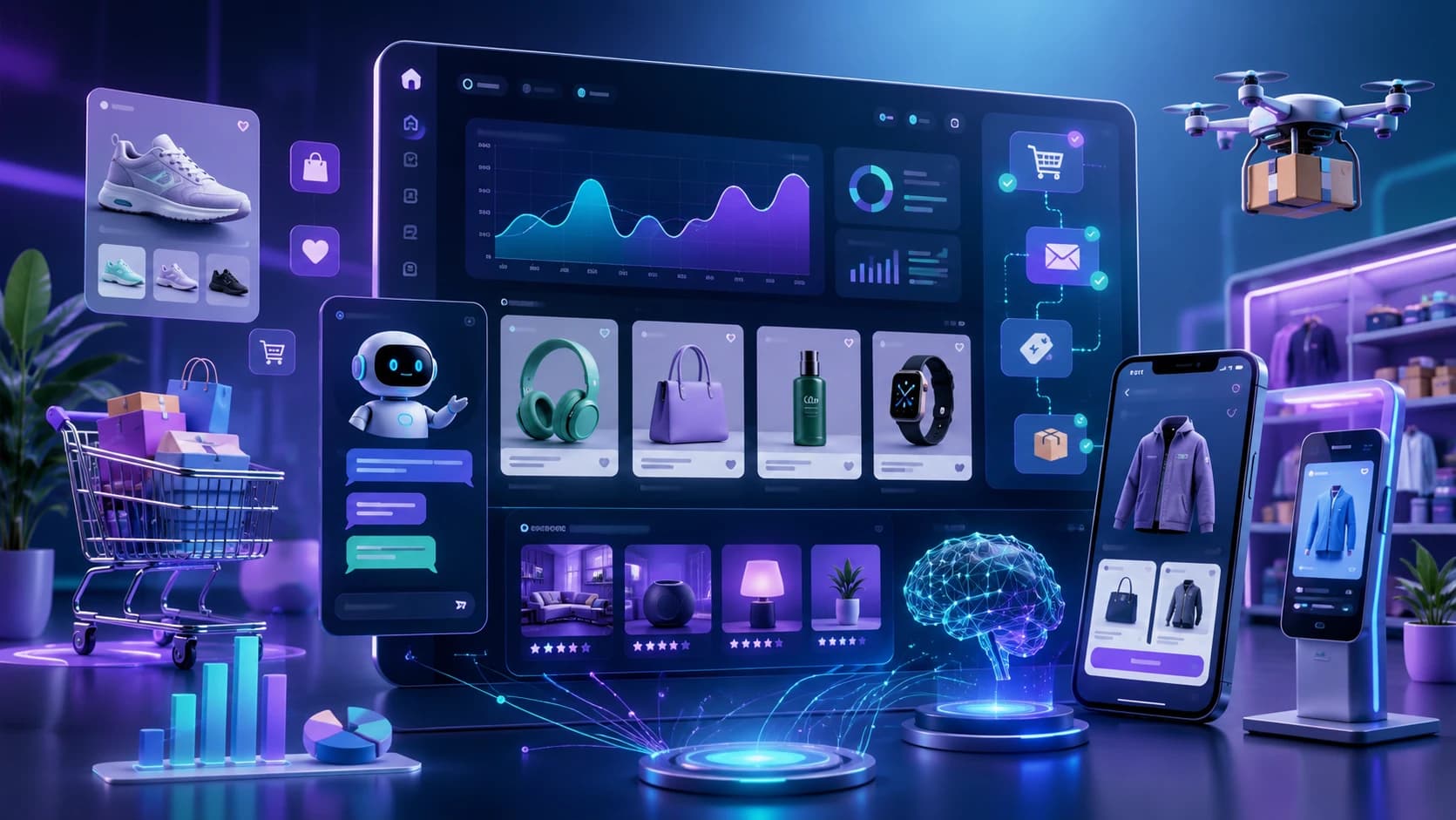
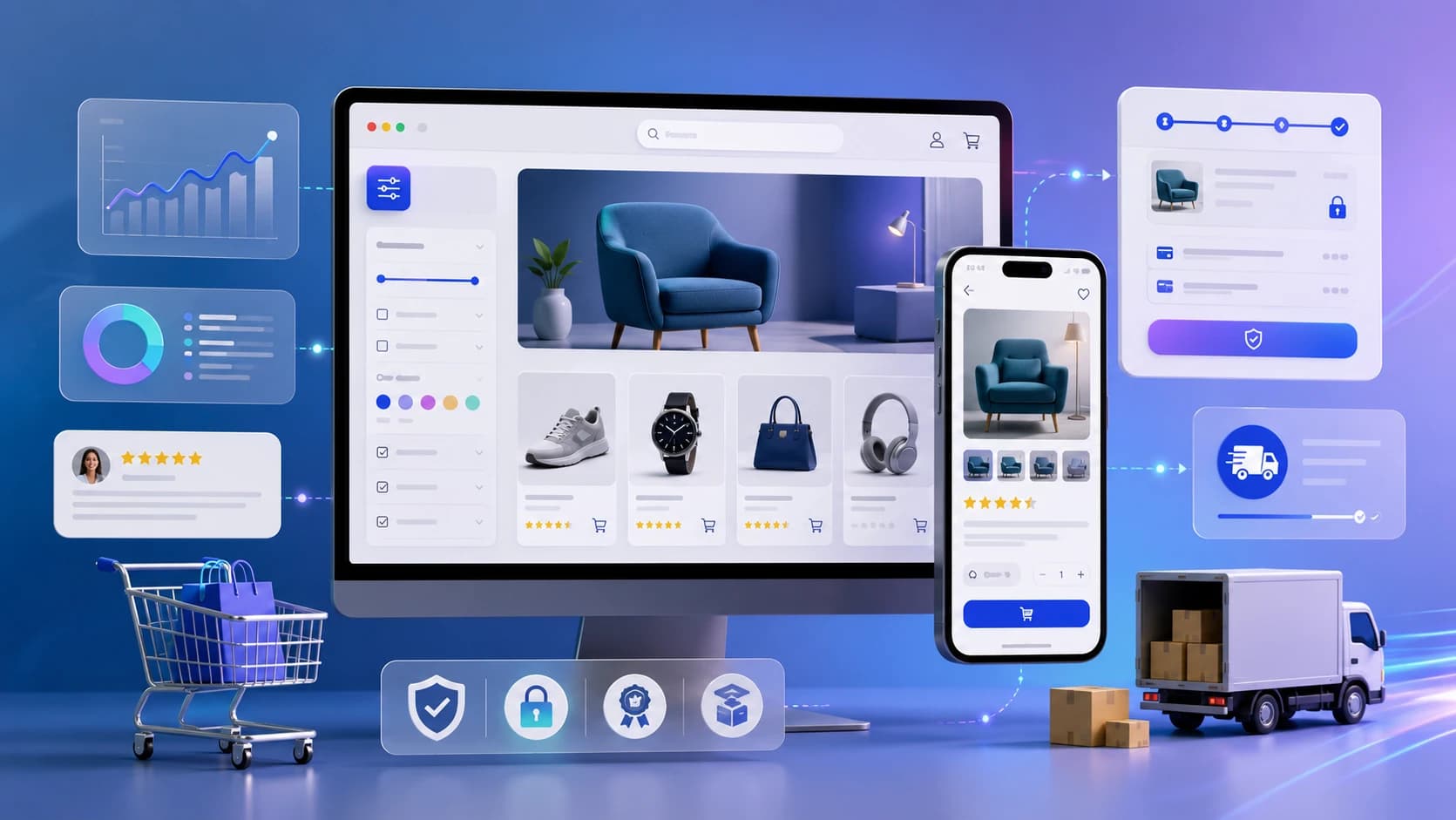
A high-performing online store does not succeed because it has more features than everyone else. It succeeds because the entire experience feels easy, trustworthy, and commercially intelligent. Customers can find what they need, understand what they are buying, and complete a purchase without running into unnecessary friction.
In 2026, that standard is higher than ever. Shoppers expect speed, clarity, mobile comfort, and a level of polish that makes the store feel dependable from the first interaction. The stores that perform best usually get the fundamentals right before they layer on more advanced tactics.
Why Store Quality Matters More Than Ever
Ecommerce has become more crowded, and customers compare brands quickly. A store no longer competes only on products or price. It competes on how it feels to use. If browsing is slow, product pages feel thin, or the checkout introduces uncertainty, the customer has plenty of alternatives.
That is why a strong online store should be treated as a business system rather than a design project. It needs to support discovery, trust, product understanding, and purchase behavior all at once.
The 13 Elements That Matter Most
The best-performing stores usually share the same core building blocks:
- Fast loading speed
- Mobile-first browsing
- Clear product pages
- Simple navigation and search
- Thoughtful personalization
- Strong trust signals
- Easy, secure checkout
- SEO-friendly structure
- Helpful buying content
- Clean UI/UX design
- Accurate product data
- Accessible customer support
- Ongoing tracking and optimization
Performance and Mobile Experience Come First
Speed still shapes first impressions. Customers expect product pages, collections, filters, and checkout screens to respond quickly. When a store feels heavy, users interpret that as friction. In many cases, they simply leave before exploring the product range properly.
Mobile performance matters just as much. A store that works well on desktop but feels awkward on a phone is already underperforming because mobile is where much of ecommerce discovery happens. Responsive layouts, readable content, easy-to-tap buttons, and a stable checkout flow are no longer optional details.
Businesses that need deeper technical help in this area often benefit from stronger development and ecommerce website planning rather than isolated cosmetic changes.
Product Pages and Navigation Carry Conversion Weight
Customers make buying decisions on product pages, so those pages need to answer real questions clearly. Good imagery, practical descriptions, delivery details, return information, reviews, and visible calls to action all matter because they reduce uncertainty. A product page should feel complete, not decorative.
Navigation matters for the same reason. If customers cannot find products quickly, trust starts dropping. Clear categories, sensible filters, strong site search, and a clean browsing rhythm help shoppers stay in the decision process instead of abandoning it.
Trust, Checkout, and Support Influence Revenue More Than Brands Expect
Trust is often the difference between interest and purchase. Stores that surface reviews, policies, contact access, and payment clarity more naturally tend to convert better because they answer hesitation before it becomes abandonment.
Checkout should continue that confidence rather than disrupt it. Shoppers want a fast, simple, and secure process with minimal friction. They should understand payment options, shipping costs, and order details without effort. Good customer support also plays a role here. Even when support is not used, visible access to help makes the business feel more dependable.
SEO, Content, and Product Data Strengthen Long-Term Performance
High-performing stores are not only optimized for immediate conversion. They also create better long-term visibility. Clean SEO structure, readable URLs, internal linking, product schema, and helpful content all make the store easier to discover in search.
Accurate product data matters for both users and search systems. Product names, availability, pricing, specifications, images, and reviews should be complete and up to date. When the information is cleaner, the shopping experience becomes stronger and the site is easier for search engines and AI-driven discovery systems to interpret.
Optimization Never Really Ends
The strongest online stores are not treated as finished once they launch. They are reviewed, measured, and improved continuously. Conversion rates, cart abandonment, page performance, search behavior, and product engagement all reveal where the next gains may come from.
That mindset is what separates stores that stay average from stores that keep improving. A high-performing online store is usually the result of better decisions repeated over time, not one dramatic redesign moment.
Growing an ecommerce business?
Choose the next improvement that moves revenue.
Get help with platform decisions, store UX, performance, content, and conversion-focused ecommerce strategy.
Final Thoughts
In 2026, a strong online store needs more than attractive visuals and good products. It needs speed, mobile usability, clear product information, trust, search readiness, and a shopping flow that feels easy from start to finish.
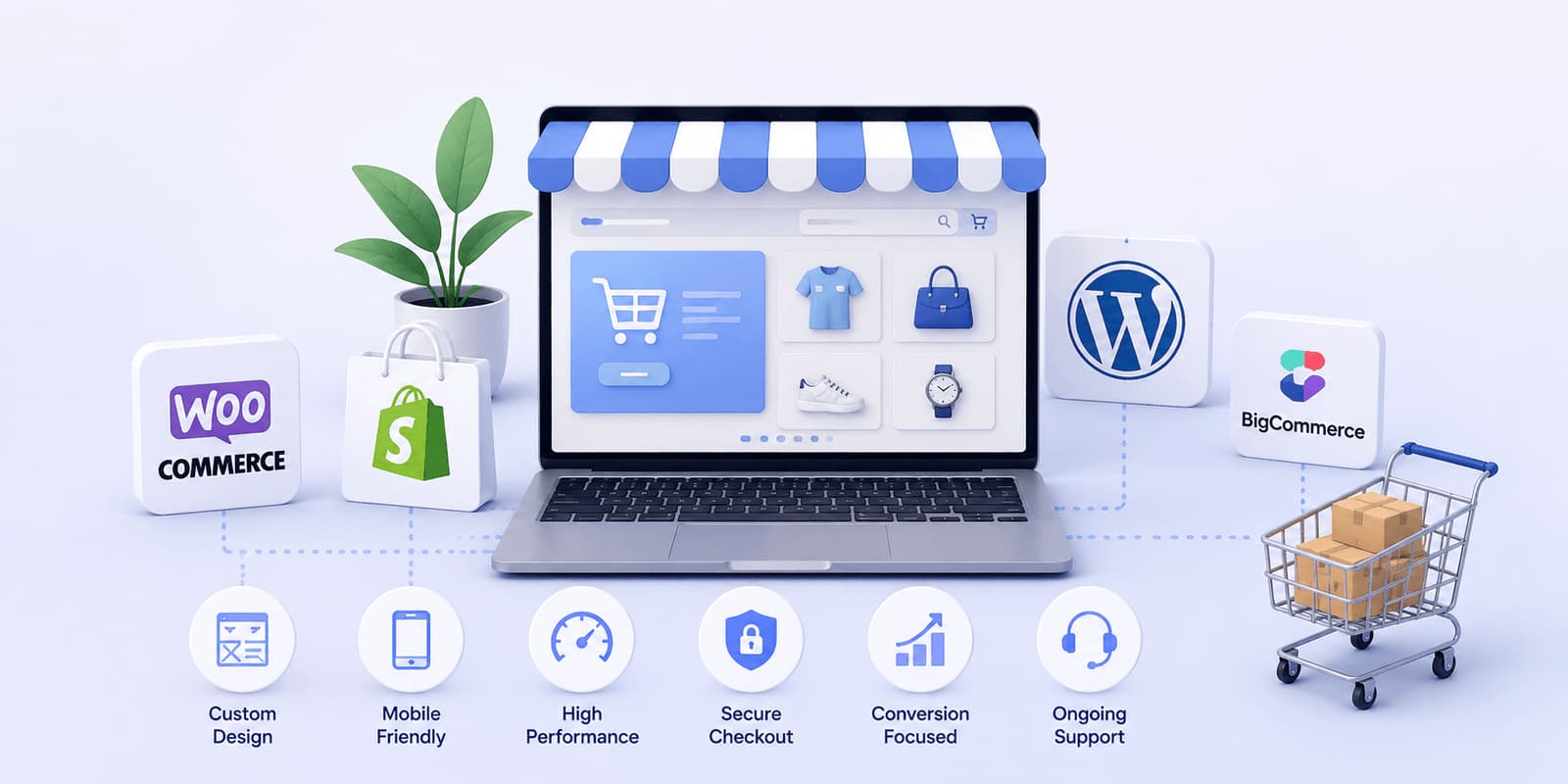
Businesses that get those elements right usually build more than a better-looking website. They build a store that is easier to trust, easier to scale, and more capable of turning attention into revenue. If you want help building that kind of experience, our ecommerce development services, Shopify support, and WooCommerce development services can help.
Have questions?
A high-performing store is fast, mobile-friendly, easy to navigate, trustworthy, and designed to help shoppers move from discovery to purchase with less friction.
Website speed affects first impressions, browsing comfort, and conversion rates. Slow stores lose attention quickly.
It improves readability, navigation, and checkout comfort for the large share of customers who shop on phones.
Reviews, return policies, secure payment clarity, shipping details, contact access, and overall professional presentation are all important trust signals.
SEO helps stores attract customers who are already searching for products or solutions, which makes it one of the strongest long-term traffic channels.
It helps stores show more relevant recommendations, search results, and offers, which can make browsing feel more useful and improve conversions.
Good UI/UX design helps customers understand the store faster, find products more easily, and complete purchases with less confusion.
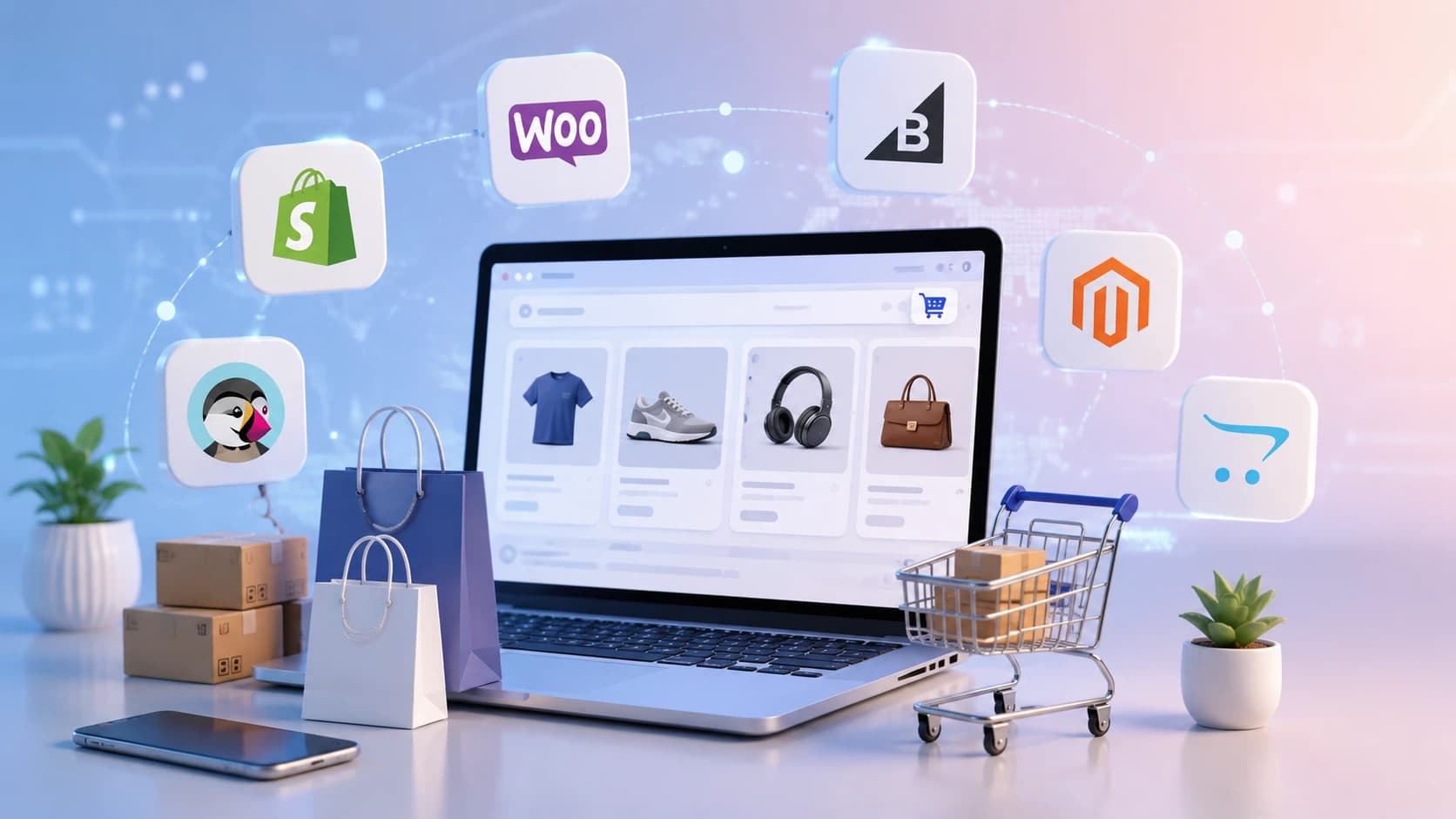
The best platform depends on your business model, content needs, budget, and growth plans. Shopify, WooCommerce, and BigCommerce each fit different situations.