
We analyze your website's current performance using relevant testing and diagnostic tools to identify loading issues, bottlenecks, and optimization opportunities.
Page Speed Optimization
Professional website speed optimization services to improve loading speed, Core Web Vitals, website performance, and the user experience across mobile and desktop.
Why Page Speed Optimization Matters for Your Business
A slow website can create friction before visitors even interact with your content or products. Long loading times can make it harder for users to browse, navigate, and complete important actions.
Website performance can affect the overall experience across mobile and desktop devices. Large images, inefficient code, excessive scripts, caching issues, server response time, and poorly optimized assets can all contribute to slower pages.
At Zeroradius, we approach website speed optimization by first identifying the causes of poor performance and then addressing the relevant technical issues. Our focus is not simply on achieving a higher testing score, but on improving the actual performance and usability of your website.
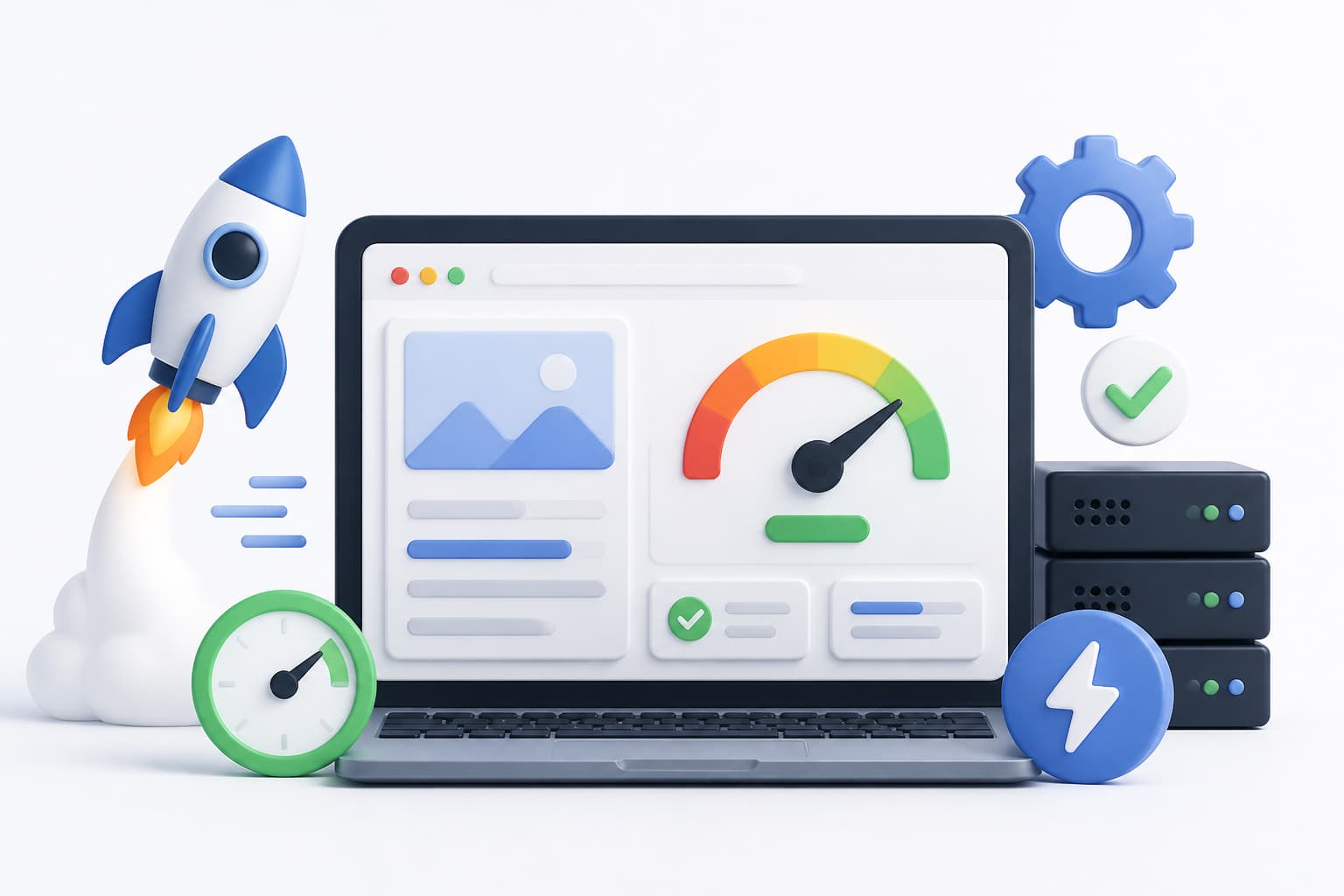
Website support benefits
A slow website can create friction before visitors even interact with your content or products. Long loading times can make it harder for users to browse, navigate, and.
Our Process
We take a structured approach to website performance optimization, from identifying the issues to implementing and validating improvements.
We review page load time, server response, images, scripts, stylesheets, caching, third-party resources, and other technical factors affecting performance.
We identify issues affecting loading performance, responsiveness, and visual stability, then prioritize improvements based on the causes affecting your website.
We optimize CSS, JavaScript, rendering, assets, fonts, and page structure to reduce unnecessary processing and improve rendering speed.
We optimize images and other assets through compression, modern formats, responsive delivery, lazy loading, and other relevant techniques.
We review caching configuration and content delivery opportunities so website resources can be served more efficiently to visitors.
We investigate server response time, database queries, application-level bottlenecks, and other backend factors where they contribute to performance issues.
After improvements are implemented, we test the website again to evaluate performance changes and identify any remaining opportunities.
Work With Zeroradius
Improve Your Website Performance
Whether you are dealing with slow loading pages, weak Core Web Vitals, heavy resource usage, or performance issues that affect usability, Zeroradius can help identify the underlying problems and implement the right optimization measures.
A slow website can create friction before visitors even interact with your content or products. Better performance helps people browse, navigate, and complete important actions with less delay.
Insights
View All Articles
Featured Article
Core Web Vitals Optimization Guide (2026): Improve Speed, Rankings & Conversions
Learn what Core Web Vitals mean in 2026, why they matter for SEO and conversions, and how to improve LCP, INP, and CLS with a practical optimization approach.
Read Article
Why Your WordPress Website Is Slow and How to Fix It in 2026
A practical guide to diagnosing and fixing a slow WordPress website, including the most common causes, what matters most, and how to improve speed without guesswork.


Service Pages or Blog Posts? How to Choose the Right SEO Strategy in 2026
Learn when to create service pages or blog posts for SEO, how each supports search intent, and how to use both in a stronger content strategy.


SEO Pricing in 2026: How Much Does SEO Cost & What Should You Expect?
A practical guide to SEO pricing in 2026, including common pricing models, what drives cost, what different investment levels usually include, and how to judge value more intelligently.

How Local Businesses Can Build a More Trustworthy Website in 2026
A practical guide to building trust on a local business website through clearer content, stronger proof, better usability, and a more credible customer experience.


Website Conversion Case Study: Improving a Service Website Through UX and Performance
See a website conversion case study focused on improving leads through clearer messaging, stronger UX, better calls to action, trust signals, and testing.

Best Performance Optimization Stack for WordPress: CDN, Caching, Edge, and Core Web Vitals
A practical guide to building a strong WordPress performance stack using caching, CDN delivery, edge optimization, image handling, and careful plugin discipline.

Headless WordPress vs Traditional WordPress: Performance Tradeoffs That Actually Matter
A practical comparison of headless WordPress and traditional WordPress, focusing on performance, complexity, cost, editorial workflow, and when each approach makes more sense.

Why Website Performance Matters for Ecommerce Growth
Learn why website performance matters for ecommerce growth, including its impact on search visibility, user experience, conversions, trust, and revenue.
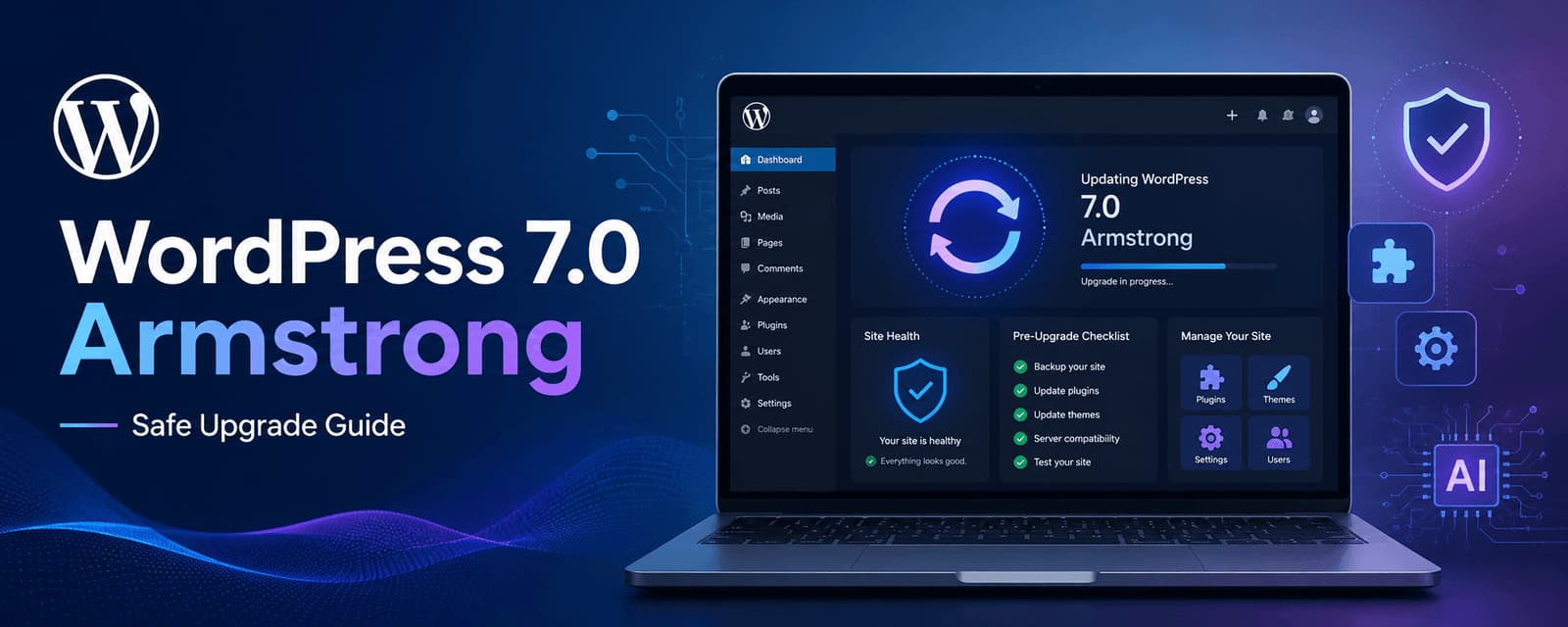
WordPress 7.0 Armstrong Update: What to Check Before Upgrading
Learn what to check before upgrading to WordPress 7.0 Armstrong, including compatibility, backups, performance, plugins, editor changes, and rollout planning.
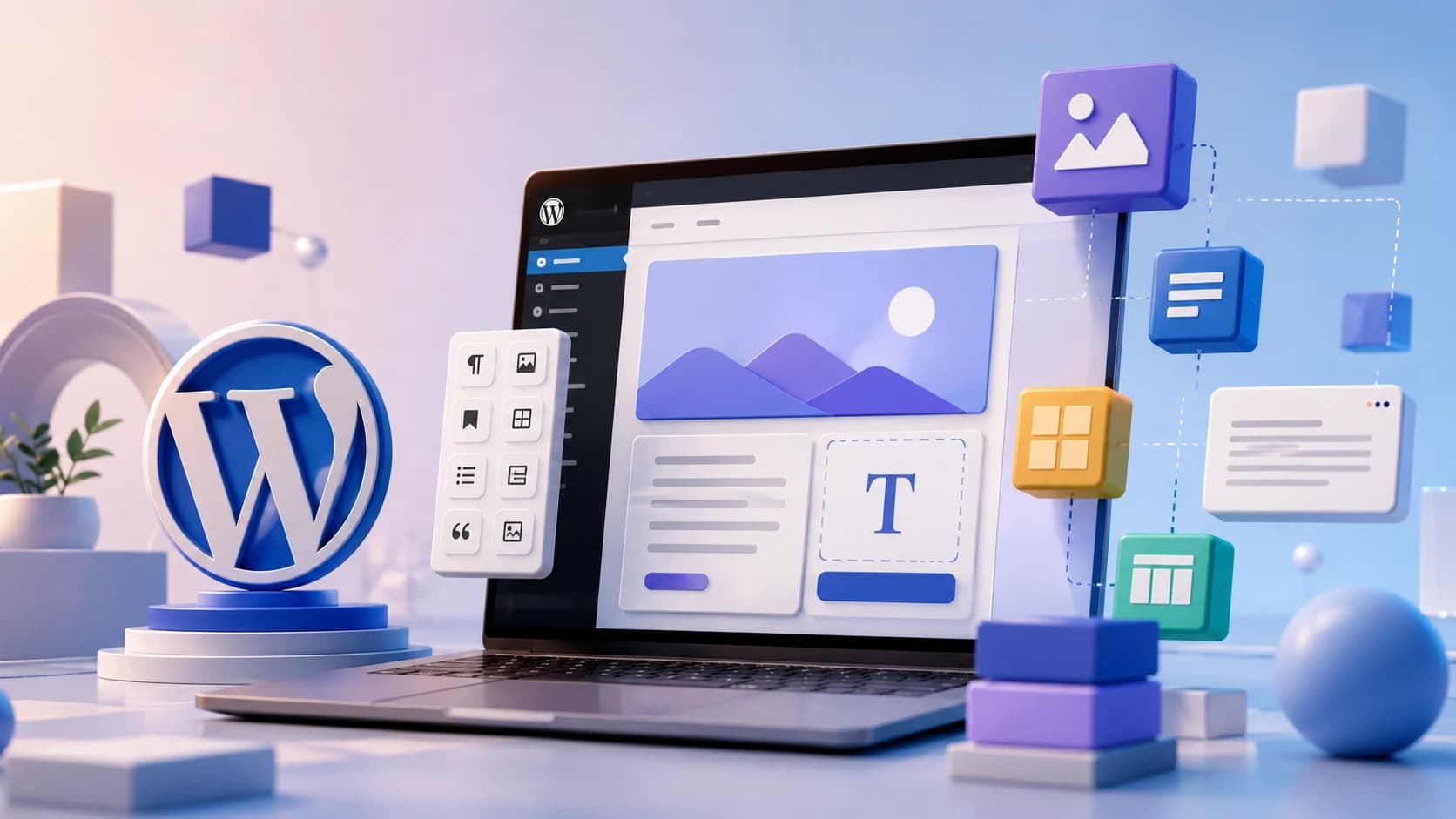
Why WordPress Is Moving Toward Block-Based Architecture in 2026
A practical explanation of why WordPress is moving toward block-based architecture, what that means for performance and editing, and when businesses should consider adopting it.
Frequently Asked Questions
Need a more specific answer? Talk to us and we'll point you in the right direction.
Website speed optimization is the process of identifying and improving technical factors that affect how quickly and efficiently a website loads, renders, and responds to visitors.
A website speed optimization service can include performance analysis, Core Web Vitals optimization, image optimization, code optimization, caching, CDN configuration, server optimization, database optimization, and other relevant performance improvements.
Website performance can be affected by factors such as large images, inefficient code, excessive JavaScript, third-party scripts, plugins, server response time, database queries, caching configuration, hosting, and other technical issues.
We review website performance using relevant diagnostic and testing tools, examining areas such as loading behavior, page rendering, resource usage, server response, Core Web Vitals, images, scripts, and other technical factors.
Yes. We can identify relevant Core Web Vitals issues and implement appropriate technical improvements based on the specific causes affecting your website.
Core Web Vitals are user experience metrics used by Google that focus on aspects of loading performance, responsiveness, and visual stability.
Yes. Image optimization can include compression, appropriate formats, responsive image delivery, image dimensions, and lazy loading where appropriate.
Yes. We can review JavaScript and CSS delivery, minification, unnecessary resources, rendering behavior, and other relevant factors that may affect website performance.
Yes. We can review mobile-specific performance issues, responsive assets, resource delivery, rendering, and other factors affecting performance on mobile devices.
Website performance is one part of the broader technical and page experience environment considered in search. We can address relevant performance issues as part of a technical SEO and website optimization strategy.
A faster and more responsive website can provide a better user experience. The actual effect on conversions depends on the website, audience, business model, implementation, and other factors.
Yes. We can optimize WordPress websites by reviewing themes, plugins, images, caching, scripts, databases, hosting-related factors, and other relevant performance areas.
Yes. We can work with ecommerce platforms including Shopify, WooCommerce, and BigCommerce. The available optimization methods depend on the platform and the specific performance issues involved.
Yes. A performance audit can identify the main technical issues and help determine which optimization opportunities should be prioritized.
The time required depends on the size and complexity of the website, the number of performance issues, the platform, hosting environment, technical architecture, and scope of optimization.
Share your website URL and the performance issues you are experiencing. We can review the requirements and discuss an appropriate website performance optimization approach.
Talk to a performance specialist
Make Your Website Faster
Your website should load efficiently and provide a smoother experience for visitors across devices.
Tell us about your website and the performance issues you are experiencing. We will help identify the technical opportunities that can improve loading speed, responsiveness, and the overall website experience.