WordPress is going through one of the most important architectural changes in its history. The move toward block-based editing is not just a cosmetic redesign of the admin experience. It reflects a deeper shift in how WordPress wants websites to be built, managed, and scaled in the future. For businesses, developers, and content teams, this change matters because it affects performance, editing workflows, theme strategy, and long-term maintainability.
The short version is that WordPress is trying to reduce dependence on older theme structures, shortcode-heavy setups, and increasingly heavy builder workflows. In their place, it is pushing a more modular system where content and layout are assembled through reusable blocks and full-site editing patterns.
What Block-Based Architecture Actually Means
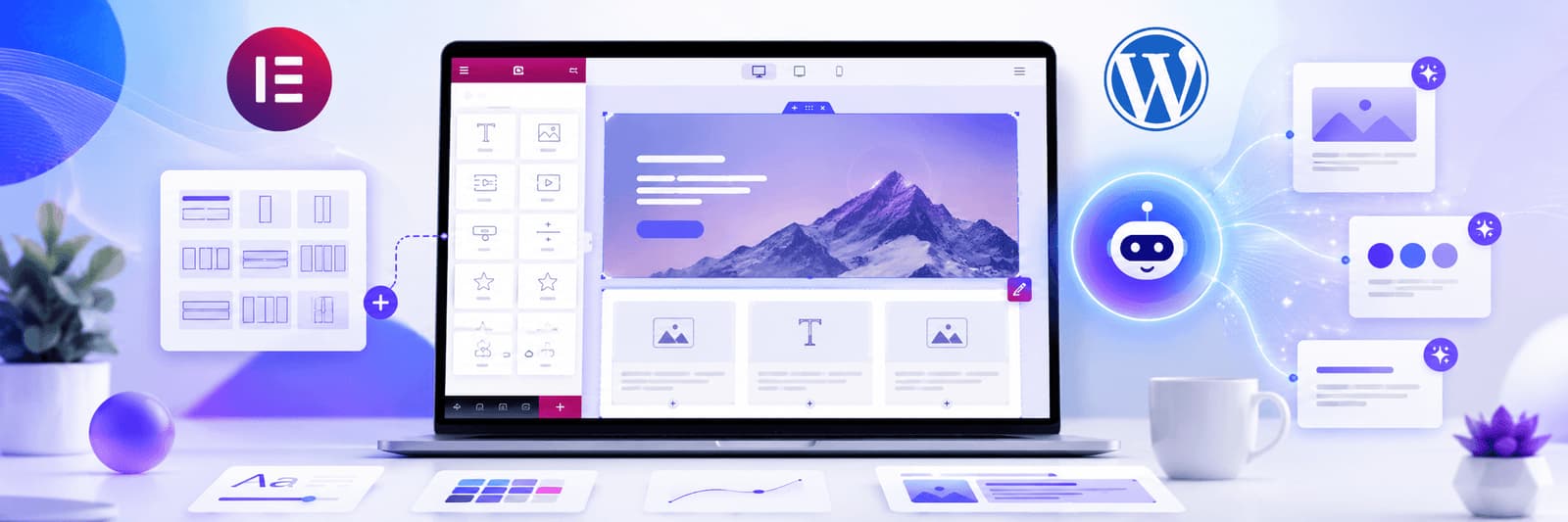
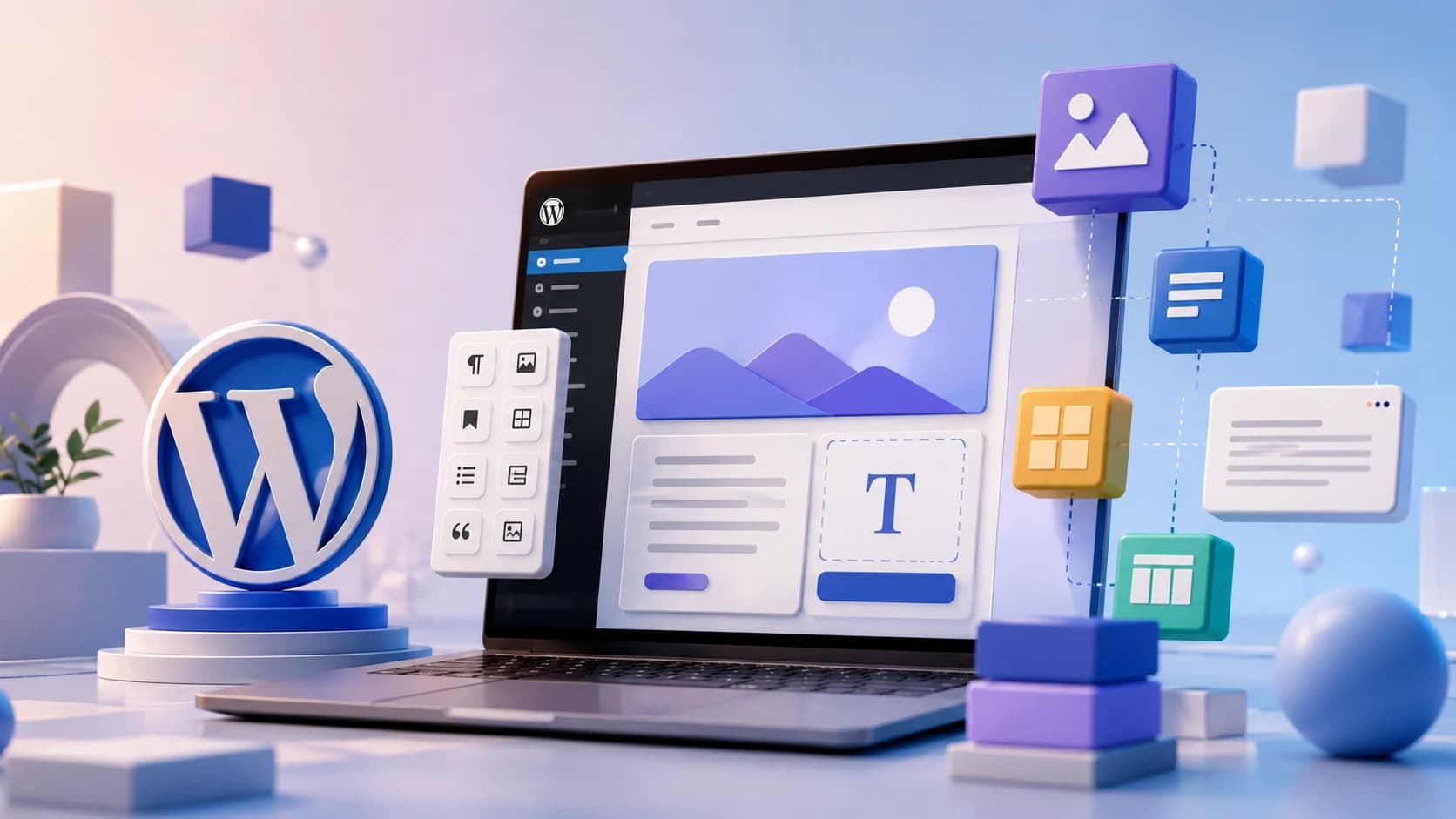
In a block-based WordPress system, individual pieces of a page are treated as modular units rather than hardcoded fragments buried inside a theme template. Text areas, images, buttons, columns, sections, forms, and reusable patterns can all be composed visually as part of a more unified editing model.
That sounds simple on the surface, but it changes a lot. Instead of treating design and content as separate layers that constantly require overrides, WordPress is trying to make the editing experience more native, more flexible, and more maintainable over time.
Why WordPress Is Pushing This Direction
The move toward blocks is happening because older WordPress workflows often created too much friction. Classic themes, shortcode systems, and heavy page builders gave users flexibility, but they also introduced code bloat, fragmented editing experiences, and long-term maintainability issues. Different parts of the site often felt like they belonged to different systems, because in practice they did.
Block-based architecture is WordPress’s attempt to unify that experience. It makes layout editing more native to the platform and reduces the need to stack too many extra layers just to get modern design control.
Performance Is a Major Part of the Shift
Performance is one of the clearest reasons this change matters. Many builder-driven WordPress sites become slow not because WordPress itself is weak, but because the site ends up carrying too much frontend weight. Excess CSS, excessive JavaScript, duplicated layout logic, and plugin-heavy rendering all add up over time.
A well-executed block-based site can reduce some of that weight by relying more on native structures and cleaner output. That does not mean every block-based site is automatically fast, but it does mean the path toward a cleaner performance profile becomes easier to maintain.
Our Core Web Vitals guide and Gutenberg vs Elementor comparison are useful companion reads here.
It Also Changes the Editing Experience
For content teams and business owners, the editing side is often the most visible change. Block-based WordPress makes it easier to work visually without relying as heavily on third-party page builders for every adjustment. Reusable patterns, template parts, and full-site editing controls make more of the site editable in a structured way.
That can be a genuine improvement when the site has been planned well. Editors gain more flexibility, but ideally within a design system that still protects consistency. This is important because total freedom is not always a benefit if it leads to layout drift and brand inconsistency.
Developers Also Benefit From a Cleaner Direction
The block shift is not only for non-technical users. It matters to developers because it points WordPress toward a more modern architecture. As the platform leans further into block themes, patterns, and component-style thinking, development becomes easier to align with maintainable systems rather than one-off template hacks.
That does not mean every team should rewrite everything immediately. It means the strategic direction is clear, and future-ready WordPress planning should take it seriously.
Comparison Snapshot
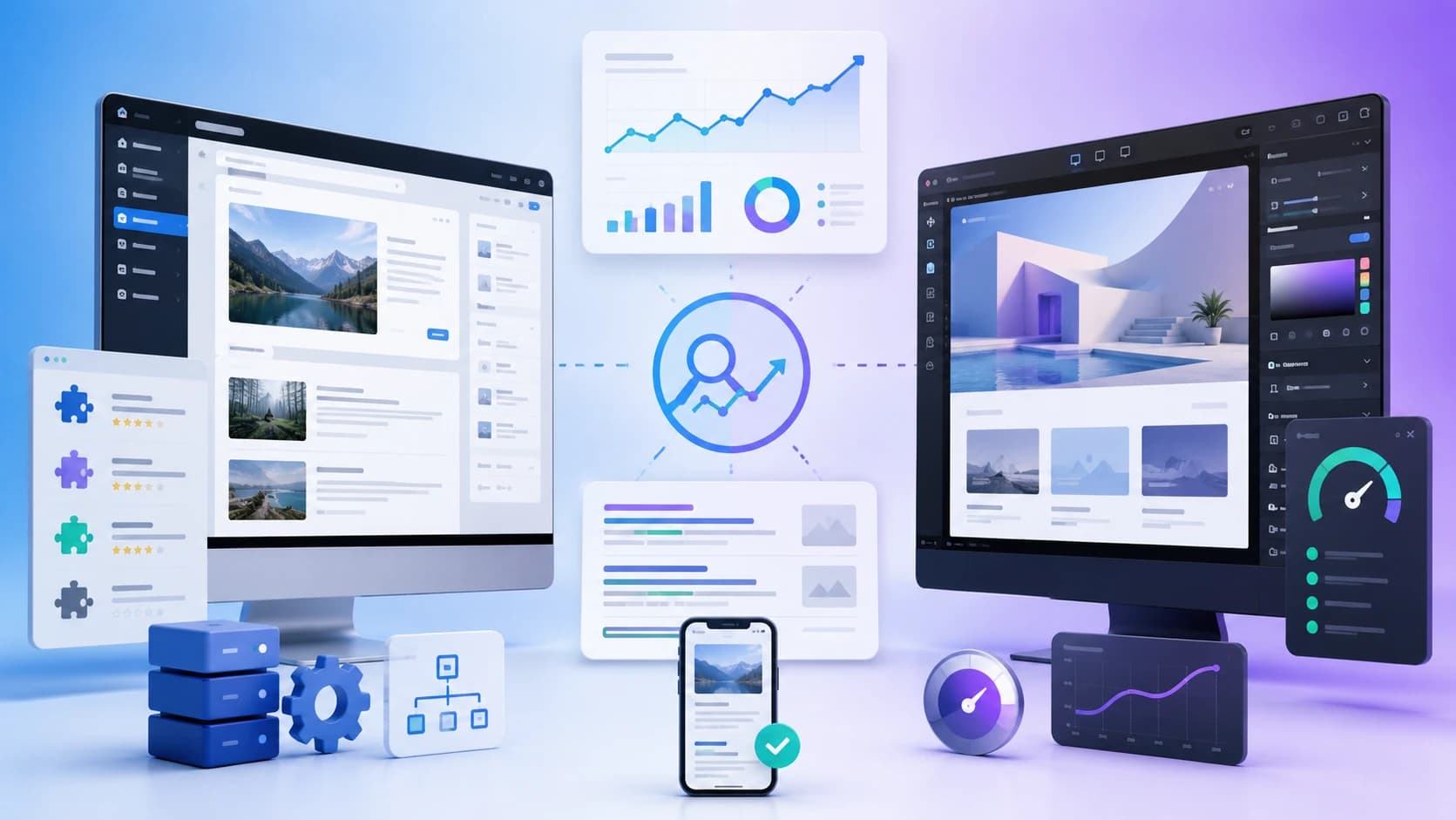
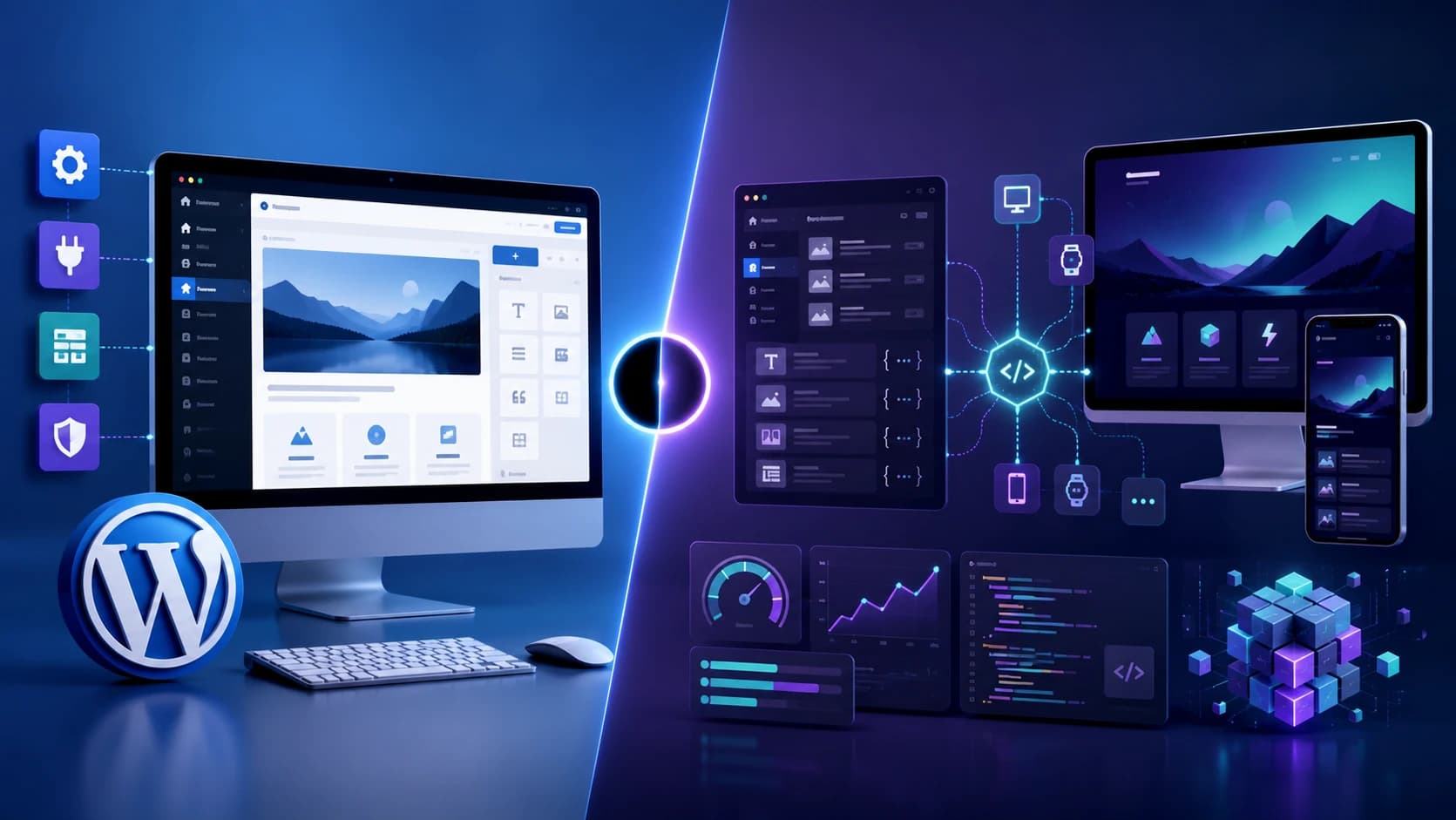
In simple terms, classic themes remain familiar and stable for many legacy websites but offer less native editing flexibility. Heavy page builders often make visual assembly easier for non-technical teams, though they can also introduce more frontend weight and platform lock-in. Block-based WordPress sits in the middle as the more future-facing direction, with cleaner native integration and more modular structure, while still requiring thoughtful planning to use well.
Should Every Business Switch Immediately?
Not necessarily. A stable site does not need to be rebuilt just because WordPress is evolving. If the current website performs well, supports the business properly, and does not create editorial or technical problems, an immediate migration may not be necessary.
But for new builds, redesigns, and future-facing WordPress strategies, block-based architecture deserves serious consideration. It is becoming the more native direction of the platform, and businesses that ignore that trend completely may eventually find themselves maintaining older structures that become harder to justify.
Planning a better WordPress website?
Turn this WordPress insight into a stronger build.
Get help with WordPress strategy, design, performance, content structure, and long-term maintainability.
Final Thoughts
WordPress is moving toward block-based architecture because it wants to become faster, cleaner, and more maintainable while also giving users better native editing control. That makes sense. The old model gave people flexibility, but often at the cost of complexity and frontend weight.
Blocks are not a magic fix, and they still need thoughtful implementation. But they do represent a clearer long-term direction for WordPress than patching older workflows indefinitely. For many modern websites, that direction is worth taking seriously now rather than later.
If you are planning a migration, redesign, or performance-focused rebuild, Zeroradius offers WordPress development and website maintenance services to help support the site properly after launch.
Have questions?
It is a more modular editing approach where pages and templates are built from reusable blocks rather than relying mainly on classic theme structures or shortcode-heavy systems.
It often offers cleaner native integration and better performance potential, though some teams may still prefer builders for specific design workflows.
For new builds and forward-looking redesigns, often yes. For stable older sites, the decision should depend on performance, editing needs, and long-term maintenance goals.