
We review your existing website, platform, hosting environment, content, database, URLs, integrations, functionality, and migration requirements.
Website Migration
Professional website migration services for moving your website, store, data, and URLs to a new platform or environment with structured planning, testing, and SEO awareness.
Why Website Migration Matters for Your Business
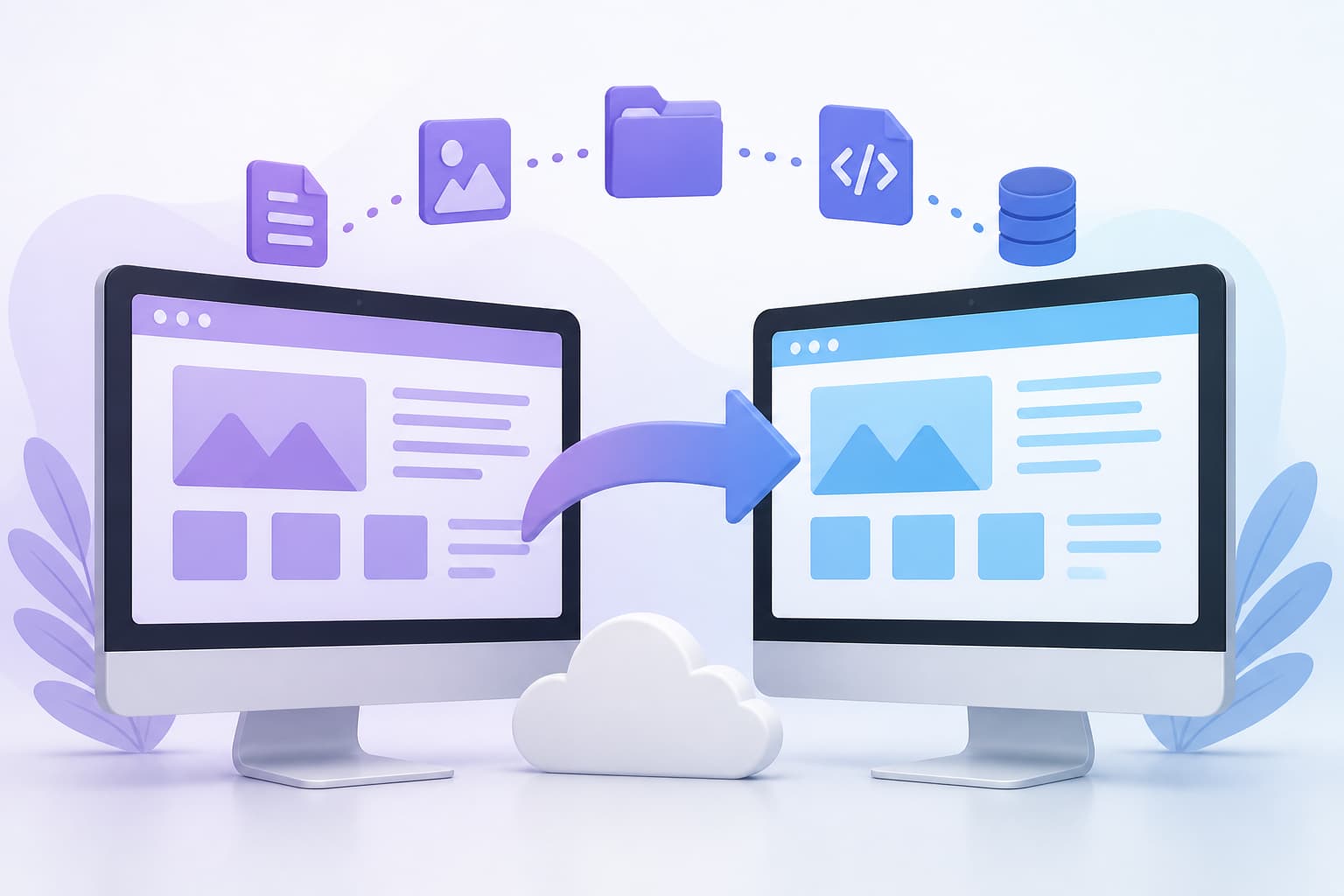
Moving a website is more than transferring files from one server to another.
A migration can involve website content, databases, media, URLs, integrations, functionality, SEO elements, hosting configuration, and other technical components.
Without proper planning, a migration can create broken links, missing content, functionality issues, data problems, performance changes, or unwanted search visibility losses.
At Zeroradius, we approach website migration as a structured technical process. We review the existing website, plan the transition, protect important data, map URLs, test the new environment, and verify the website after launch.
Whether you are changing your CMS, moving hosting providers, upgrading your website infrastructure, or moving to a different ecommerce platform, we help make the transition more organized and controlled.
Website support benefits
Moving a website is more than transferring files from one server to another.
Our Process
We follow a structured migration process designed around your website, platform, data, functionality, and business requirements.
We define the migration scope, required resources, data to be transferred, technical dependencies, URL mapping, redirects, testing requirements, and launch approach.
We create appropriate backups of relevant website files, databases, content, and other important assets before beginning the migration.
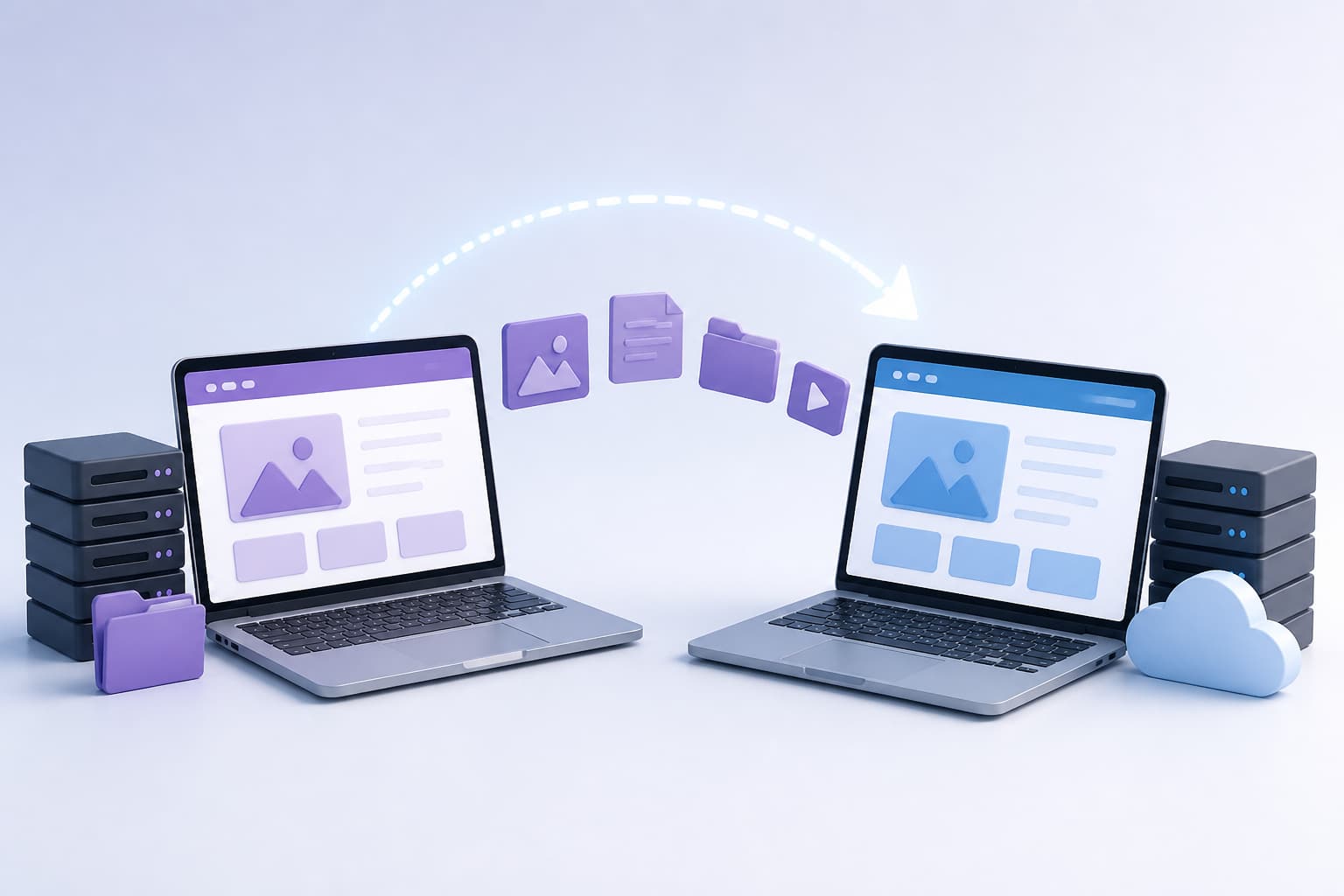
We transfer relevant website data, content, media, databases, configurations, and other required assets to the new environment.
We review existing URLs and implement appropriate URL mapping and redirects to help preserve important links and support search visibility.
We configure the new hosting environment, CMS, ecommerce platform, database, domain, integrations, and other required technical components.
We test pages, forms, links, media, functionality, integrations, responsiveness, performance, redirects, and other important website elements before launch.
We monitor the website after migration, review important functionality and technical elements, and address issues that may appear after launch.
Work With Zeroradius
Move Your Website Without Losing What Matters
Whether you are changing platforms, moving hosting, upgrading your CMS, or migrating an ecommerce store, Zeroradius can help you plan and manage the technical transition with a structured migration process.
A successful migration should protect more than files alone. Your content, data, functionality, URLs, search visibility, and customer experience all need to be considered throughout the transition.
Insights
View All Articles
Featured Article
Why WordPress Is Moving Toward Block-Based Architecture in 2026
A practical explanation of why WordPress is moving toward block-based architecture, what that means for performance and editing, and when businesses should consider adopting it.
Read Article
WordPress 7.0 Armstrong Update: What to Check Before Upgrading
Learn what to check before upgrading to WordPress 7.0 Armstrong, including compatibility, backups, performance, plugins, editor changes, and rollout planning.

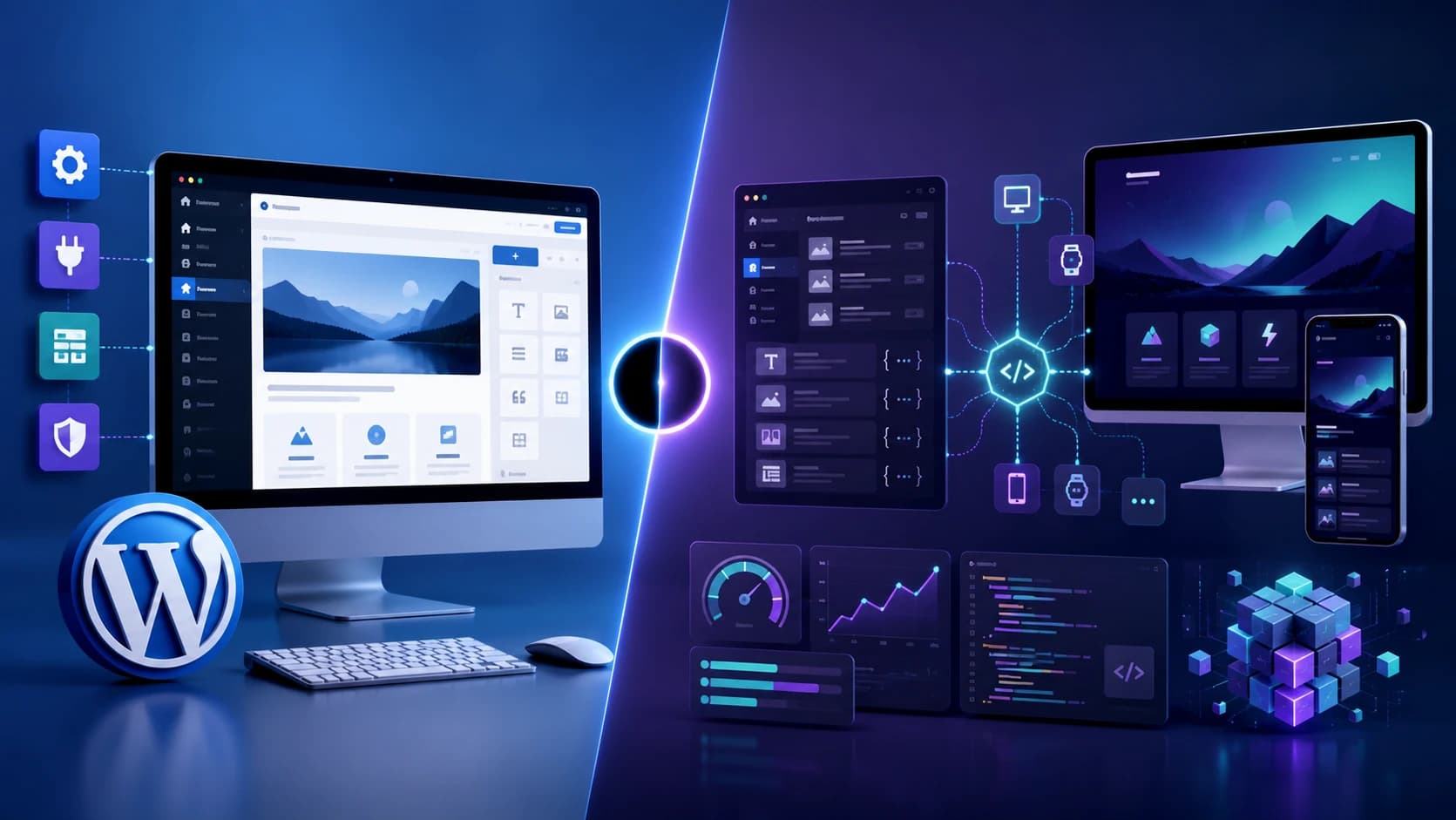
Headless WordPress vs Traditional WordPress: Performance Tradeoffs That Actually Matter
A practical comparison of headless WordPress and traditional WordPress, focusing on performance, complexity, cost, editorial workflow, and when each approach makes more sense.
Website Maintenance Cost in 2026: What You Should Really Expect to Pay
A practical guide to website maintenance cost in 2026, including what is usually included, what changes pricing, and how businesses should think about maintenance budgets.

Why Your WordPress Website Is Slow and How to Fix It in 2026
A practical guide to diagnosing and fixing a slow WordPress website, including the most common causes, what matters most, and how to improve speed without guesswork.

Why WordPress Still Dominates the Web in 2026
A practical look at why WordPress still leads in 2026, from flexibility and SEO strength to ecosystem depth, performance potential, and long-term scalability.
WordPress Core Release Roadmap: What Website Owners Should Know Before the Next Big Update
Review the WordPress core release roadmap and learn how website owners should prepare for updates, compatibility checks, backups, testing, and maintenance.

A Practical WordPress AI Workflow for Faster, Smarter Business Websites
A practical WordPress AI workflow for planning, content, design, SEO, and maintenance, built to help business websites move faster without losing quality or strategic clarity.
WordPress 7.0 Native AI Integration: What Website Owners Should Know
Learn what native AI integration in WordPress 7.0 could mean for website owners, including content workflows, editing, SEO, governance, and practical adoption.
WordPress vs Webflow in 2026: Which Platform Is Better for SEO?
A practical comparison of WordPress and Webflow in 2026, with a focus on SEO flexibility, content growth, performance, workflow, and long-term scalability.

How to Secure Your WordPress Website in 2026
A practical guide to securing a WordPress website in 2026, including updates, backups, plugin discipline, login protection, hosting, and the mistakes that create the most risk.
Frequently Asked Questions
Need a more specific answer? Talk to us and we'll point you in the right direction.
Website migration services involve moving a website from one hosting environment, domain, CMS, platform, or technical infrastructure to another while considering data, content, functionality, URLs, performance, security, and SEO.
A website migration company can assess the existing website, plan the migration, back up data, transfer content and files, configure the new environment, manage redirects, test functionality, and provide post-migration support.
Yes. We can help move a website to a new hosting environment while considering website files, databases, domain configuration, email-related requirements where applicable, performance, security, and functionality.
Yes. CMS migration can involve moving website content, media, databases, URLs, functionality, and other relevant elements to the new content management system.
Yes. Ecommerce migration can involve products, categories, customers, orders, content, URLs, payment functionality, shipping, integrations, and other store-related data and functionality.
Yes. We can migrate WordPress websites between hosting providers, servers, domains, or other environments while considering databases, media, themes, plugins, URLs, and functionality.
Yes. Shopify migration can involve moving relevant store data, products, content, customer information, URLs, and integrations depending on the source and destination platforms.
Yes. WooCommerce migration can involve transferring products, customers, orders, content, media, URLs, and other relevant store data and functionality.
Yes. BigCommerce migration can involve transferring relevant product, customer, content, URL, and ecommerce data depending on the source platform and migration requirements.
A website migration can affect search visibility if important technical and SEO elements are not handled correctly. We consider URL mapping, redirects, crawlability, indexing, metadata, content, internal links, and other relevant SEO factors during migration.
Migration planning can be structured to minimize service disruption. The actual downtime depends on the website architecture, hosting environment, platform, domain configuration, migration scope, and other technical factors.
Yes. Appropriate backups are part of the migration process so that relevant website data and assets have a restoration point before major changes are made.
Where technically possible, existing URLs can be retained. When URLs need to change, we can map the old URLs to their appropriate new destinations and configure redirects.
Yes. We can create and test relevant 301 redirects as part of the URL migration and SEO preservation process.
Discuss your website migration
Plan Your Website Migration
Share your current website, migration goals, platform or hosting change, and any concerns around data, functionality, SEO, or downtime.
We can review the existing setup and help define the right migration approach for your business.