
We review your existing ecommerce platform, store structure, products, customers, orders, content, integrations, SEO requirements, and business goals to define the migration scope.
Ecommerce Migration Services
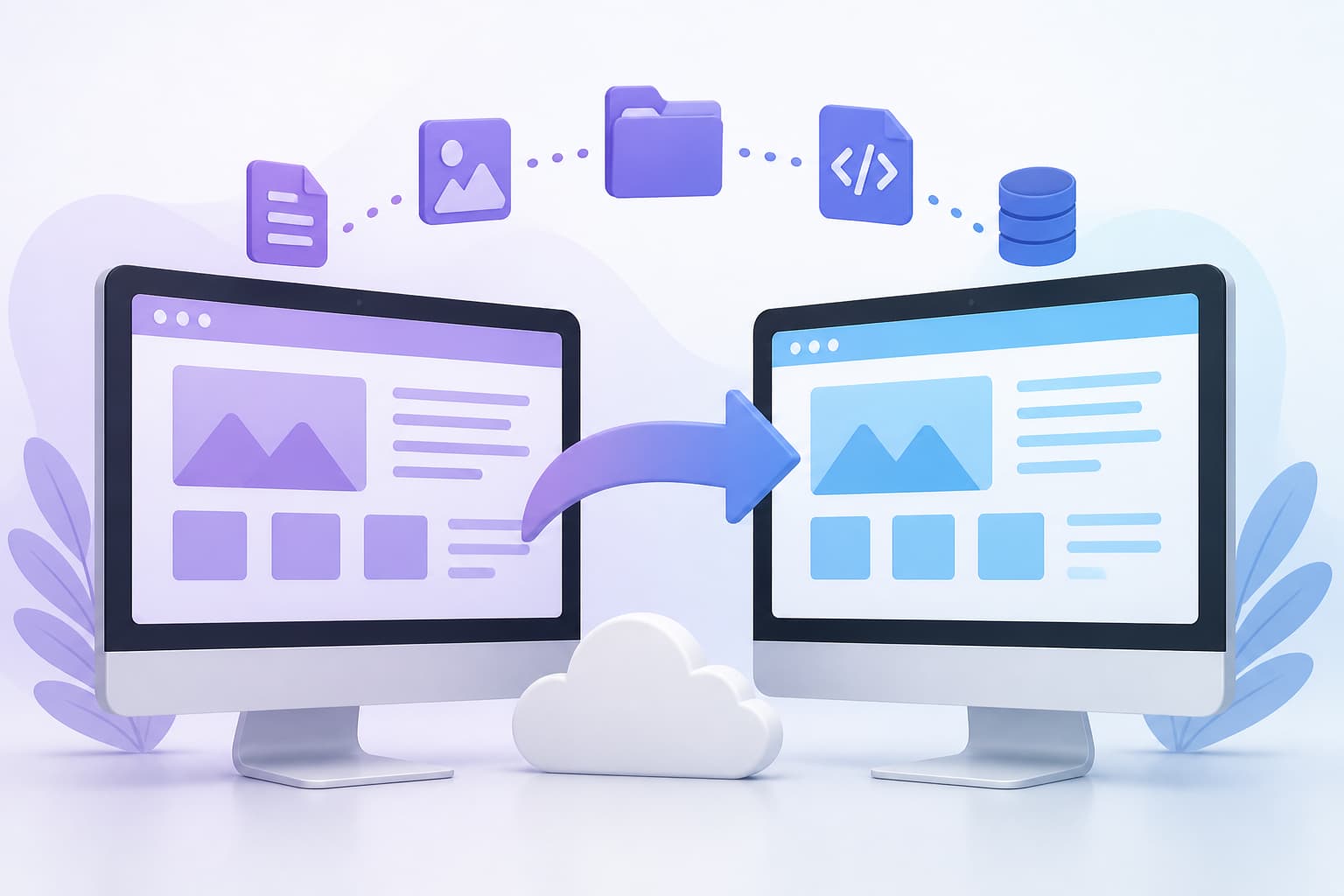
Move your store to a better ecommerce platform with a more structured migration approach built around your products, customers, orders, content, URLs, integrations, and business requirements.
Why Ecommerce Migration Matters for Your Business
Your ecommerce platform influences how your store manages products, customers, orders, content, integrations, and day-to-day operations.
When the current platform no longer fits your requirements, migrating to a more suitable solution can give the business a stronger foundation for growth.
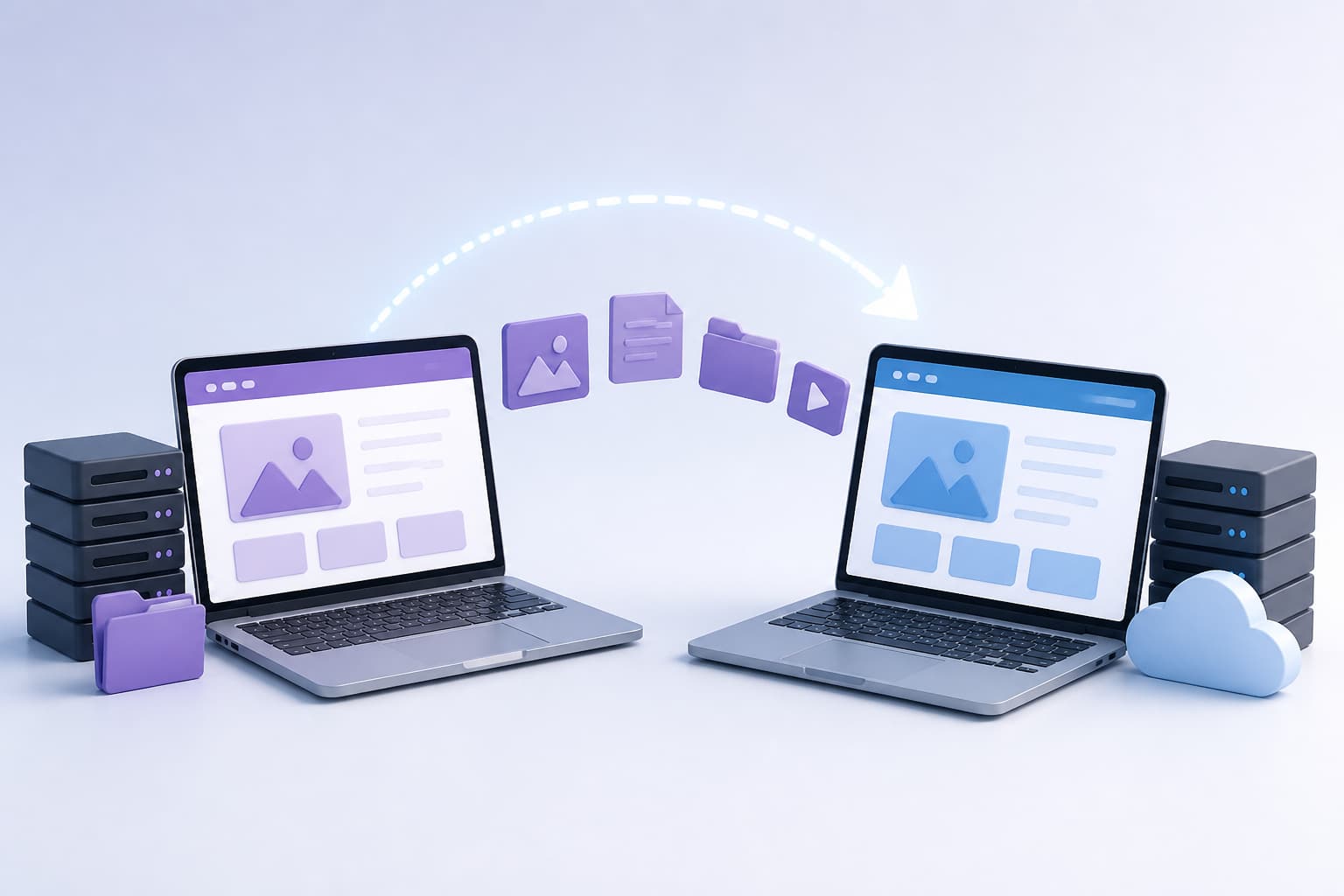
A successful migration involves more than moving data. Product structures, customer records, order history, URLs, metadata, integrations, payment workflows, and other store components need to be assessed and mapped before the new environment goes live.
Zeroradius helps businesses approach ecommerce migration as a structured project, from discovery and planning through data transfer, validation, testing, and launch support.
Technology benefits
Your ecommerce platform influences how your store manages products, customers, orders, content, integrations, and day-to-day operations.
Our Process
We approach ecommerce migration as a structured replatforming process so data, functionality, SEO, validation, and launch planning are handled together rather than as disconnected tasks.
We establish the destination platform structure, migration phases, dependencies, redirect approach, testing plan, and launch requirements before transfer work begins.
We map products, categories, variants, customers, orders, content, media, and other relevant data to the structures supported by the destination platform.
We identify the store features, business rules, payment workflows, shipping requirements, and integrations your current environment depends on and determine how each should be handled after migration.
We execute the migration, transfer the agreed data, configure the destination environment, and prepare the new store structure around the migration plan.
We validate migrated data, URLs, redirects, content, integrations, and important ecommerce workflows before the new platform becomes the live customer-facing store.
We support the final transition, monitor important launch elements, and address migration-related issues or refinements after go-live.
Work With Zeroradius
Move Your Store Without Losing What Matters
Tell us about your current ecommerce platform, the destination platform you are considering, the store data that needs to move, your integrations, and any concerns around SEO, launch risk, or downtime. We can help define the right ecommerce migration approach for your business.
Migrating an ecommerce store affects more than products and categories alone. Customer data, order history, content, URLs, metadata, integrations, and customer-facing workflows all need to be reviewed before the destination platform goes live.
Insights
View All Articles
Featured Article
BigCommerce Development Services by Zeroradius
Explore BigCommerce development services from Zeroradius, including storefront UX, custom development, integrations, migration, SEO, and performance support.
Read Article
WooCommerce Development Services by Zeroradius
Explore WooCommerce development services from Zeroradius, including custom stores, theme work, plugin support, integrations, migration, SEO, and maintenance.


Shopify Development Services by Zeroradius
Explore Shopify development services from Zeroradius, including store strategy, theme work, custom features, integrations, speed, SEO, and ongoing support.
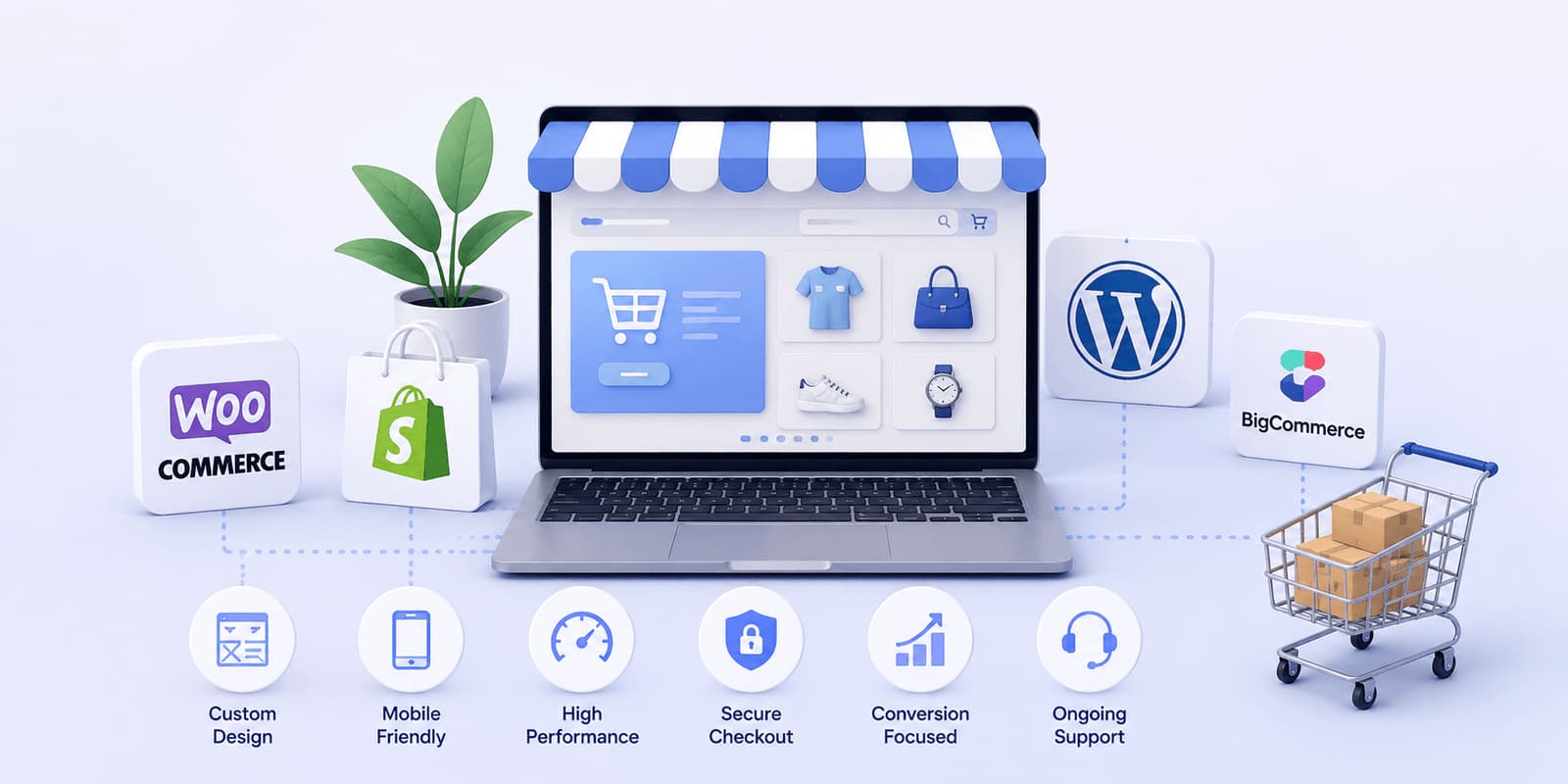
Why Businesses Choose Zeroradius for Ecommerce Development
Learn why businesses choose Zeroradius for ecommerce development, including strategy, platform selection, UX, custom development, performance, and support.

How Zeroradius Builds High-Converting Ecommerce Websites
See how Zeroradius approaches high-converting ecommerce websites through strategy, UX, performance, platform decisions, and continuous improvement.

Best Ecommerce Platforms Used by Ecommerce Development Companies in 2026
Compare the ecommerce platforms development companies use in 2026, including Shopify, WooCommerce, BigCommerce, headless commerce, and custom builds.

BigCommerce B2B Ecommerce Development Guide
A practical guide to BigCommerce B2B ecommerce development, covering buyer workflows, pricing logic, company accounts, reordering, integrations, and long-term scalability.
BigCommerce Development: How to Build a Scalable Ecommerce Store for Growth
A practical guide to BigCommerce development for growing brands, covering store structure, product pages, performance, B2B needs, SEO, and long-term scalability.

How Shopify AI Helps Online Stores Work Faster and Sell Smarter
A practical guide to how Shopify AI helps with product content, store operations, marketing, SEO, analytics, and conversion improvement without replacing human strategy.

AI Product Descriptions for Shopify: How to Improve Conversions Without Sounding Generic
A practical guide to using AI for Shopify product descriptions in a way that improves SEO, clarity, and conversions without publishing generic or unedited copy.
How AI Can Make WordPress Management More Efficient
A practical guide to using AI in WordPress management for content workflows, maintenance, monitoring, performance, and lead handling without over-automating the site.
Frequently Asked Questions
Need a more specific answer? Talk to us and we'll point you in the right direction.
Ecommerce migration services help businesses move an online store from one ecommerce platform or environment to another. The work can include data migration, platform configuration, URL redirects, integrations, testing, SEO considerations, and launch support.
Depending on the source and destination platforms, migration may include products, categories, variants, customers, orders, images, content, URLs, metadata, and other store information. The exact scope depends on the data structures and capabilities of both platforms.
The migration scope can cover the major components of an ecommerce website, including catalog data, customer information, orders, content, URLs, integrations, and selected functionality. The exact migration plan depends on the existing and destination platforms.
SEO migration can include reviewing existing URLs, mapping old URLs to new destinations, implementing redirects, transferring relevant metadata, checking indexable pages, and validating important search-related elements after migration.
The possibility of minimizing or avoiding customer-facing downtime depends on the platforms, migration approach, store architecture, data volume, and launch strategy. A migration can be planned around staged data transfers and controlled launch activities where the technology permits.
Data preservation depends on the quality of source data, platform compatibility, mapping, transformation, and validation. A structured migration process includes checks to identify missing, duplicated, incorrectly mapped, or incompatible data before launch.
Yes. Ecommerce migrations can be planned between different platforms when the source and destination environments support the required data and functionality. The migration approach needs to be tailored to the specific platforms involved.
Historical order migration depends on the capabilities and data model of the destination platform. Where supported, order information can be mapped and transferred as part of the migration plan.
Existing URLs should be reviewed and mapped to the appropriate destinations on the new store. Redirects can then be implemented where URL structures change, helping customers and search engines reach the corresponding pages.
Migration timelines vary based on the number of products, customers, orders, integrations, content, custom functionality, and the complexity of the source and destination platforms. A realistic timeline can be established after assessing the migration scope.
Custom functionality can be reviewed during the discovery and planning stage to determine whether it can be recreated, replaced, integrated, or adapted to the destination platform.
Start your ecommerce migration project
Ready to Move Your Ecommerce Store?
A better ecommerce platform move starts with a clearer understanding of your current store, destination requirements, and launch priorities.
Share your existing platform, migration goals, products, customers, order history, content, integrations, and SEO considerations. We can help plan and execute a structured ecommerce migration around your business requirements.