
We assess your website's Core Web Vitals and identify issues affecting loading performance, responsiveness, and visual stability.
Core Web Vitals Optimization
Professional Core Web Vitals optimization services to improve loading performance, responsiveness, visual stability, and the overall website experience.
Why Core Web Vitals Optimization Matters for Your Business
Website performance directly affects how visitors experience your pages. Slow-loading content, delayed interactions, and unexpected layout shifts can make it harder for people to navigate, engage, and convert.
Core Web Vitals provide practical signals around loading performance, responsiveness, and visual stability. Improving them usually involves more than running a speed test. It requires identifying the technical causes behind weak performance and addressing them in the right order.
At Zeroradius, our Core Web Vitals optimization services focus on understanding the real performance issues affecting your website and improving the technical areas that contribute to loading speed, responsiveness, and stability across important pages.

Website support benefits
Website performance directly affects how visitors experience your pages. Slow-loading content, delayed interactions, and unexpected layout shifts can make it harder for.
Our Process
We follow a structured performance optimization process, from assessing Core Web Vitals to implementing improvements and validating the outcome.
We analyze website performance to understand where rendering delays, bottlenecks, inefficient resource delivery, and execution issues are occurring.
We identify opportunities to improve page loading across relevant templates, assets, scripts, styles, and technical dependencies.
We review how critical resources are loaded and rendered to improve the delivery of meaningful content and reduce unnecessary delays.
We review stylesheet delivery, critical CSS, unused styles, and other CSS-related factors that may be affecting render performance.
We identify unnecessary or inefficient JavaScript loading and execution that may affect responsiveness, rendering, and interaction performance.
We optimize relevant images, fonts, scripts, and other assets that can contribute to slower page loading or unstable rendering behavior.
After improvements are implemented, we retest the website and review the resulting performance signals to identify any remaining opportunities.

Work With Zeroradius
Improve Your Website Experience
Website performance is more than a single score. If your pages feel slow, unstable, or unresponsive, Zeroradius can help identify the bottlenecks and improve the technical factors affecting Core Web Vitals and overall website speed.
Weak Core Web Vitals can create friction before visitors meaningfully engage with your content. Improving loading performance, responsiveness, and stability helps pages feel more trustworthy and easier to use.
Insights
View All Articles
Featured Article
Core Web Vitals Optimization Guide (2026): Improve Speed, Rankings & Conversions
Learn what Core Web Vitals mean in 2026, why they matter for SEO and conversions, and how to improve LCP, INP, and CLS with a practical optimization approach.
Read Article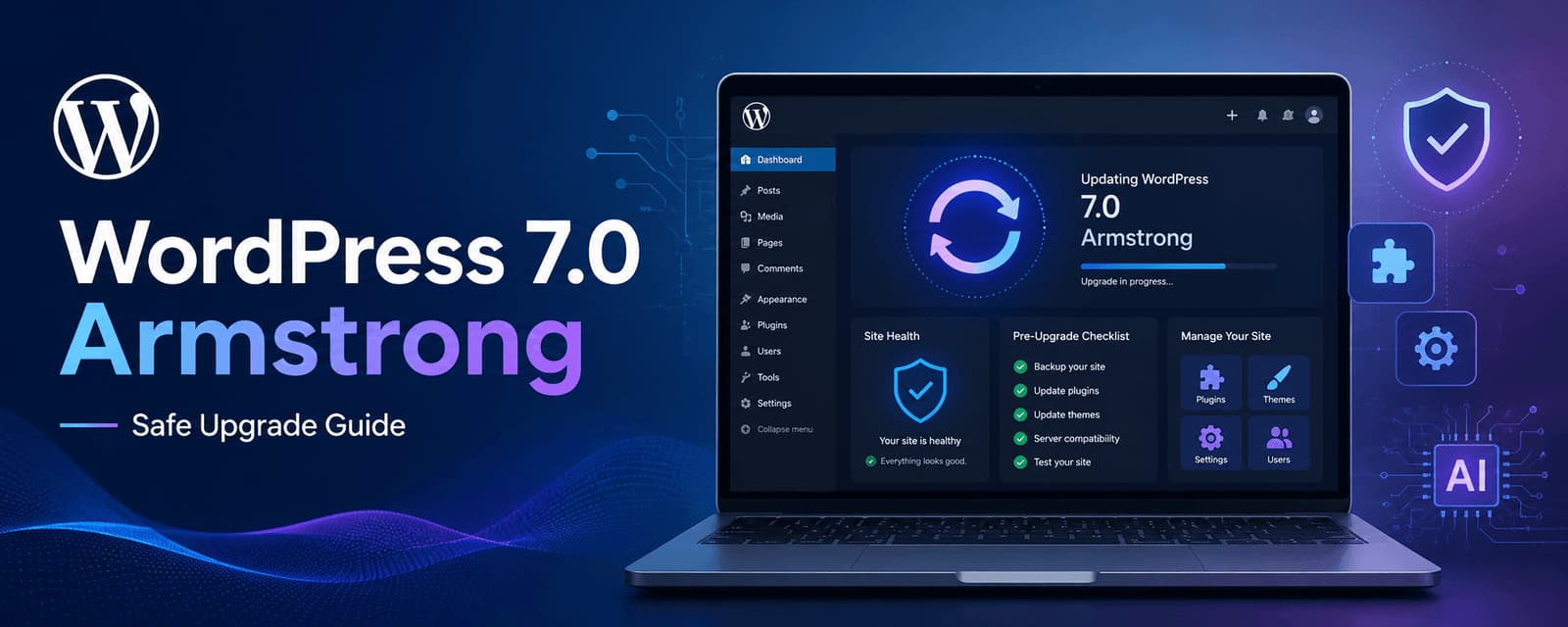
WordPress 7.0 Armstrong Update: What to Check Before Upgrading
Learn what to check before upgrading to WordPress 7.0 Armstrong, including compatibility, backups, performance, plugins, editor changes, and rollout planning.


Best Performance Optimization Stack for WordPress: CDN, Caching, Edge, and Core Web Vitals
A practical guide to building a strong WordPress performance stack using caching, CDN delivery, edge optimization, image handling, and careful plugin discipline.

Google I/O Didn’t End SEO: The Real Risk Is Fewer Website Clicks
Understand why Google I/O did not end SEO, how AI search may reduce clicks, and what businesses can do to protect visibility and qualified traffic.


Conversational SEO in 2026: How to Optimize for AI-Powered Search
Learn how conversational SEO works in 2026 and how to optimize content for natural-language search, AI answers, search intent, and clearer website structure.

AI Content Strategy in 2026: How to Create Content That Actually Ranks
Learn how to build an AI content strategy in 2026 with stronger topic planning, search intent, editorial judgment, internal links, and content quality.

How to Prepare Your Website for Google AI Mode in 2026
Learn how to prepare your website for Google AI Mode with stronger content structure, trust signals, technical SEO, schema, and AI-friendly answers.

Google Spam Update: What It Means for Your Website Rankings
A practical guide to understanding Google spam updates, diagnosing traffic drops, and improving content, technical health, and SEO discipline after ranking volatility.

How to Speed Up Your Shopify Store in 2026
Learn how to speed up a Shopify store in 2026 by improving themes, apps, images, JavaScript, Core Web Vitals, mobile UX, and ongoing performance habits.
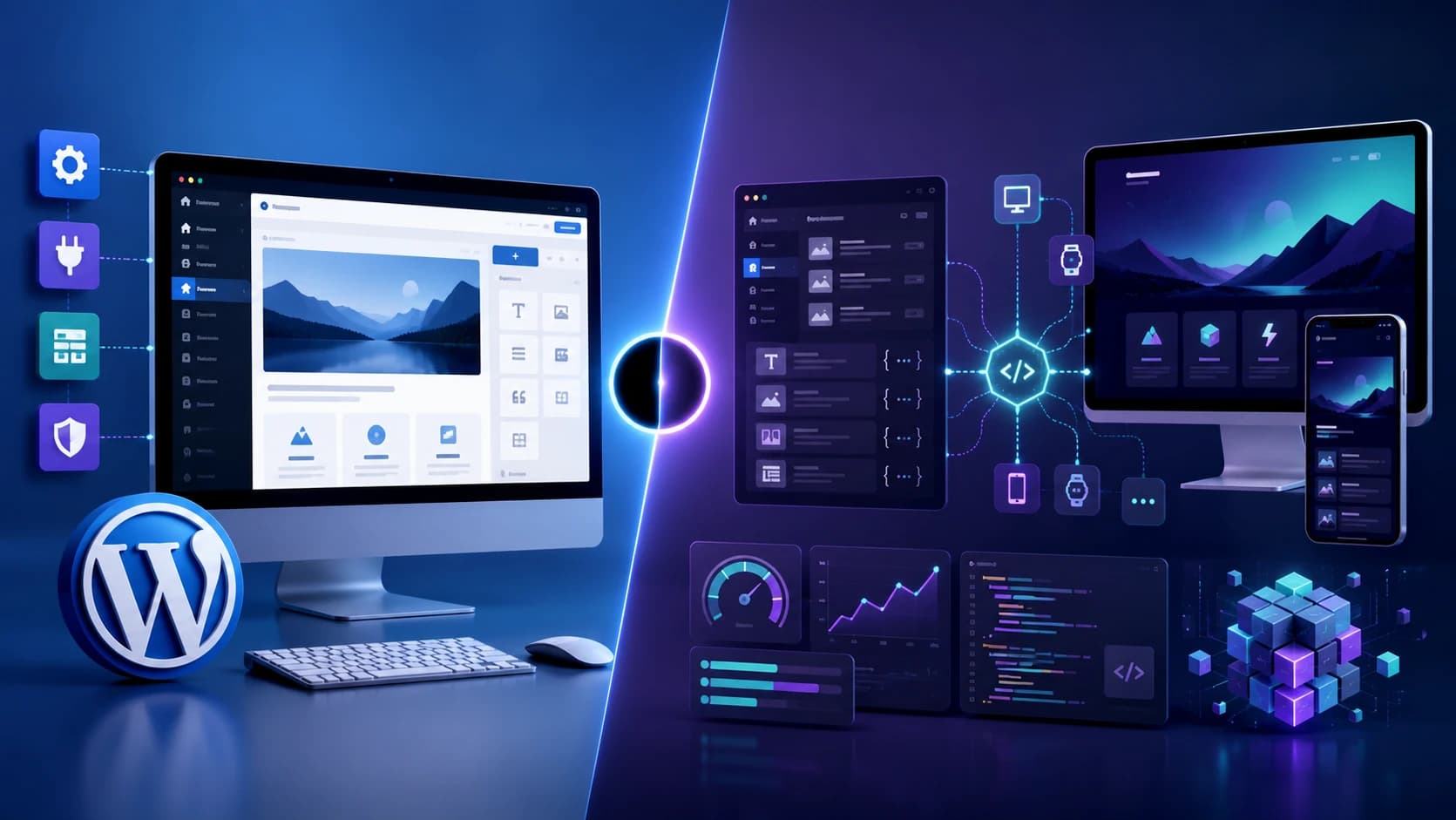
Headless WordPress vs Traditional WordPress: Performance Tradeoffs That Actually Matter
A practical comparison of headless WordPress and traditional WordPress, focusing on performance, complexity, cost, editorial workflow, and when each approach makes more sense.

Why Website Performance Matters for Ecommerce Growth
Learn why website performance matters for ecommerce growth, including its impact on search visibility, user experience, conversions, trust, and revenue.
Frequently Asked Questions
Need a more specific answer? Talk to us and we'll point you in the right direction.
Core Web Vitals optimization focuses on improving the performance signals related to loading speed, responsiveness, and visual stability so your website feels faster and more reliable to visitors.
Core Web Vitals are performance metrics that help evaluate the user experience of a page, especially around how quickly main content loads, how quickly interactions respond, and how stable the layout remains while loading.
A Core Web Vitals optimization service can include performance assessment, page speed analysis, JavaScript optimization, CSS optimization, render-blocking resource review, image and asset optimization, and other technical improvements based on the issues affecting your website.
A Core Web Vitals assessment reviews the metrics, templates, and technical causes affecting loading performance, responsiveness, and visual stability so the right optimization work can be prioritized.
Yes. Core Web Vitals optimization often overlaps with broader website speed improvements, including work on scripts, styles, images, rendering behavior, caching, and server response where relevant.
Largest Contentful Paint measures how long it takes for the largest visible content element to render in the viewport. It is commonly used as a signal of loading performance.
Interaction to Next Paint measures how quickly the page responds visually after a user interaction. It helps indicate how responsive the experience feels.
Cumulative Layout Shift measures unexpected movement of visible content while the page is loading. Lower layout shift generally means a more stable browsing experience.
First Contentful Paint measures when the browser first renders visible content. It helps indicate how quickly users start seeing something useful on the page.
Time to First Byte measures the time between a request being made and the browser receiving the first byte of the response. It can help surface server-side or delivery-related delays.
Render-blocking resources are CSS, JavaScript, or other files that delay the browser from rendering important content. Reviewing how these resources are loaded can help improve perceived performance.
Yes. We can review JavaScript loading, execution, third-party scripts, and other frontend behavior to identify areas that may be affecting responsiveness or rendering performance.
Talk to a performance specialist
Improve Core Web Vitals
Your website should load efficiently, respond smoothly, and remain visually stable while visitors interact with important pages.
Tell us about your website and the performance issues you are seeing. We will help identify the technical opportunities that can improve Core Web Vitals, page speed, and the overall user experience.