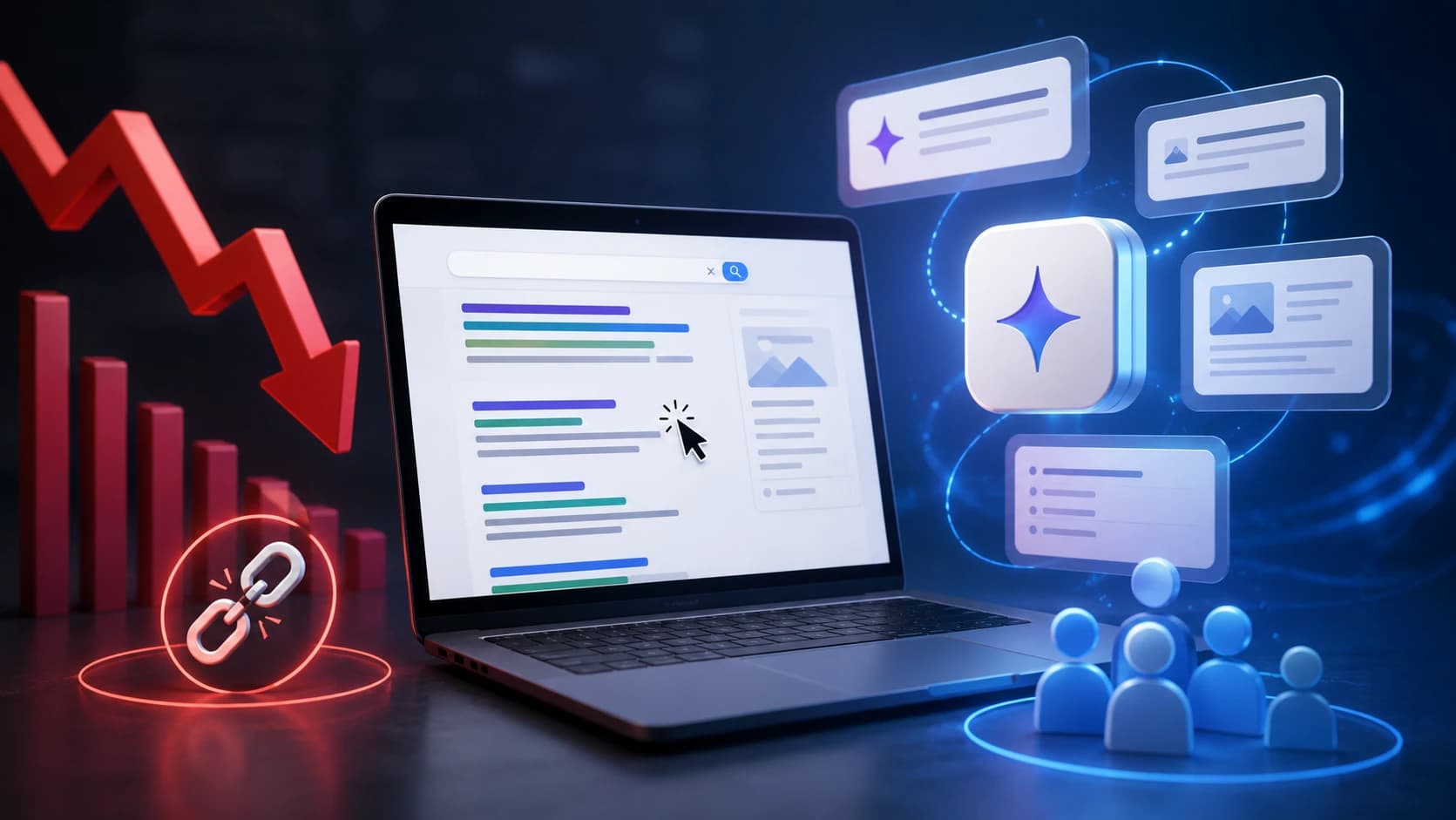
Many Shopify stores do not have a traffic problem. They have a conversion problem. People arrive, browse a few pages, maybe even add something to cart, and then disappear. When this happens consistently, the missing piece is rarely solved by simply buying more traffic. The better question is why the existing visitors are not feeling clear enough, confident enough, or motivated enough to complete the purchase.
This is where AI can be extremely useful. Not because it magically forces more sales, but because it helps merchants understand patterns faster, personalize more intelligently, and test ideas with less friction. Good conversion optimization has always been about reducing guesswork. AI simply makes that process more efficient when the store already cares about user experience and data.
The important thing is to treat AI as an aid to better judgment rather than as a shortcut around it. The more clearly a team understands its customers, the more useful AI becomes in helping it respond to those customers more intelligently.
Why Many Shopify Stores Convert Below Their Potential
Low conversion rate usually comes from a chain of small issues rather than one dramatic flaw. Product pages may be vague. Trust signals may be weak. CTAs may be generic. The mobile journey may feel clumsy. Search and navigation may not help shoppers find the right product quickly enough. The cart may introduce friction at the worst possible moment.
These problems are often visible in behavior data long before they are obvious in design review meetings. That is one reason AI is useful in CRO. It can help surface patterns that a team may not catch quickly on its own, especially when there is a large amount of user behavior to interpret.
AI Works Best When It Supports Real Customer Understanding
The most valuable use of AI in conversion optimization is not automation for its own sake. It is support for better decision-making. AI can assist with identifying where users drop off, what kinds of products they engage with, how different traffic segments behave, and which on-page elements may be contributing to hesitation.
That insight matters because every store has different friction points. One store may need better product explanation. Another may need more trust around shipping and returns. Another may need clearer recommendations or better homepage guidance. AI helps narrow the field so improvements can be targeted more intelligently.
Personalization Is Often the Most Immediate Win
One of the clearest strengths of AI in Shopify is personalization. Not every visitor should see exactly the same experience if their behavior suggests different intent. A returning customer should often be guided differently from a first-time browser. A shopper who spends time in one product category should not be shown irrelevant generic suggestions everywhere else.
AI helps stores respond to these differences more effectively. Product recommendations, offer timing, cross-sell logic, and campaign messaging can all become more relevant when shaped by actual behavior. The key is usefulness. Personalization should reduce effort for the customer, not feel intrusive or over-engineered.
When personalization goes too far or feels disconnected from genuine shopping intent, it starts to look like automation for its own sake. The strongest implementations usually feel simple from the customer's perspective because they are genuinely helping the next decision happen faster.
Testing Gets Better When Variation Is Easier
Conversion optimization depends on testing, but many teams do not test enough because producing good variations takes time. AI lowers that barrier. It can help generate alternate headlines, CTA language, layout ideas, trust-focused content, and product-copy angles much faster than a fully manual process.
That makes experimentation more realistic, especially for growing stores that do not have a large optimization team. But more versions only matter when the testing is thoughtful. The point is not to produce endless variations. The point is to learn what removes hesitation most effectively for your audience.
Product Pages Are a Major AI Opportunity
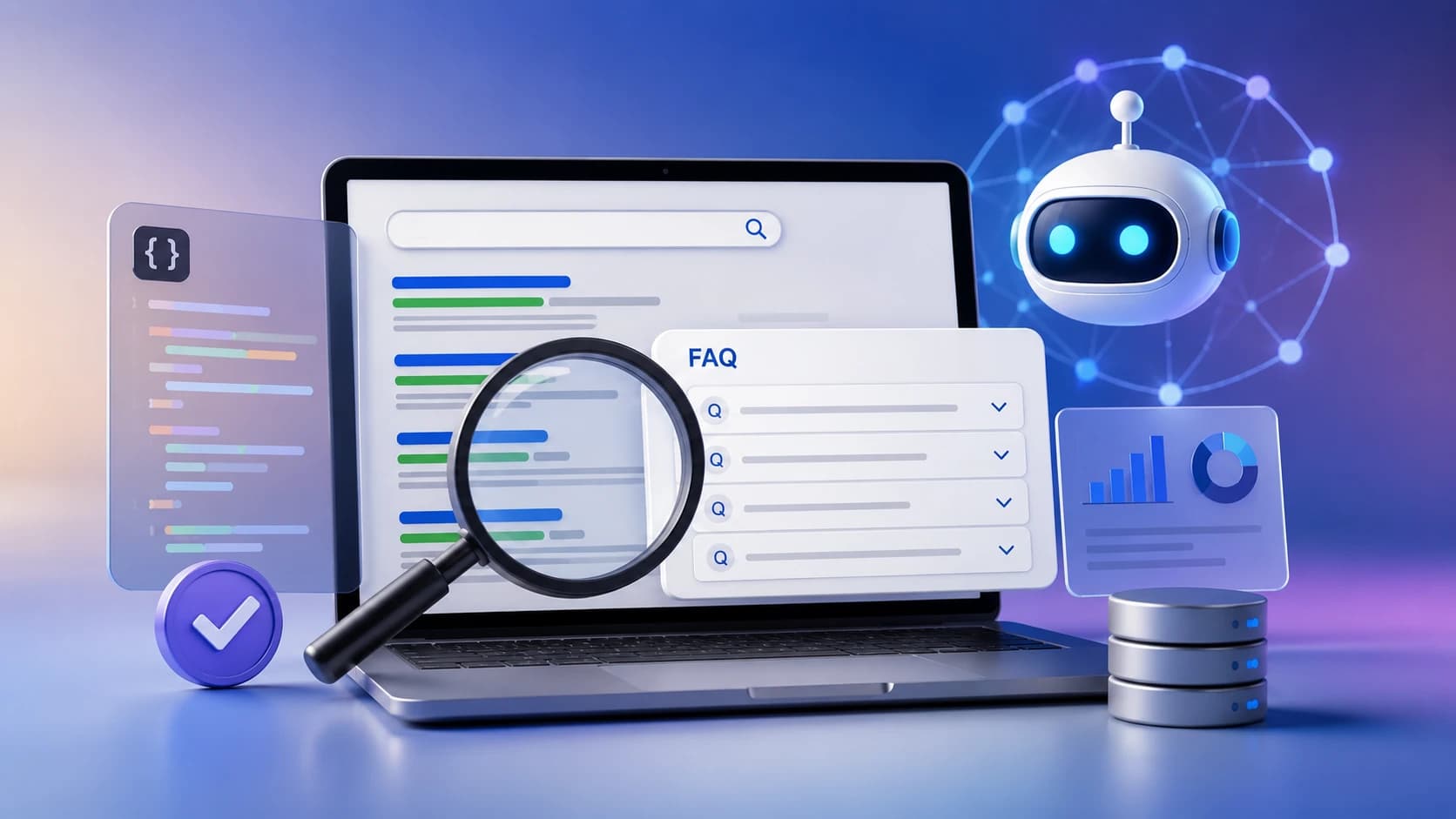
Many conversion problems are actually product-page problems. The shopper may be interested, but the page does not help them decide. AI can support this by improving descriptions, FAQ coverage, supporting content, recommendation logic, and even the framing of benefits versus features.
That support becomes more powerful when combined with a broader product-page strategy. Our guides on Shopify product page SEO and AI product descriptions for Shopify connect directly to this part of the conversion journey.
Data Is Only Useful When It Leads to Better Decisions
One reason merchants get stuck with conversion optimization is that they already have data, but not enough interpretation. They can see bounce rate, add-to-cart rate, checkout behavior, or product engagement, but still struggle to understand what those patterns mean in practical terms.
AI can help summarize and interpret this more quickly. It can highlight where drop-off is concentrated, suggest areas to review, and help teams prioritize fixes rather than treating every issue as equally urgent. That prioritization matters because small improvements in the right place often do more for revenue than large redesigns in the wrong place.
This is one of the most practical advantages of AI in CRO. It helps the team spend attention where it is most likely to produce a commercial result instead of spreading effort evenly across every visible imperfection.
AI Cannot Fix a Weak Store Foundation
This is an important limitation. If a store is fundamentally slow, confusing, poorly structured, or missing trust, AI alone will not solve the problem. It can help identify weaknesses and draft improvements, but the store still needs better UX, better design hierarchy, stronger content, and a smoother path to checkout.
In other words, AI makes a strong optimization process better. It does not turn a neglected customer experience into a high-performing one without deeper work.
Ready to improve your Shopify store?
Get a sharper plan for Shopify growth.
Talk through theme decisions, speed issues, merchandising, product discovery, and conversion improvements with the Zeroradius team.
Final Thoughts
AI conversion optimization is valuable because it helps Shopify stores become more responsive to real customer behavior. It shortens the distance between data, insight, and action. That is where the practical revenue advantage comes from.
The strongest results usually come from a balanced approach: use AI to uncover patterns, accelerate testing, and improve relevance, then use human judgment to decide what fits the brand, the customer, and the broader ecommerce strategy. When that balance is right, stores often see better performance without needing to increase traffic at the same rate.
If your store needs stronger conversion thinking across UX, content, and structure, Zeroradius offers Shopify development and UI/UX services designed around ecommerce growth.
Have questions?
It can, especially by improving personalization, testing speed, product-page quality, and the interpretation of customer behavior data.
No. AI is best used as support for better analysis and faster execution, not as a replacement for strategy or experienced judgment.
Start by reviewing product-page clarity, trust signals, CTA quality, mobile usability, and where users drop off in the buying journey.