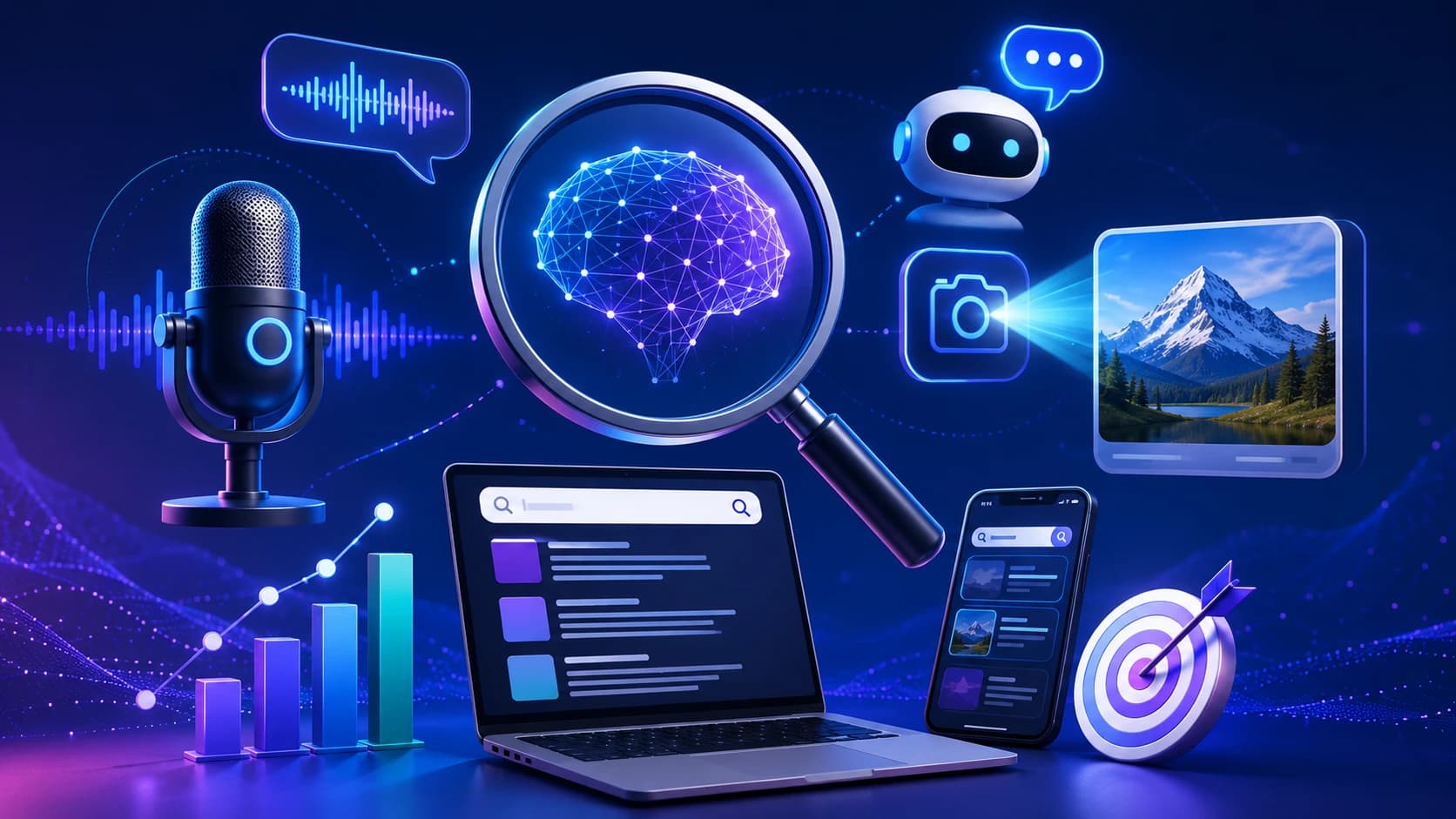

The future of AI in Shopify is not really about whether AI will matter. It already does. The more useful question is how deeply it will shape the way stores are built, optimized, merchandised, and grown. In 2026, AI is no longer just a novelty layer sitting on top of ecommerce. It is increasingly becoming part of the operating system behind how Shopify stores make decisions and execute work.
That does not mean every store needs an oversized AI stack immediately. It means the stores that learn how to use AI thoughtfully now are likely to make better decisions faster, personalize more effectively, and reduce repetitive work that used to slow growth. The future belongs less to the stores with the most automation and more to the stores that use automation in a commercially intelligent way.
Why AI Is Becoming a Core Part of Shopify Strategy
Shopify merchants are expected to do a great deal at once. They need better product content, stronger retention, clearer search visibility, better merchandising, cleaner customer journeys, and faster interpretation of store data. AI helps because it shortens the distance between workload and execution. It can draft, summarize, personalize, suggest, and help prioritize in ways that lighten operational pressure across the store.
This matters most for lean teams. A growing store often does not need more dashboards as much as it needs more usable decisions. AI becomes valuable when it helps the team spend less energy on repetition and more energy on commercial judgment.
Hyper-Personalization Will Keep Expanding
One of the clearest long-term trends is deeper personalization. Stores are moving away from showing every customer the same homepage, the same recommendations, and the same promotional logic. AI makes it easier to tailor product visibility, email messaging, recommendation flows, and on-site experiences based on browsing behavior, purchase history, and category interest.
The stronger use of personalization is not about being clever for its own sake. It is about helping the customer reach the right product or next action with less friction. When that is done well, conversion improves because the store feels more relevant without becoming intrusive.
Predictive Thinking Will Matter More Than Reactive Reporting
Another important direction is predictive analytics. Shopify merchants have always had data, but AI is changing how quickly that data can become useful. Instead of only reporting what happened, AI systems are becoming better at spotting patterns in customer behavior, product demand, and revenue opportunities before the team acts manually.
That includes forecasting what products may rise, what segments may respond to a campaign, where a customer might churn, or which merchandising changes deserve attention next. The practical benefit is not futurism. It is faster prioritization and fewer decisions made entirely on instinct.
Operational Automation Will Keep Getting Smarter
The future of Shopify AI is also operational. Product content, campaign drafts, support answers, admin tasks, and first-pass analysis are all becoming easier to automate or accelerate. This does not remove the need for human review, but it does make routine execution lighter.
That matters because operational drag quietly slows many stores down. When a merchant is constantly rewriting the same kinds of content, checking the same patterns manually, or repeating the same support explanations, growth work gets delayed. AI helps recover that time.
Search, Voice, and Conversational Discovery Will Keep Evolving
Search behavior is changing too. Customers are increasingly using more conversational language, more natural product queries, and in some cases voice-led interactions. That means product data, content structure, and store relevance signals all need to become easier for both traditional search systems and AI-led retrieval systems to interpret.
In practice, that means cleaner product language, stronger structured content, better category logic, and store experiences that support natural discovery instead of keyword-only thinking.
The Risks Are Real If Strategy Is Weak
AI adoption still carries risks when it is handled carelessly. Over-automation can flatten brand voice. Poorly reviewed AI content can weaken trust. Weak privacy thinking can create reputational problems. And the biggest risk of all is assuming that more AI automatically means a better store.
The stronger long-term approach is to use AI where it supports clarity, efficiency, and customer understanding, while keeping human judgment in the parts of the business where tone, trust, pricing, and experience quality still depend on real commercial sense.
How Shopify Stores Should Prepare
The practical preparation is fairly straightforward. Start with the repetitive tasks that are already consuming time. Improve product content workflows. Strengthen personalization where it genuinely helps. Use AI to interpret store patterns more quickly. Review where customers hesitate and where the team is overloaded. Then add tools and workflows in a way that stays measurable.
A related next read here is our guide on building Shopify stores faster with AI, which focuses more on operational workflow than long-term trend direction.
Ready to improve your Shopify store?
Get a sharper plan for Shopify growth.
Talk through theme decisions, speed issues, merchandising, product discovery, and conversion improvements with the Zeroradius team.
Final Thoughts
The future of AI in Shopify is not about removing humans from ecommerce. It is about helping stores become more responsive, more efficient, and more commercially aware. The teams that benefit most will be the ones that use AI to improve judgment, not avoid it.
Stores that adopt that mindset early are likely to become faster learners, not just faster publishers. That is a much more durable competitive advantage than trend-chasing alone.
Have questions?
Yes. AI is increasingly becoming a core part of content, personalization, analytics, support, and store-optimization workflows inside Shopify.
No. It is more likely to make teams more productive by reducing repetitive work and improving decision support.
Personalization, predictive analytics, smarter automation, stronger search and discovery logic, and AI-assisted content workflows are some of the most important directions.