
We understand your business requirements, existing WordPress environment, desired functionality, workflows, integrations, users, and technical constraints.
WordPress Plugin Development
We build custom WordPress plugins around your workflows, integrations, website functionality, and operational requirements so your site can support capabilities beyond standard plugin limitations.
Why WordPress Plugin Development Matters for Your Business
WordPress provides a broad ecosystem of plugins, but an off-the-shelf solution does not always match the way your business operates.
You may need a specific workflow, custom calculation, internal process, API connection, content functionality, user experience, or business rule that existing plugins cannot provide without unnecessary compromises.
Custom WordPress plugin development allows functionality to be designed around those requirements rather than forcing your website to adapt to a generic solution.
At Zeroradius, we develop plugins with the wider website environment in mind, considering functionality, plugin architecture, compatibility, performance, security, maintainability, and integration requirements.
Technology benefits
WordPress provides a broad ecosystem of plugins, but an off-the-shelf solution does not always match the way your business operates.
Our Process
We approach WordPress plugin development as a structured process that starts with the business requirement and ends with a practical, maintainable implementation.
We define the plugin structure, functionality, data requirements, integrations, dependencies, and technical approach before development begins.
We develop the required functionality within a structured WordPress plugin, following the approved requirements and technical architecture.
Where required, we connect the plugin with WordPress features, WooCommerce, APIs, third-party platforms, or existing website functionality.
We test plugin functionality, compatibility, performance, security considerations, and interactions with relevant WordPress components and other plugins.
After testing and review, we deploy the plugin and provide ongoing support for updates, troubleshooting, improvements, and future functionality.
Work With Zeroradius
Build the WordPress Functionality Your Business Needs
Tell us what you need your WordPress website or plugin to do, including your workflows, integrations, existing plugins, and business requirements. We'll help define the right plugin development approach for your environment.
WordPress provides a broad plugin ecosystem, but off-the-shelf solutions do not always match the way your business operates. You may need specific workflows, custom calculations, API connections, content functionality, or business rules that existing plugins cannot provide without unnecessary compromises.
Insights
View All Articles
Featured Article
How AI Can Make WordPress Management More Efficient
A practical guide to using AI in WordPress management for content workflows, maintenance, monitoring, performance, and lead handling without over-automating the site.
Read Article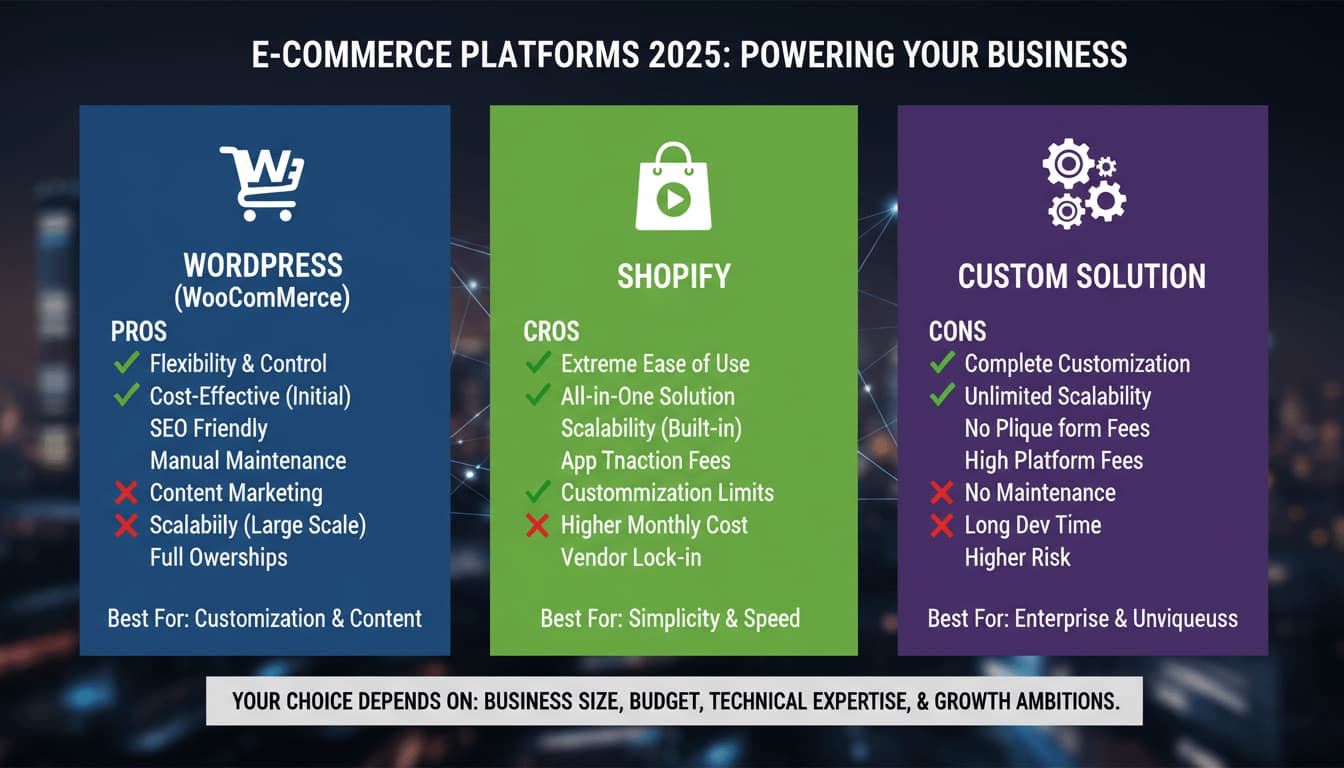
WordPress vs Shopify vs Custom: Which Platform Is Right for Your Business?
A practical comparison of WordPress, Shopify, and custom website development, with clear guidance on which platform fits different business goals, budgets, and growth plans.


BigCommerce Development Services by Zeroradius
Explore BigCommerce development services from Zeroradius, including storefront UX, custom development, integrations, migration, SEO, and performance support.
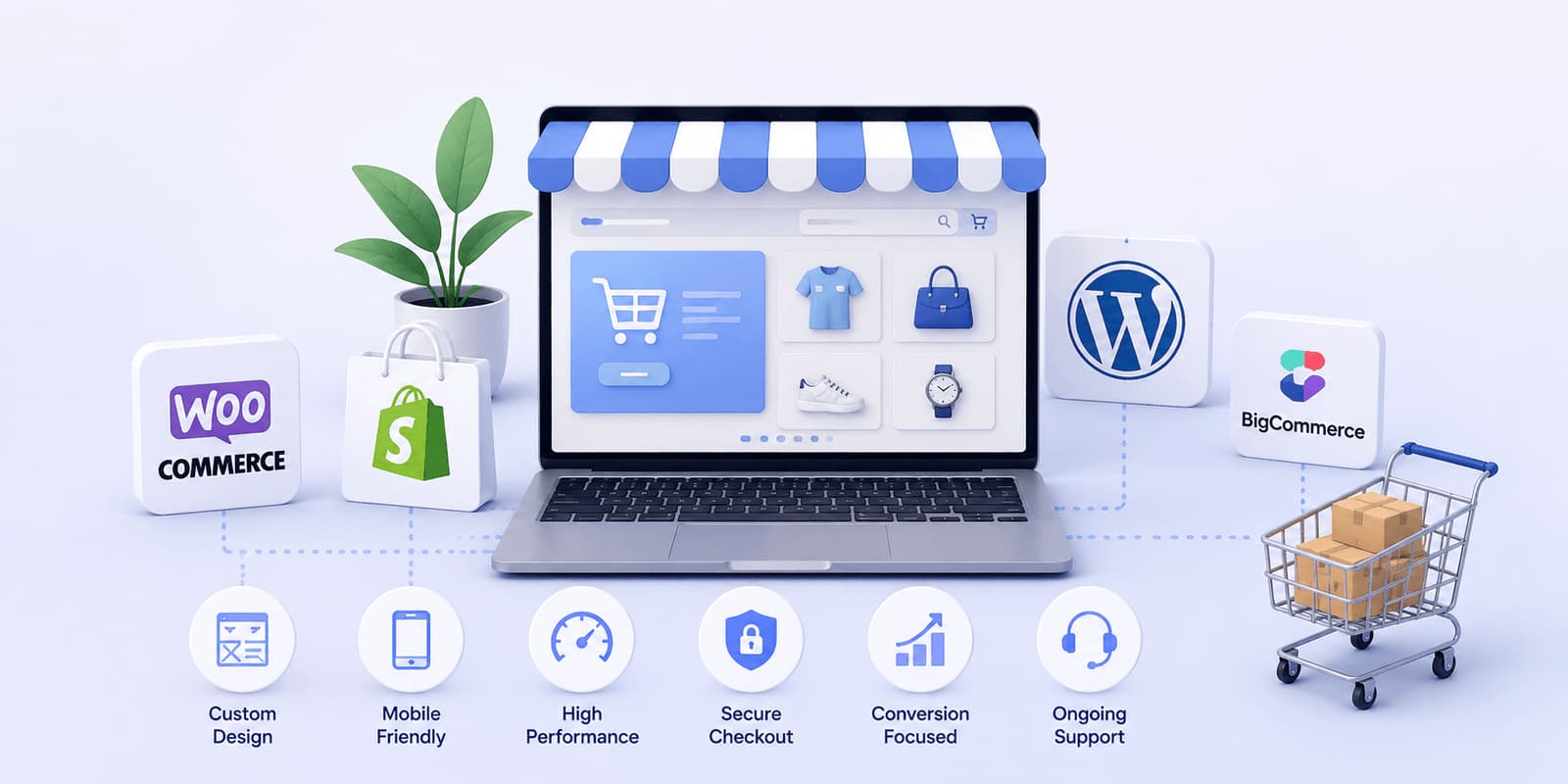
Why Businesses Choose Zeroradius for Ecommerce Development
Learn why businesses choose Zeroradius for ecommerce development, including strategy, platform selection, UX, custom development, performance, and support.
How Much Does a WordPress Website Cost in 2026?
A practical guide to WordPress website pricing in 2026, including what affects cost, realistic project ranges, hidden expenses, and how businesses should think about budget and ROI.

How Zeroradius Builds High-Converting Ecommerce Websites
See how Zeroradius approaches high-converting ecommerce websites through strategy, UX, performance, platform decisions, and continuous improvement.

Best Ecommerce Platforms Used by Ecommerce Development Companies in 2026
Compare the ecommerce platforms development companies use in 2026, including Shopify, WooCommerce, BigCommerce, headless commerce, and custom builds.
WordPress Core Release Roadmap: What Website Owners Should Know Before the Next Big Update
Review the WordPress core release roadmap and learn how website owners should prepare for updates, compatibility checks, backups, testing, and maintenance.
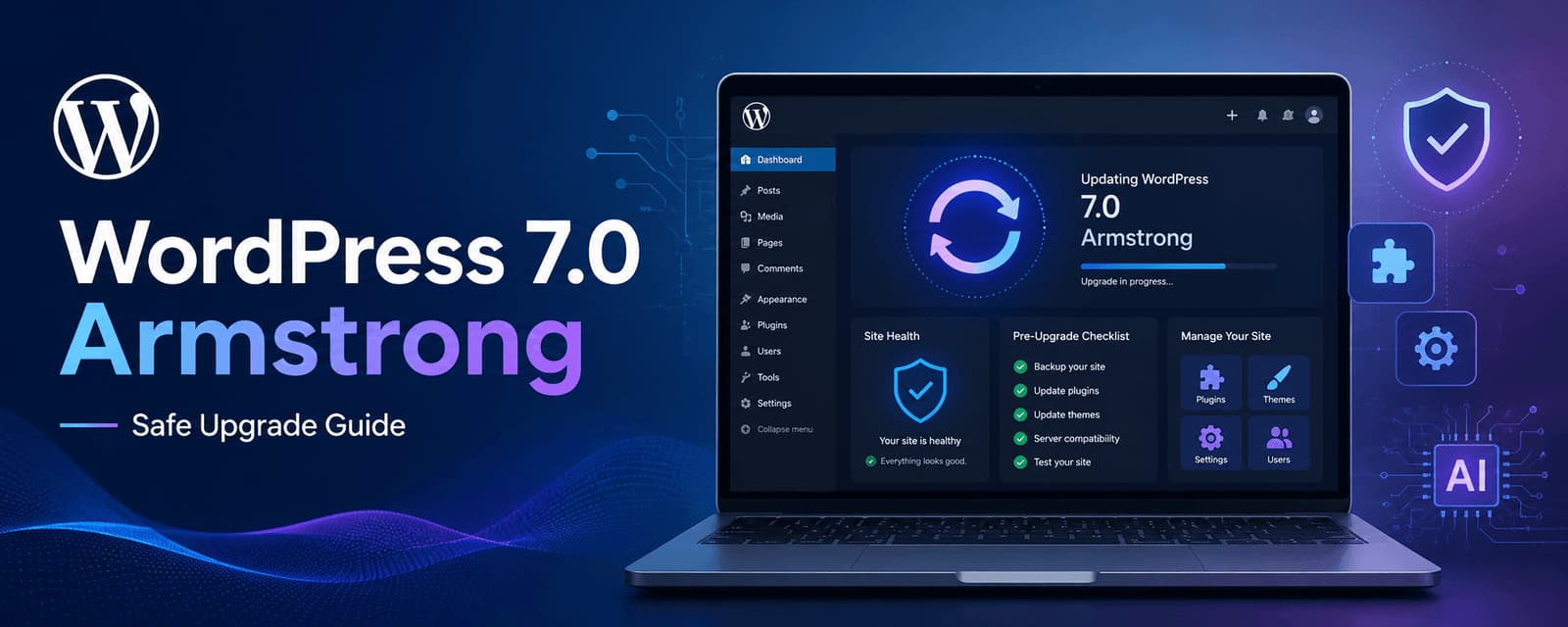
WordPress 7.0 Armstrong Update: What to Check Before Upgrading
Learn what to check before upgrading to WordPress 7.0 Armstrong, including compatibility, backups, performance, plugins, editor changes, and rollout planning.

Why WordPress Still Dominates the Web in 2026
A practical look at why WordPress still leads in 2026, from flexibility and SEO strength to ecosystem depth, performance potential, and long-term scalability.

WooCommerce Development Services by Zeroradius
Explore WooCommerce development services from Zeroradius, including custom stores, theme work, plugin support, integrations, migration, SEO, and maintenance.
Frequently Asked Questions
Need a more specific answer? Talk to us and we'll point you in the right direction.
WordPress plugin development involves creating custom functionality that extends WordPress beyond its standard features and provides specific capabilities for a website or business.
WordPress plugin development services can include custom plugin development, plugin customization, integration, maintenance, updates, compatibility work, troubleshooting, security fixes, and ongoing support.
A custom plugin can be developed around specific functionality or business requirements when existing WordPress plugins do not provide the required solution.
Yes. Plugins can be developed around your website's functionality, workflows, content requirements, integrations, and business processes.
Yes. Existing plugins can be customized where their architecture, licensing, and functionality allow the required changes to be implemented appropriately.
Yes. Plugins can connect WordPress with relevant third-party platforms, business systems, and APIs depending on the available integration methods.
Yes. Custom WooCommerce plugins can extend ecommerce functionality around specific product, order, checkout, customer, pricing, shipping, or other business requirements.
Yes. Custom plugins can be designed around business rules, internal workflows, calculations, content management requirements, customer processes, and other website functionality.
Yes. Plugin upgrade work can include updating functionality, improving compatibility, addressing technical issues, and adapting the plugin to changes in the WordPress environment.
Yes. Plugin troubleshooting can involve identifying conflicts between plugins, themes, WordPress functionality, WooCommerce, or other website components.
Plugin implementation can affect website performance depending on how functionality is structured and executed. Plugin development can therefore consider database operations, asset loading, code structure, and other relevant performance factors.
Plugin development can incorporate relevant security practices, including appropriate data handling, access controls, validation, sanitization, and other measures based on the plugin's functionality.
Yes. Ongoing plugin maintenance can include updates, compatibility work, troubleshooting, security fixes, performance improvements, and additional functionality.
Yes. A plugin can be developed to work alongside an existing WordPress theme, provided the required functionality and technical architecture support the integration.
Yes. WordPress plugins can use APIs to exchange information with relevant external systems, subject to the API's capabilities, authentication requirements, and integration constraints.
Yes. Plugin troubleshooting can investigate errors, conflicts, broken functionality, compatibility issues, and other technical problems.
Yes. Where plugin functionality affects content, metadata, URLs, structured data, or other SEO-related elements, relevant technical SEO considerations can be incorporated into the implementation.
Yes. Ongoing support can cover plugin maintenance, updates, troubleshooting, compatibility, security fixes, performance improvements, and new development requirements.
Talk to a WordPress plugin specialist
Ready to Extend WordPress Around Your Business Requirements?
Your website should not be limited by the functionality available in a standard plugin library.
Share the functionality you need, your current WordPress setup, integrations, existing plugins, and business requirements with us. We'll help shape the right WordPress plugin development approach.