
We understand your brand, website goals, content structures, functionality, user requirements, existing theme environment, and technical requirements.
WordPress Theme Development
We build custom WordPress themes around your brand, content structure, templates, user experience, and responsive requirements so the front end supports how your website actually needs to work.
Why WordPress Theme Development Matters for Your Business
Your WordPress theme influences how your website looks, behaves, and presents content to visitors.
A generic theme can provide a quick starting point, but it may not always match your brand, content structure, user experience, or functionality requirements.
Custom WordPress theme development gives you greater control over the visual system and front-end structure of the website. Instead of adapting your business requirements to a pre-built design, the theme can be developed around the way your website needs to work.
At Zeroradius, we approach theme development by considering more than visual appearance. We look at theme architecture, templates, responsive behavior, accessibility, browser compatibility, content structures, performance, and integration requirements.
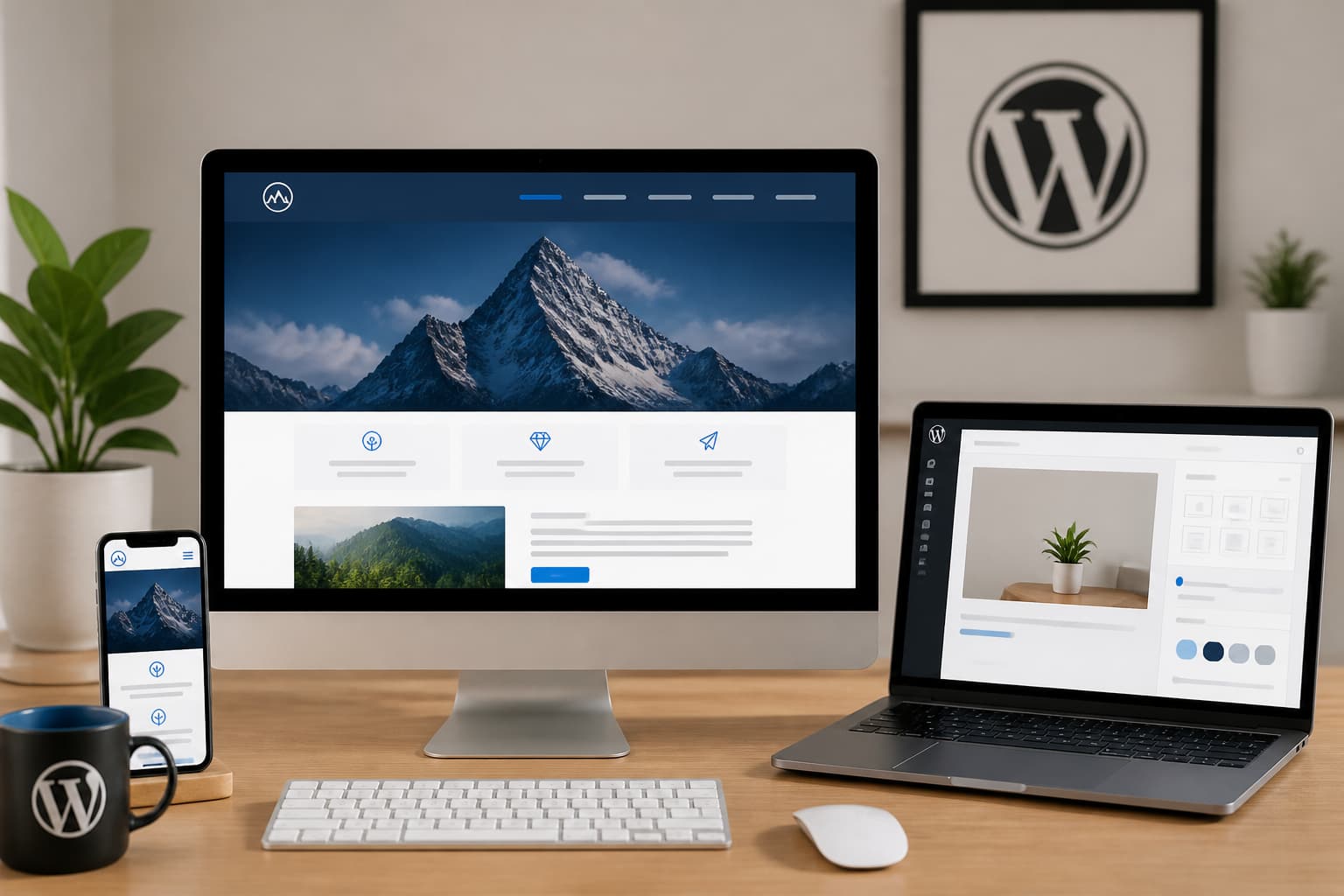
Technology benefits
Your WordPress theme influences how your website looks, behaves, and presents content to visitors.
Our Process
We approach WordPress theme development as a structured process that aligns brand presentation, template architecture, responsive behavior, implementation quality, and long-term maintainability.
We define the theme architecture, templates, reusable components, content relationships, responsive behavior, and technical foundation required for the website.
We translate your requirements into interface concepts and prototypes that establish layouts, interactions, components, and the overall design system.
We develop the WordPress theme around the approved designs and technical architecture, including templates, components, styling, and required functionality.
We test the theme across relevant screen sizes and browsers to identify layout, interaction, responsive, and compatibility issues.
We review the implementation for performance, accessibility, technical SEO considerations, and maintainability before deployment.
Work With Zeroradius
Build a WordPress Theme Around Your Brand
Tell us about your brand, existing website, design requirements, content structure, functionality, and technical environment. We'll help define the right WordPress theme development approach for a more controlled and flexible front end.
Your WordPress theme influences how the website looks, behaves, and presents content to visitors. A generic theme can provide a quick starting point, but it may not fully match your brand, content structure, user experience, or functionality requirements.
Insights
View All Articles
Featured Article
How AI Can Make WordPress Management More Efficient
A practical guide to using AI in WordPress management for content workflows, maintenance, monitoring, performance, and lead handling without over-automating the site.
Read Article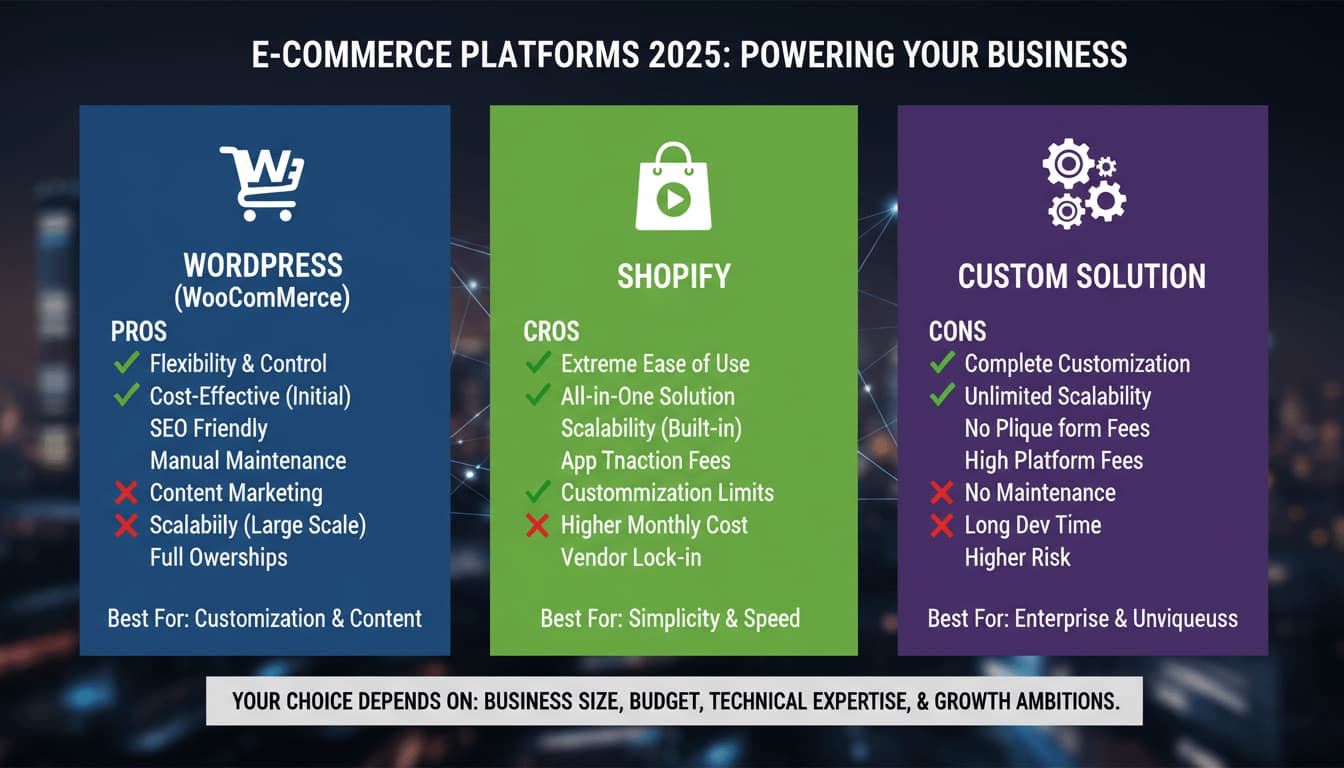
WordPress vs Shopify vs Custom: Which Platform Is Right for Your Business?
A practical comparison of WordPress, Shopify, and custom website development, with clear guidance on which platform fits different business goals, budgets, and growth plans.


BigCommerce Development Services by Zeroradius
Explore BigCommerce development services from Zeroradius, including storefront UX, custom development, integrations, migration, SEO, and performance support.
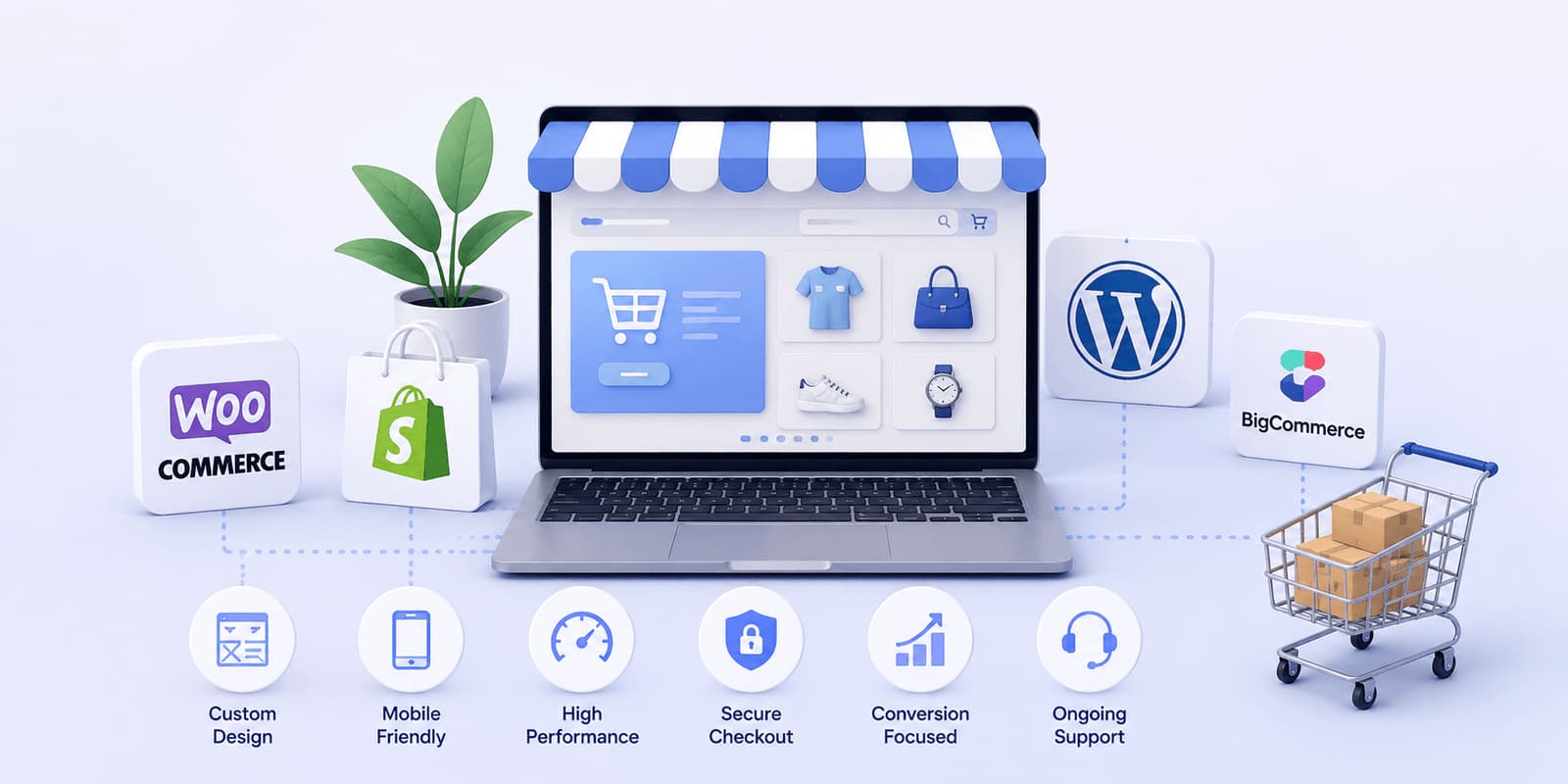
Why Businesses Choose Zeroradius for Ecommerce Development
Learn why businesses choose Zeroradius for ecommerce development, including strategy, platform selection, UX, custom development, performance, and support.
How Much Does a WordPress Website Cost in 2026?
A practical guide to WordPress website pricing in 2026, including what affects cost, realistic project ranges, hidden expenses, and how businesses should think about budget and ROI.

How Zeroradius Builds High-Converting Ecommerce Websites
See how Zeroradius approaches high-converting ecommerce websites through strategy, UX, performance, platform decisions, and continuous improvement.

Best Ecommerce Platforms Used by Ecommerce Development Companies in 2026
Compare the ecommerce platforms development companies use in 2026, including Shopify, WooCommerce, BigCommerce, headless commerce, and custom builds.
WordPress Core Release Roadmap: What Website Owners Should Know Before the Next Big Update
Review the WordPress core release roadmap and learn how website owners should prepare for updates, compatibility checks, backups, testing, and maintenance.
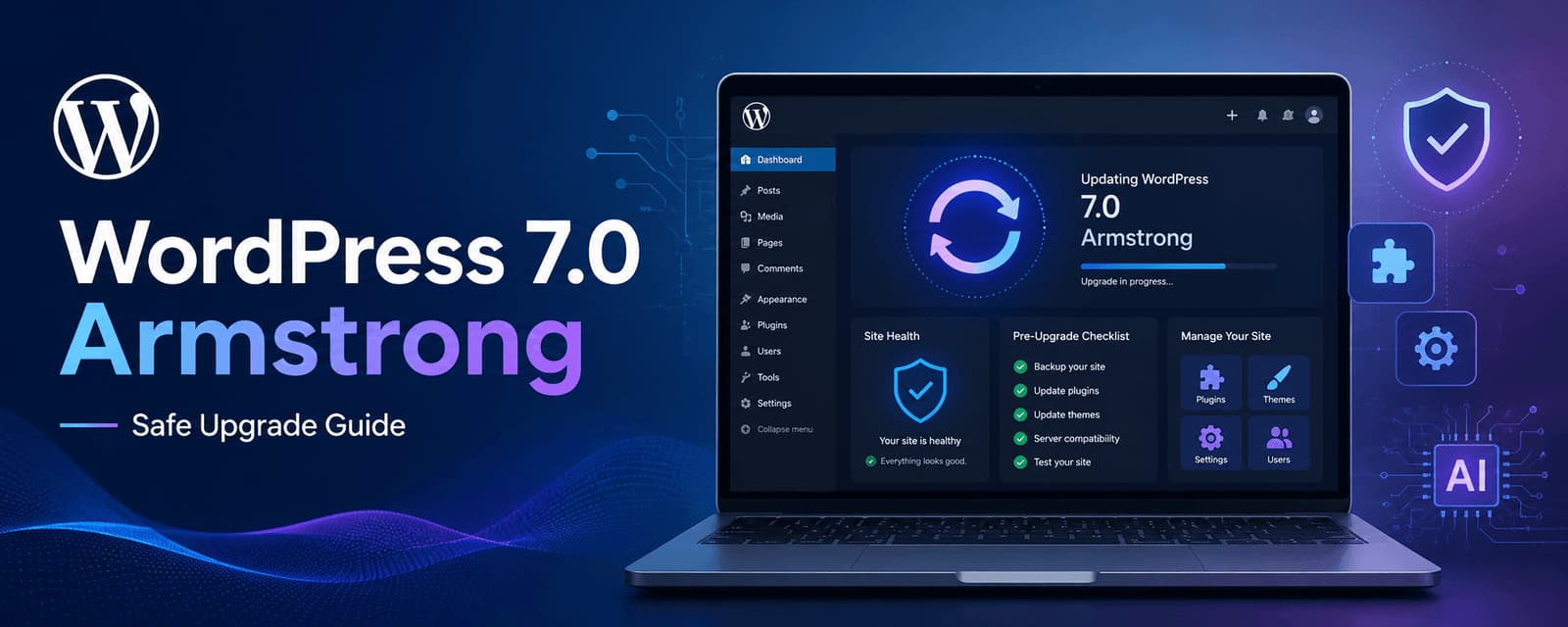
WordPress 7.0 Armstrong Update: What to Check Before Upgrading
Learn what to check before upgrading to WordPress 7.0 Armstrong, including compatibility, backups, performance, plugins, editor changes, and rollout planning.

Why WordPress Still Dominates the Web in 2026
A practical look at why WordPress still leads in 2026, from flexibility and SEO strength to ecosystem depth, performance potential, and long-term scalability.

WooCommerce Development Services by Zeroradius
Explore WooCommerce development services from Zeroradius, including custom stores, theme work, plugin support, integrations, migration, SEO, and maintenance.
Frequently Asked Questions
Need a more specific answer? Talk to us and we'll point you in the right direction.
WordPress theme development involves designing and developing the front-end structure of a WordPress website, including templates, layouts, components, styles, responsive behavior, and theme functionality.
Services can include custom theme development, theme customization, theme architecture, template development, responsive implementation, WooCommerce compatibility, accessibility, browser compatibility, performance considerations, and ongoing improvements.
A custom theme can provide greater control over your website's design, content presentation, user experience, templates, components, and technical implementation.
Yes. A custom WordPress theme can be developed around your brand, designs, content architecture, functionality, responsive requirements, and technical environment.
Yes. Existing themes can be customized where their architecture and functionality are appropriate for the required changes.
Theme development involves creating a theme or its core structures around specific requirements. Theme customization involves modifying an existing theme to achieve the required design or functionality.
Yes. Responsive implementation can be built into the theme so layouts and components adapt across desktop, tablet, and mobile screen sizes.
Yes. WordPress themes can be developed or customized to support WooCommerce storefronts, product templates, shopping experiences, and relevant ecommerce components.
Yes. Approved UI designs and prototypes can be translated into WordPress templates, components, layouts, and responsive front-end implementation.
Pixel-perfect development focuses on translating approved interface designs into the WordPress theme with close attention to visual details such as spacing, typography, sizing, alignment, layouts, and component behavior.
Yes. Custom templates can be created for pages, posts, archives, custom content types, products, and other website structures.
Yes. Theme architecture can include reusable components, templates, design patterns, and other foundations that support consistent development and future changes.
Yes. Theme development can incorporate relevant technical SEO considerations such as semantic markup, content hierarchy, crawlability, performance, and appropriate template structures.
Yes. Theme implementation can be reviewed for unnecessary assets, front-end code, rendering behavior, image handling, and other factors that can affect website performance.
Yes. Accessibility can be considered across navigation, semantic structure, interactive components, keyboard behavior, content presentation, and other relevant parts of the theme.
Yes. Themes can be tested across relevant supported browsers and screen sizes to identify compatibility and responsive issues.
Yes. A well-structured theme architecture can provide a foundation for adding templates, components, content types, functionality, and design changes as website requirements evolve.
Yes. Ongoing support can include theme updates, troubleshooting, compatibility improvements, performance work, new components, and other development requirements.
Talk to a WordPress theme specialist
Ready to Create a WordPress Theme That Fits Your Website?
Your WordPress theme should support your brand, content presentation, and user experience instead of forcing your website into a generic front-end structure.
Share your brand, design requirements, content structure, functionality, current theme situation, and technical needs with us. We'll help shape the right WordPress theme development approach.