WordPress page builders are no longer being judged only by how quickly they let someone arrange a layout. In 2026, the more serious question is what kind of websites they help teams maintain over time. That is why comparisons such as Elementor Atomic versus Bricks Builder matter more now than they did a few years ago. The discussion has moved beyond drag-and-drop convenience into deeper concerns around systems, performance, scalability, and cleaner long-term architecture.
Both Elementor Atomic and Bricks represent this shift, but they do so in different ways. Elementor is trying to become more system-oriented through reusable components and stronger design consistency. Bricks is appealing to teams that want cleaner output, stronger performance, and more direct structural control. The right choice depends less on trend and more on how your team works and what kind of site you are trying to maintain.
What Elementor Atomic Is Really Trying to Solve
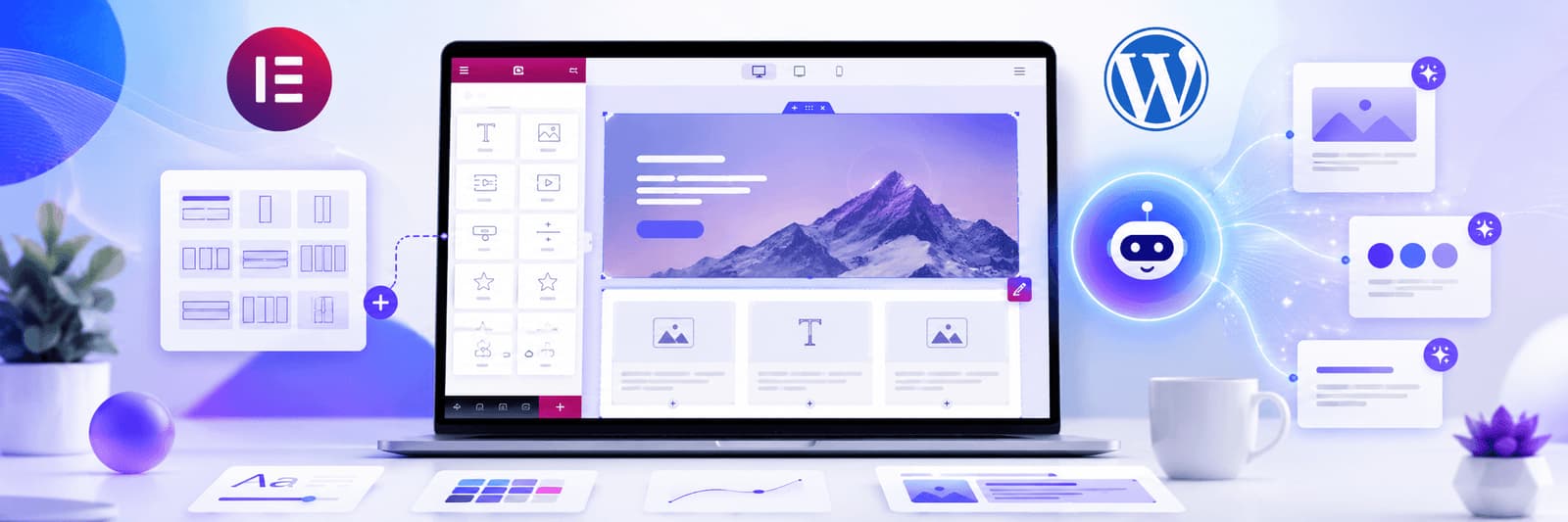
Elementor’s Atomic direction is an attempt to move beyond page-by-page visual assembly and toward a more reusable design system. Instead of rebuilding sections repeatedly, teams can create components, centralize styling decisions, and manage consistency more effectively across larger websites. That is a meaningful improvement, especially for agencies, marketers, and businesses handling many landing pages or broader site ecosystems.
The value here is not only convenience. It is operational clarity. A more system-based approach reduces duplication, shortens maintenance time, and makes it easier to keep the site visually consistent as it grows.
What Bricks Builder Prioritizes Differently
Bricks Builder is attractive for a different reason. It tends to appeal more strongly to people who care about structure, cleaner frontend output, and stronger performance fundamentals. The interface feels more architectural and less widget-driven, which often makes it more comfortable for developers and technically oriented builders who want to understand the site’s structure as they work.
That does not automatically make it better for every team. But it does mean Bricks often feels more aligned with performance-minded and implementation-minded WordPress workflows. When a project needs cleaner output and tighter control, that emphasis can matter a lot.
Performance Is a Real Divider Here
One of the strongest reasons people choose Bricks is performance. It generally produces leaner output and avoids some of the heaviness that larger page-builder ecosystems can accumulate over time. That can make a meaningful difference for Core Web Vitals, frontend cleanliness, and how easy the site is to keep performant as complexity grows.
Elementor Atomic improves Elementor’s maintainability story, but it does not completely erase the broader performance concerns that can come from heavy builder usage when a site is not carefully managed. That means teams choosing Elementor still need to care about hosting, asset control, section discipline, and the weight of the final page experience.
Ease of Adoption Favors Elementor for Many Teams
Elementor still has a major advantage in familiarity and accessibility. Many designers, marketers, and business users already understand its workflow, and Atomic design builds on that familiarity rather than replacing it completely. For agencies working with clients who already expect Elementor, that matters.
Bricks often asks for a more structural mindset. For some teams that is a strength. For others, especially less technical users, it can create a steeper learning curve. So although Bricks may be cleaner architecturally, Elementor may still be the smoother operational fit for teams that prioritize editor comfort and faster onboarding.
This Is Really a Workflow Question
The deeper comparison is not just builder versus builder. It is workflow versus workflow. Elementor Atomic is usually the better fit when the team wants a more visual system with reusable design logic inside a familiar environment. Bricks is usually the better fit when performance, developer control, and cleaner structural output are top priorities from the beginning.
That means the correct answer depends on what the website is expected to become. If the site will be heavily campaign-driven, editor-managed, and visually iterated often, Elementor Atomic may be the more practical route. If the site needs a leaner long-term technical foundation and tighter frontend discipline, Bricks often makes more sense.
Planning a better WordPress website?
Turn this WordPress insight into a stronger build.
Get help with WordPress strategy, design, performance, content structure, and long-term maintainability.
Final Thoughts
Elementor Atomic and Bricks Builder both represent where WordPress design is heading, but they express that future differently. Elementor is evolving toward stronger systems within a familiar visual builder model. Bricks is pushing more directly toward performance-led, structure-aware website building.
Neither path is universally right. The best choice depends on who will manage the site, how design-heavy it needs to be, how much performance discipline the project demands, and whether the team values editor familiarity more than frontend minimalism.
If you are evaluating this in the context of a real rebuild, our articles on Gutenberg vs Elementor and WordPress block architecture are useful next reads. Zeroradius also offers WordPress development services for businesses that want the technical choice matched to real growth goals.
Have questions?
It is Elementor’s more system-oriented approach to building with reusable components, global styles, and stronger consistency across pages.
In many cases yes, because Bricks tends to produce cleaner output and is often chosen specifically for stronger performance discipline.
Elementor is usually easier for beginners and non-technical editors, while Bricks often feels better suited to users who prefer more structural control.