
We understand your products, customers, business model, catalogue structure, growth goals, current ecommerce setup, and the functionality your store needs.
B2C Ecommerce Development
Build a customer-focused online store designed around how consumers discover, evaluate, and purchase products.
Why B2C Ecommerce Development Matters for Your Business
B2C ecommerce is built around the expectations of individual consumers.
Customers want to find products quickly, understand their options, shop comfortably across devices, and move through checkout without unnecessary complexity.
A well-planned B2C ecommerce implementation can support product discovery, mobile commerce, customer confidence, streamlined checkout, personalization, connected systems, and a scalable foundation for growth.
At Zeroradius, we develop B2C ecommerce solutions around your products, customer journeys, catalogue structure, platform requirements, and operational needs rather than forcing a generic storefront model.
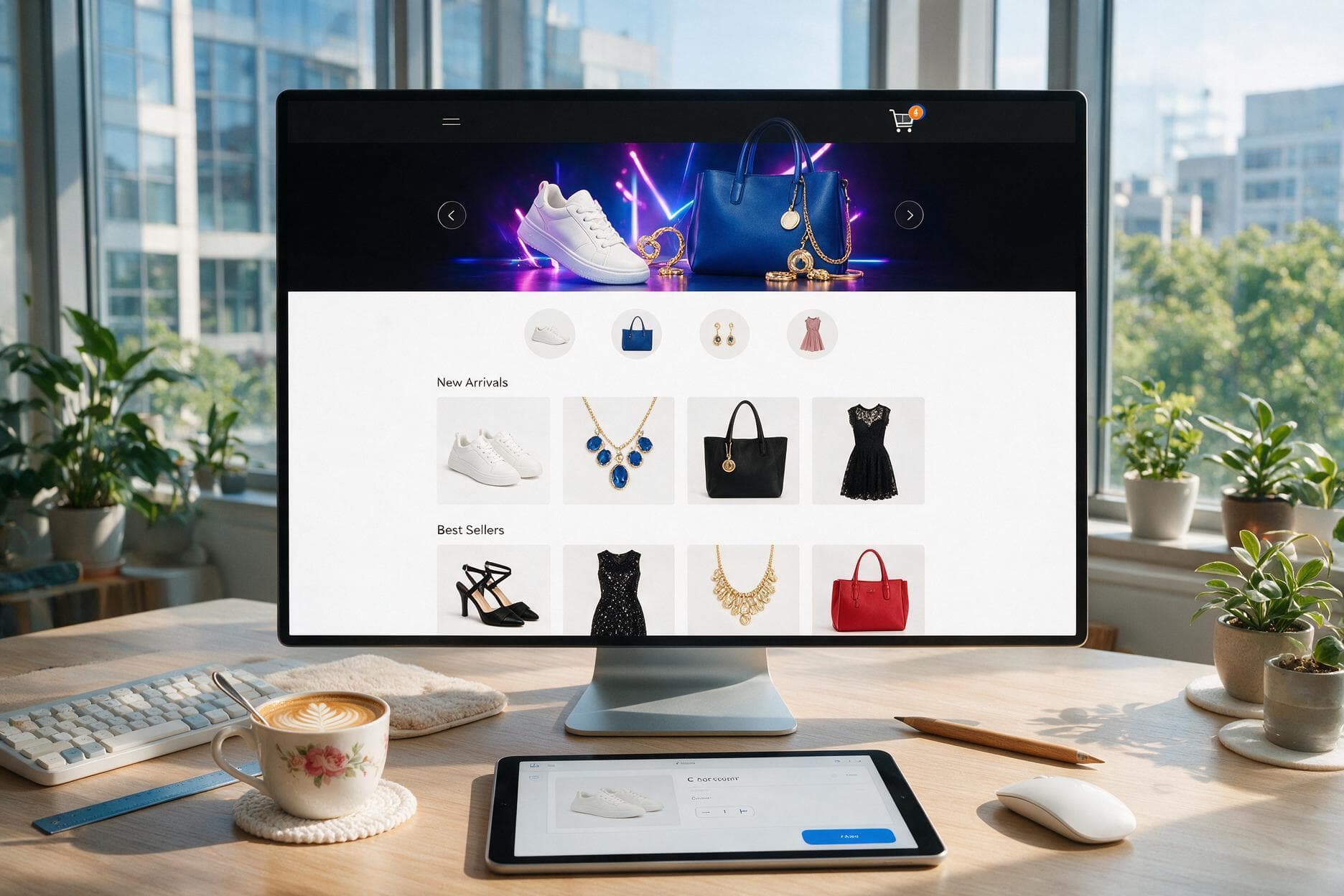
Technology benefits
B2C ecommerce is built around the expectations of individual consumers.
Our Process
We plan B2C ecommerce development around your customers, product structure, platform requirements, and operational workflows so the final store supports both conversion and long-term scalability.
We define storefront structure, categories, navigation, search, filtering, customer journeys, platform fit, integrations, and technical direction.
We shape the shopping experience around product discovery, product evaluation, account interactions, cart behavior, and checkout clarity across devices.
We build the storefront, templates, product experiences, shopping flows, custom functionality, and supporting ecommerce logic required for the project.
We connect the ecommerce experience with payment gateways, CRM, ERP, inventory, fulfilment, analytics, marketing systems, and other relevant tools.
We test key customer journeys across devices, including product browsing, filtering, cart, checkout, account flows, integrations, responsiveness, and performance.
We prepare the store for launch and can continue supporting it through maintenance, optimizations, troubleshooting, enhancements, and future ecommerce development.

Work With Zeroradius
Build a B2C Ecommerce Experience Around Your Customers
Your online store needs to work for both your customers and your business. Zeroradius develops B2C ecommerce experiences around product discovery, customer journeys, responsive shopping, checkout, integrations, and the operational requirements behind the storefront.
B2C ecommerce is built around the expectations of individual consumers. Customers want to find products quickly, understand their options, shop comfortably across devices, and move through checkout without unnecessary complexity.
Insights
View All Articles
Featured Article
BigCommerce Development Services by Zeroradius
Explore BigCommerce development services from Zeroradius, including storefront UX, custom development, integrations, migration, SEO, and performance support.
Read Article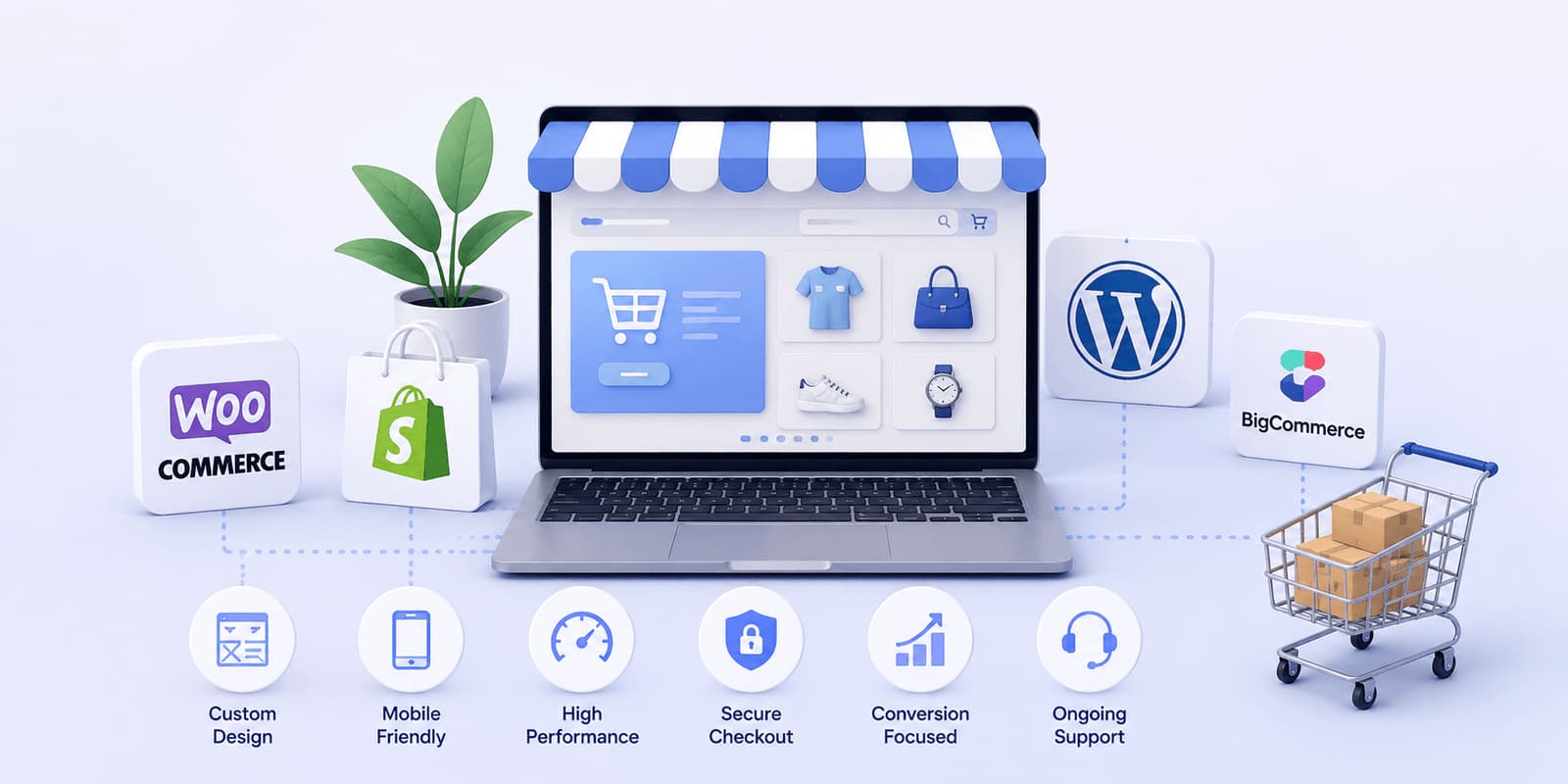
Why Businesses Choose Zeroradius for Ecommerce Development
Learn why businesses choose Zeroradius for ecommerce development, including strategy, platform selection, UX, custom development, performance, and support.


How Zeroradius Builds High-Converting Ecommerce Websites
See how Zeroradius approaches high-converting ecommerce websites through strategy, UX, performance, platform decisions, and continuous improvement.
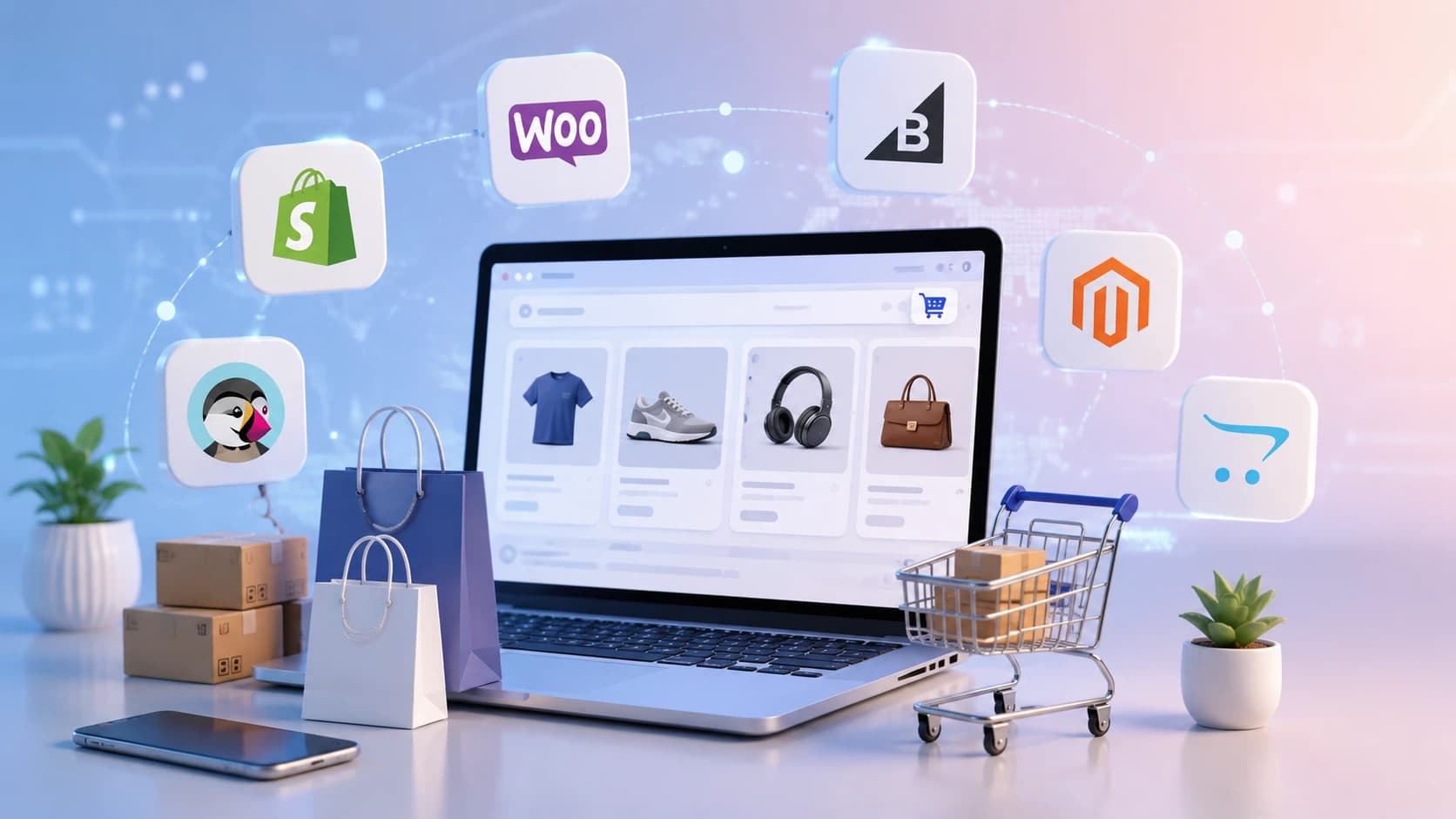
Best Ecommerce Platforms Used by Ecommerce Development Companies in 2026
Compare the ecommerce platforms development companies use in 2026, including Shopify, WooCommerce, BigCommerce, headless commerce, and custom builds.
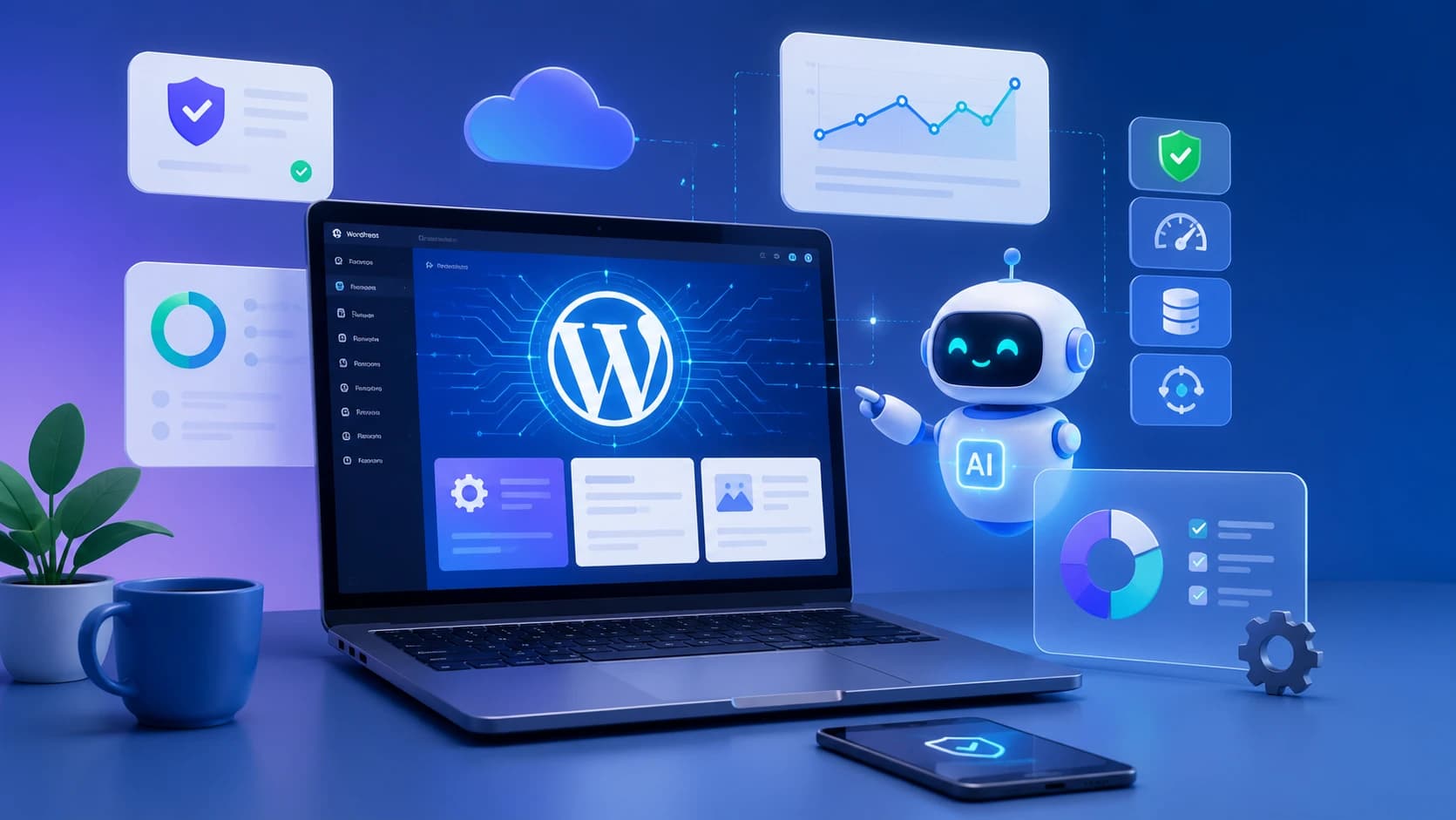
How AI Can Make WordPress Management More Efficient
A practical guide to using AI in WordPress management for content workflows, maintenance, monitoring, performance, and lead handling without over-automating the site.
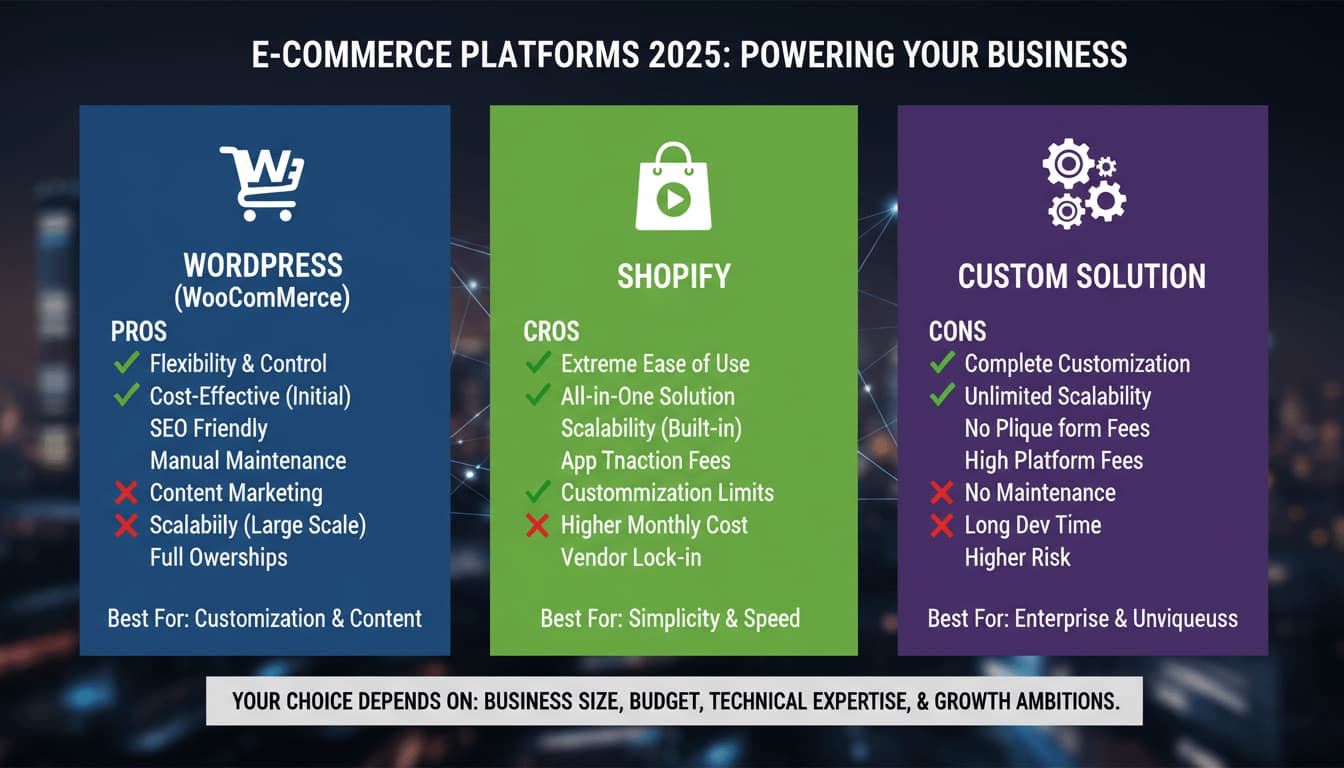
WordPress vs Shopify vs Custom: Which Platform Is Right for Your Business?
A practical comparison of WordPress, Shopify, and custom website development, with clear guidance on which platform fits different business goals, budgets, and growth plans.
WooCommerce Development Services by Zeroradius
Explore WooCommerce development services from Zeroradius, including custom stores, theme work, plugin support, integrations, migration, SEO, and maintenance.

Shopify Development Services by Zeroradius
Explore Shopify development services from Zeroradius, including store strategy, theme work, custom features, integrations, speed, SEO, and ongoing support.
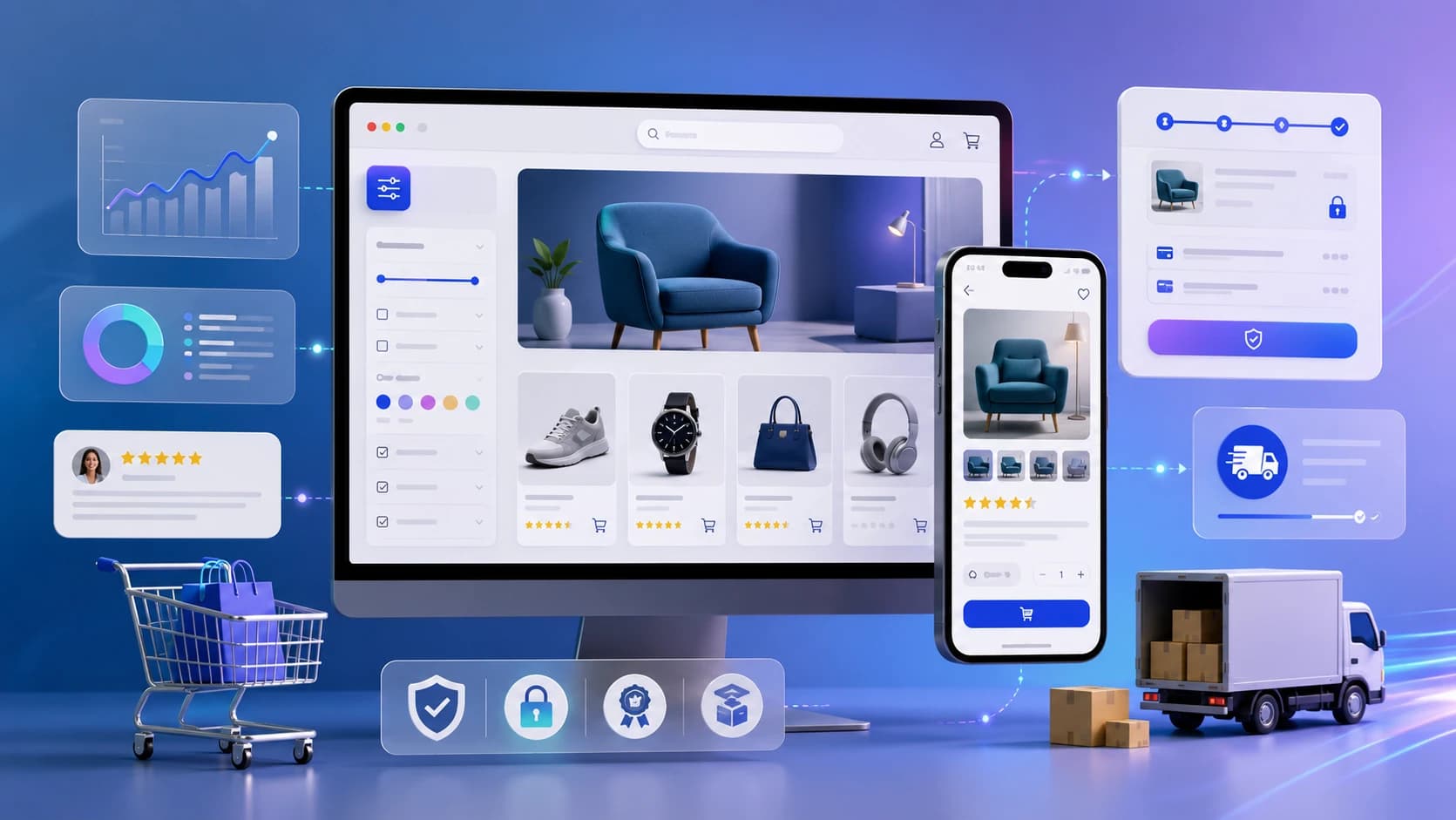
13 Essential Elements Every High-Performing Online Store Needs in 2026
Learn the essential elements of a high-performing online store, from speed and mobile UX to trust signals, product pages, checkout, and post-launch optimization.

Why Your Business Needs an eCommerce Development Company in 2026
The eCommerce boom isn’t coming - it’s already here. By 2026, global online sales are projected to surpass $8.1 trillion, and businesses that fail to adapt risk being left behind.
How Much Does a WordPress Website Cost in 2026?
A practical guide to WordPress website pricing in 2026, including what affects cost, realistic project ranges, hidden expenses, and how businesses should think about budget and ROI.
Frequently Asked Questions
Need a more specific answer? Talk to us and we'll point you in the right direction.
B2C ecommerce development is the process of planning, designing, building, integrating, and improving online stores for businesses that sell directly to individual consumers.
The scope can include storefront development, product catalogues, responsive design, mobile commerce, shopping carts, checkout, payment gateways, customer accounts, personalization, integrations, migration, and custom functionality.
B2C ecommerce generally focuses on individual consumers and direct purchasing journeys, while B2B ecommerce often involves business accounts, negotiated pricing, approval workflows, and organization-specific buying requirements.
Yes. Custom B2C ecommerce development can be used to create storefront functionality, customer journeys, integrations, and workflows around your specific business requirements.
The right platform depends on your products, catalogue, customer journeys, integrations, technical requirements, and business goals. We shape the implementation around the platform that best fits those requirements.
Yes. CRM integration can connect relevant customer and commerce data with your CRM system to support customer management and related workflows.
Yes. ERP integration can connect products, inventory, orders, fulfilment information, and other operational data where the relevant systems support the required integration.
Yes. Payment gateway integration can connect your ecommerce store with suitable payment providers based on your business, customers, markets, and payment requirements.
Yes. B2C ecommerce development can include responsive and mobile-focused experiences designed around customers shopping through smartphones and tablets.
Yes. Where appropriate, ecommerce functionality can support personalized product recommendations, customer experiences, content, and other relevant shopping interactions.
Yes. Relevant commerce channels and supporting systems can be connected as part of an omnichannel strategy, depending on the business's technical and operational requirements.
Yes. B2C ecommerce migration can include planning and transferring relevant products, customers, orders, content, URLs, integrations, and other store data.
Yes. A headless architecture can separate the frontend experience from the ecommerce backend when greater frontend flexibility or a particular technical approach is required.
Yes. The ecommerce experience can be structured around larger catalogues, including product categories, search, filtering, product information, variants, and relevant integrations.
The storefront can be integrated with appropriate payment gateways and payment methods supported by the selected platform, providers, region, and business requirements.
Yes. Existing stores can be extended with custom functionality, integrations, storefront improvements, performance work, redesigns, and other development requirements.
The timeline depends on the project scope, platform, catalogue complexity, design requirements, integrations, custom functionality, migration requirements, testing, and other technical factors.
The cost depends on the platform, scope, number of pages and features, integrations, catalogue complexity, custom functionality, migration requirements, and other development requirements.
Yes. Ongoing support can include maintenance, bug fixes, performance improvements, integrations, feature enhancements, troubleshooting, and future ecommerce development as your store evolves.
Start your B2C ecommerce project
Tell us about your B2C Ecommerce requirements
Share your ecommerce goals, products, current platform, integrations, customer journeys, and technical requirements.
We can use this information to understand the scope and development approach for your B2C ecommerce project.