
Many Shopify stores spend heavily to attract visitors and then lose those same visitors because product discovery is weaker than it should be. The customer is interested enough to search, but the store does not help them find the right item quickly. When that happens, the problem is not traffic. It is internal friction.
Shopify Search & Discovery matters because it shapes what happens after intent has already appeared. A customer who uses search is usually closer to buying than a casual browser. If the store returns poor matches, weak filtering, or confusing results, it wastes one of the highest-intent moments in the whole ecommerce journey.
What Shopify Search & Discovery Really Controls
Shopify Search & Discovery affects how products surface inside the store through search results, filtering, recommendation logic, and related-product behavior. In practical terms, it influences whether the customer feels guided or frustrated. A well-optimized setup helps people narrow options confidently. A weak one makes the catalog feel harder to use than it really is.
This is why search should not be treated as a background feature. It is part of the conversion system. Good product discovery reduces effort, improves engagement, and helps the customer reach the right product page faster.
Most Search Failures Begin With Weak Product Language
Search performance usually reflects the quality of product data. Generic titles, thin descriptions, inconsistent tags, and poor use of synonyms all make it harder for Shopify to understand what should appear for a given query. When the product language is weak, the store may still technically contain the right products, but it becomes much less effective at connecting buyers to them.
The strongest product titles are descriptive enough to match intent naturally. Descriptions should also support discoverability, not just fill space. They should clarify product type, use case, material, fit, compatibility, or any other details that affect how customers search.
Synonyms and Filters Do More Than Merchants Expect
Customers do not always use the same words the merchant uses internally. One shopper may search for “sofa,” another for “couch.” One may search for “trainers,” another for “sneakers.” Synonyms help bridge that mismatch. Without them, the store can underperform even when the catalog is relevant.
Filters matter for the same reason. Once the result set becomes broader, customers need a practical way to narrow it. Size, color, price, category, material, compatibility, or style filters can all improve discovery when they reflect how people actually compare products. The right filters make the catalog feel more organized and easier to shop.
Search Optimization Is Really a Conversion Task
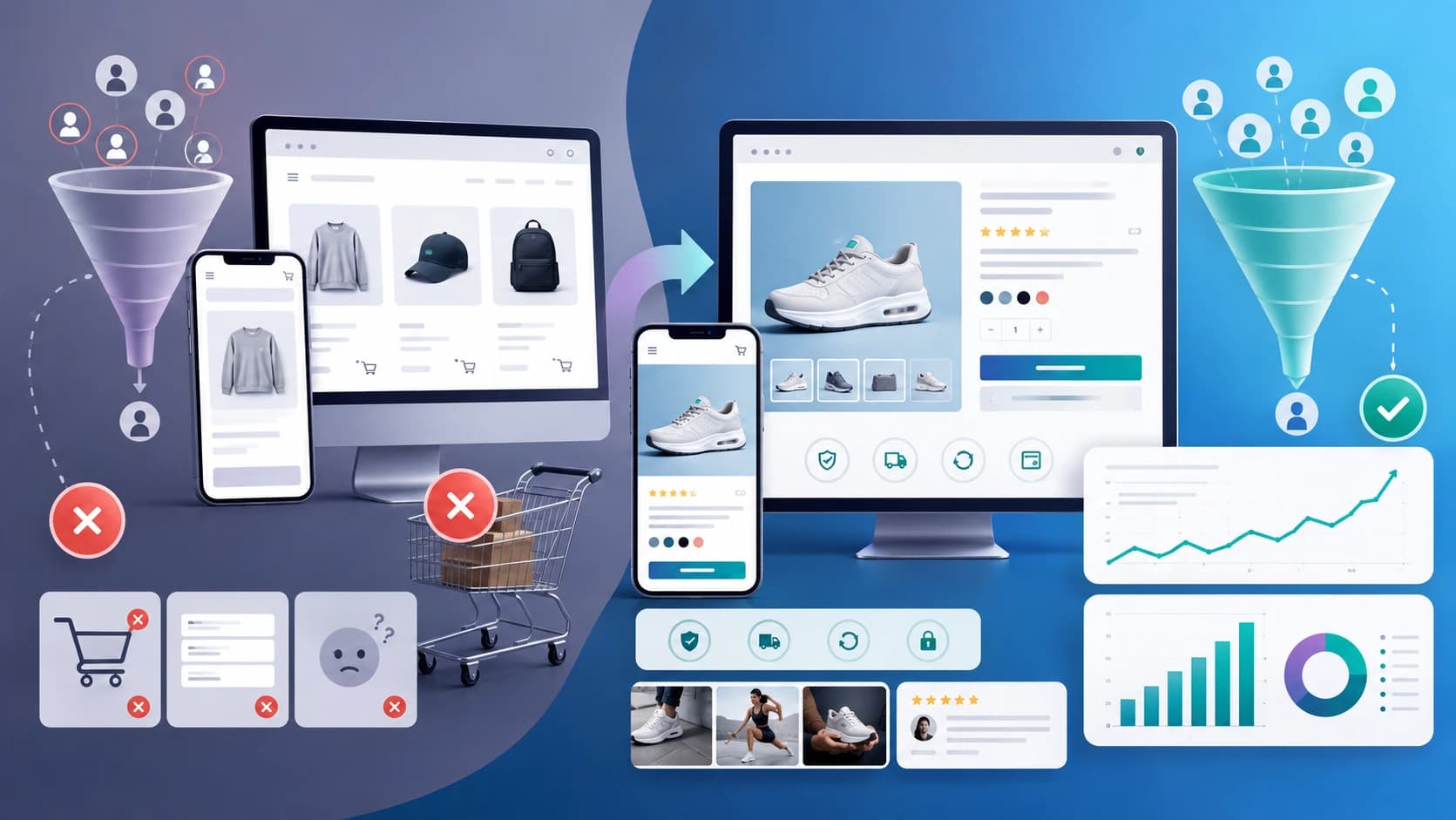
Merchants often think of search optimization as a technical or merchandising detail, but it is closely tied to revenue. If the customer finds the right product faster, frustration drops and engagement rises. Better product discovery often improves more than search itself. It helps collection browsing, internal relevance, average session quality, and store-wide confidence.
This is one reason Shopify search should be reviewed alongside broader UX and conversion work. If a store search experience is weak, the problem may show up as lower conversion without the team realizing the discovery layer is part of the cause.
What Usually Goes Wrong
The same problems appear repeatedly: generic product titles, no synonym strategy, weak categorization, poor filtering, and no review of what customers are actually searching for. Some stores also ignore no-result searches, which means they lose buyers at the exact moment those buyers are trying to tell the business what they want.
Another common mistake is treating search as something that does not need maintenance. As the catalog grows, search logic needs to evolve. New product lines, new customer language, and changing merchandising priorities all affect how product discovery should work.
How to Improve Shopify Search More Intelligently
A practical search-optimization process usually starts with product data. Improve titles, descriptions, tags, and collections so the store understands its own catalog more clearly. Then review synonyms, filters, and result quality based on real search behavior. This should be followed by reviewing mobile usability, because search that technically works can still feel awkward on smaller screens.
Search analytics are especially useful here. They reveal what customers actually type, where the store fails to return strong matches, and which terms may need synonym handling or better product language. If the store sees a lot of no-result searches, that is usually a strong sign that discovery logic needs work.
Recommendations and Ranking Should Support Buying Momentum
Search & Discovery is not only about matching exact search queries. It also shapes product recommendations and which items gain more visibility inside the store. That means the system can support stronger merchandising when it is handled well. High-converting products, relevant alternatives, and useful complements can all help keep the customer moving rather than losing direction.
The important thing is relevance. Recommendations should feel useful, not random. When they are aligned with product intent, they support both discovery and basket growth.
Speed and Mobile Search Still Matter
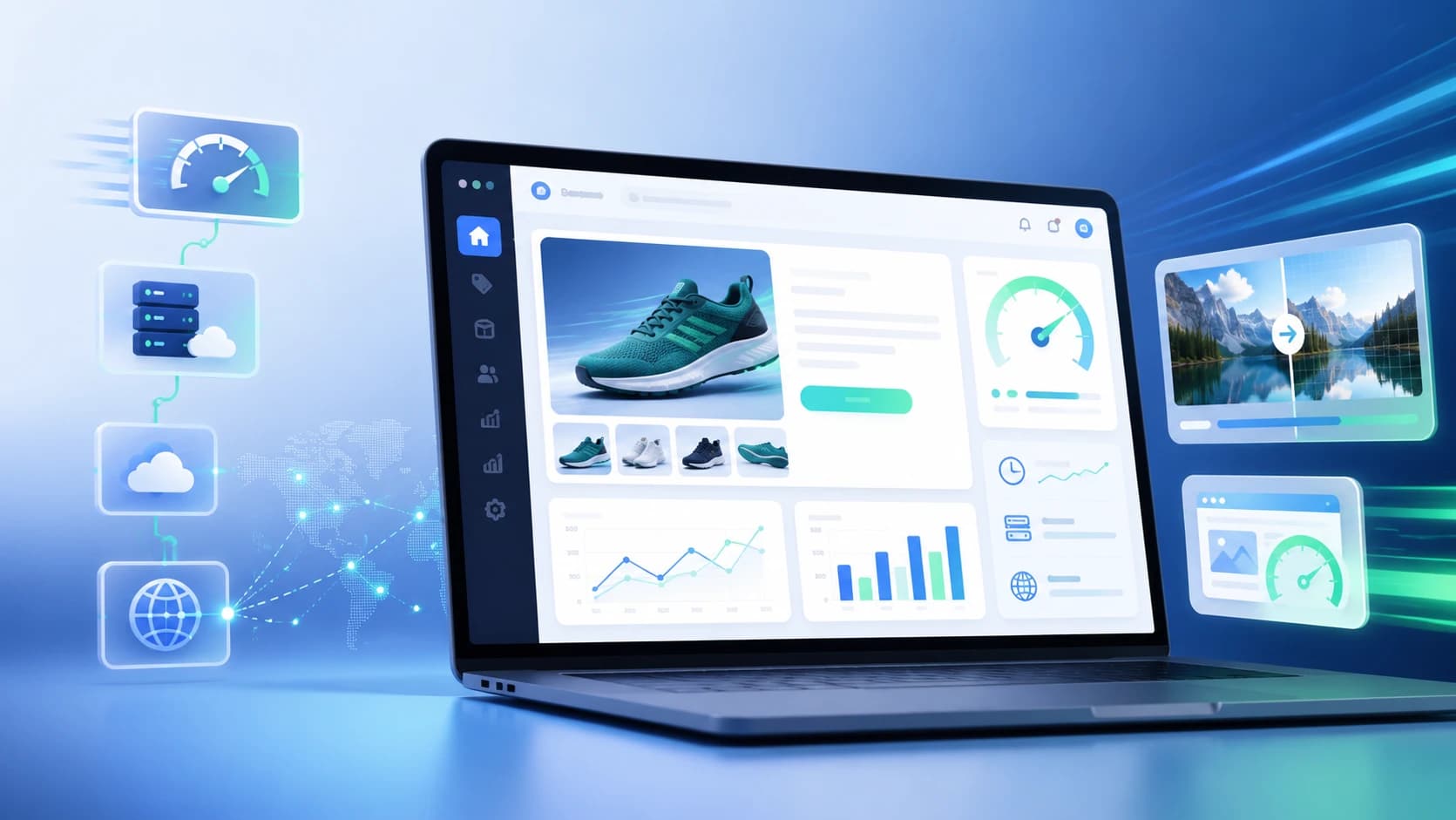
A good search setup still fails if the store is slow or clumsy to use on mobile. Search is often used during high-intent browsing sessions, and delays feel more expensive at that moment. If filters are hard to use, results shift awkwardly, or the search experience feels heavy, customers will often exit rather than troubleshoot the store for you.
This is why search quality should be reviewed together with performance and mobile UX. Our guide on how to speed up your Shopify store is a useful companion if technical weight is also affecting discovery.
Ready to improve your Shopify store?
Get a sharper plan for Shopify growth.
Talk through theme decisions, speed issues, merchandising, product discovery, and conversion improvements with the Zeroradius team.
Final Thoughts
Shopify search is not just a convenience feature. It is one of the clearest conversion tools in the store because it serves customers who are already trying to get closer to a purchase. Better product titles, stronger descriptions, useful synonyms, cleaner filtering, and smarter analytics all help turn search into a more effective commercial system.
When discovery improves, the catalog usually feels stronger as a whole. Customers find what they want faster, frustration drops, and the store starts converting more of the demand it already has.
Have questions?
It is the system that helps control product search, filtering, recommendations, and the way products surface inside the store.
They help different customer search terms match the same or similar products, which improves relevance and reduces missed opportunities.
Common reasons include weak product titles, thin descriptions, missing synonyms, poor tagging, or filters that do not reflect how customers actually browse.
Yes. Better search helps customers find the right products faster, which reduces friction and supports stronger buying behavior.