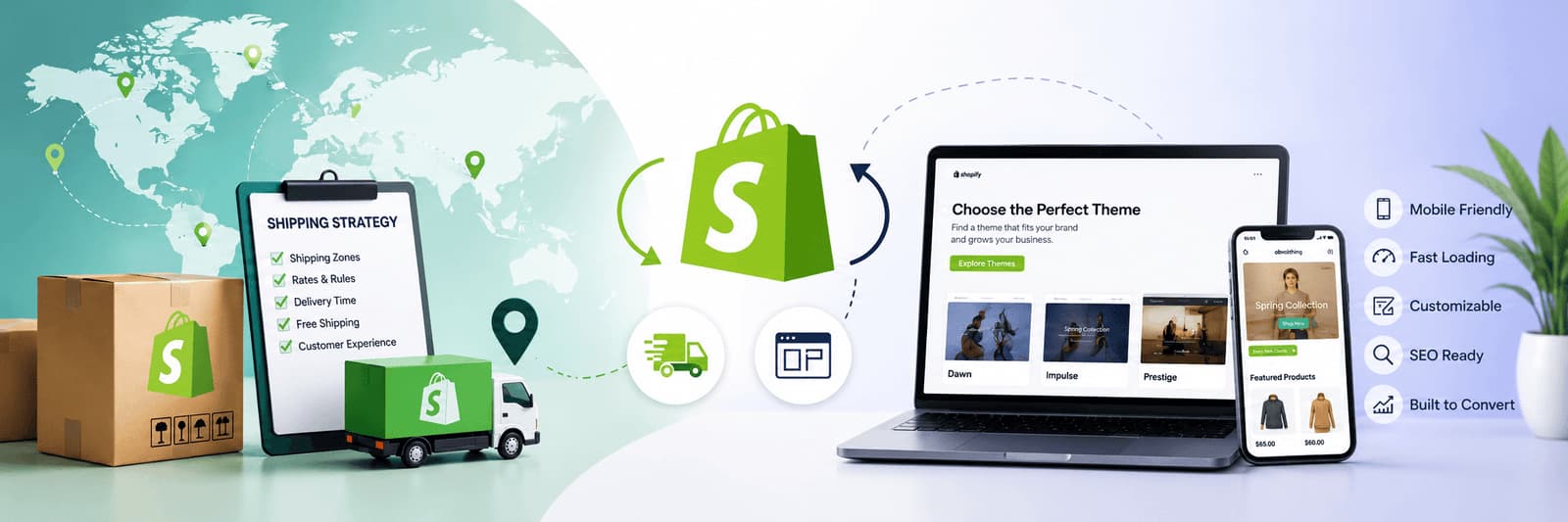
Shipping is one of the quietest drivers of ecommerce conversion. Customers may never mention it when they talk about why they trust a store, but they react to it constantly. If delivery feels expensive, confusing, delayed, or unpredictable, even an interested buyer can abandon the order at the last moment. That is why shipping should never be treated as a background setting inside Shopify. It is part of the store experience.
A strong shipping strategy balances two things at the same time. It has to be clear enough that the customer feels confident completing the order, and practical enough that the business does not quietly destroy its margin while trying to appear generous. The best shipping setups are not always the cheapest. They are the ones that feel understandable, fair, and consistent.
For growing brands, shipping can affect conversion rate, average order value, repeat purchase confidence, and even support workload. When delivery information is handled well, checkout friction drops. When it is handled badly, customers hesitate even when they want the product.
Why Shipping Strategy Matters More Than Many Store Owners Realize
Store owners often focus most of their energy on product presentation, ads, homepage design, and campaign messaging. All of those matter. But shipping becomes the moment where the customer tests whether the store feels straightforward. They want to know what they will pay, when the order will arrive, whether delivery is available in their location, and whether there are hidden surprises waiting at checkout.
If those questions are answered late, vaguely, or inconsistently, the store begins to feel less trustworthy. A smoother shipping experience supports the same thing that strong ecommerce UX supports generally: confidence.
This is why shipping language should be treated as part of the customer journey rather than as back-office administration. Clarity at this stage often prevents hesitation later.
If your team is planning or restructuring a store more broadly, Zeroradius also offers Shopify website development services focused on usability, performance, and conversion.
Make Shipping Costs Clear Before Checkout
Unexpected cost is one of the most common reasons people leave a cart. The customer may be comfortable with the product price, but the total experience changes the moment shipping feels higher than expected or appears too late in the journey. This is not just about expense. It is about surprise.
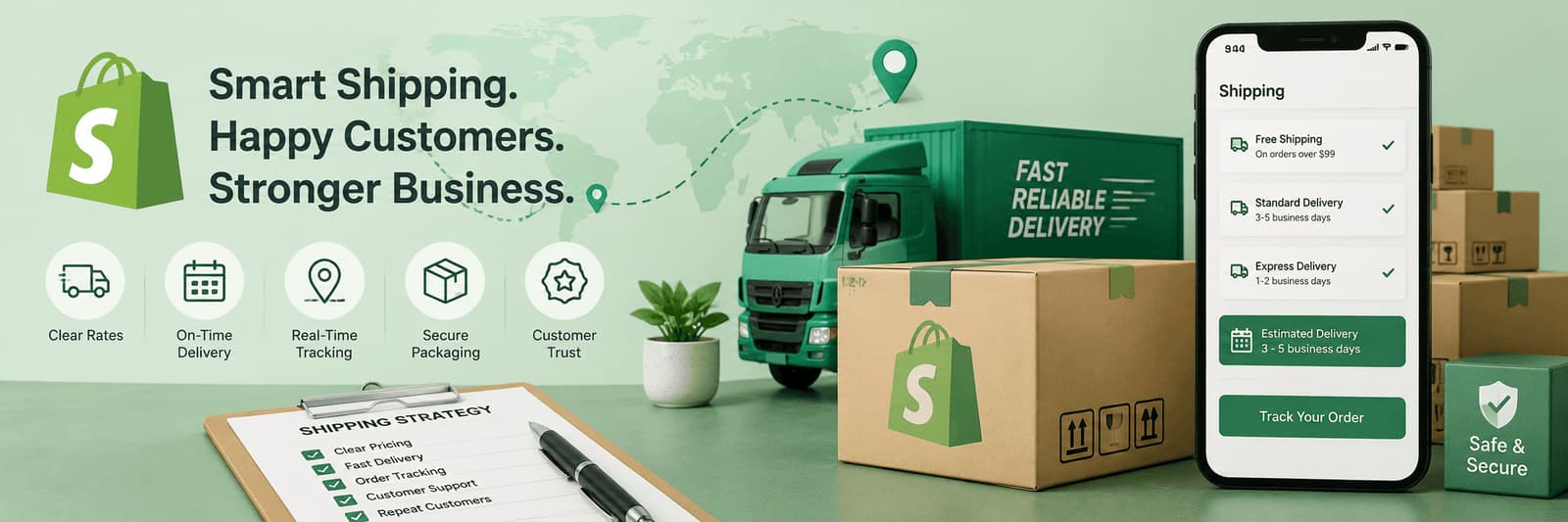
That is why shipping information should be surfaced earlier whenever possible. Product pages, cart pages, announcement bars, policy pages, and FAQs can all help set expectations. Even a short line such as “Free shipping on orders above $49” or “Delivery charges calculated at checkout based on location” can reduce uncertainty.
The goal is not to overwhelm the customer with logistics. It is to make the store feel honest.
Use Shopify Shipping Profiles to Reflect Real Costs, Not Oversimplified Guesswork
Not all products cost the same to deliver. That sounds obvious, but many stores still use overly broad shipping logic that ignores differences in size, weight, fragility, or fulfillment constraints. Shopify shipping profiles are useful because they allow merchants to apply more accurate rules where the product mix genuinely requires it.
This becomes important when some products are light and easy to ship while others are bulky, fragile, region-specific, or margin-sensitive. A better profile setup lets the business stay fairer to the customer without absorbing unnecessary cost blindly. The key is not to make the rules clever. It is to make them manageable. If shipping logic becomes too complicated for the team to maintain, operational confusion usually follows.
Free Shipping Works Best When It Is Strategic
Free shipping is attractive because customers understand it instantly. But free shipping is not free to the business, and that is where many stores make costly decisions. Offering it without checking margins, packaging cost, courier rates, return behavior, and average order value can create a promotion that looks strong on the surface but weakens the economics of the store behind the scenes.
The most effective use of free shipping is usually structured. A threshold above average order value is a common example because it encourages larger baskets while still protecting contribution margin. Limited-time offers, selected collections, local delivery incentives, or loyalty-based shipping perks can also work well when they are grounded in actual numbers rather than guesswork.
Customers do respond well to free shipping, but they respond best when the store is using it intentionally rather than desperately.
When free shipping is poorly planned, it can quietly train customers to expect a promise the business cannot sustain profitably. That is why the commercial logic behind it matters just as much as the marketing appeal.
Delivery Expectations Should Be Specific, Not Promotional
Shipping strategy is not only about price. It is also about timing. Many stores lose trust by speaking too generally about delivery. Phrases like “fast shipping available” sound reassuring, but they often do not answer the customer’s real question. People usually want a practical expectation, not marketing language.
Clear delivery windows, processing timelines, and region-specific expectations help buyers decide with more confidence. They also reduce support requests because customers are not forced to guess when their order may arrive. Even when the shipping window is not especially fast, clarity usually performs better than vagueness.
Your Shipping Policy Should Be Easy to Read
Every Shopify store should have a shipping policy page, but many of them are written like legal placeholders rather than customer-facing explanations. A better policy page helps the user understand delivery locations, processing time, shipping charges, tracking expectations, delays, and exceptions without digging through complicated wording.
The strongest policy pages feel like support content rather than compliance clutter. They are short enough to absorb quickly and clear enough to reduce doubt before checkout.
Shipping Can Be Used to Improve Conversion, Not Just Fulfillment
A good shipping strategy can actively support revenue. Threshold messaging, dispatch timing, local delivery clarity, and promotional shipping offers can all encourage customers to complete the order more confidently. This works especially well when the shipping message feels connected to the buying decision rather than pasted onto the page as an afterthought.
For example, a threshold that nudges customers above average order value can improve basket size. Clear local delivery messaging can reduce hesitation for nearby customers. Realistic same-day dispatch messaging can help where speed matters. The common thread is that the shipping offer should be believable and operationally sustainable.
Simpler Checkout Choices Usually Work Better
More shipping options do not always create a better experience. In many stores, too many choices create friction instead of flexibility. If the customer is forced to compare a long list of delivery methods with small wording differences, the checkout begins to feel heavier than it should.
For most stores, a small number of clearly differentiated options works better. Standard delivery, express delivery, and free shipping when eligible are often enough. The purpose of shipping options is to help the customer decide, not to turn checkout into a logistics menu.
Test the Real Checkout Experience, Not Just the Settings Panel
Shipping setup should always be tested end to end. It is not enough to trust that the rates are correct because the Shopify settings were configured. Real test orders reveal whether the logic behaves properly across products, regions, thresholds, mobile checkout, and customer-facing messaging.
This is especially important when stores use multiple profiles, offer promotional free shipping, or serve a mix of product types. The more variables in the shipping setup, the more important practical testing becomes.
Watch Shipping-Related Abandonment Closely
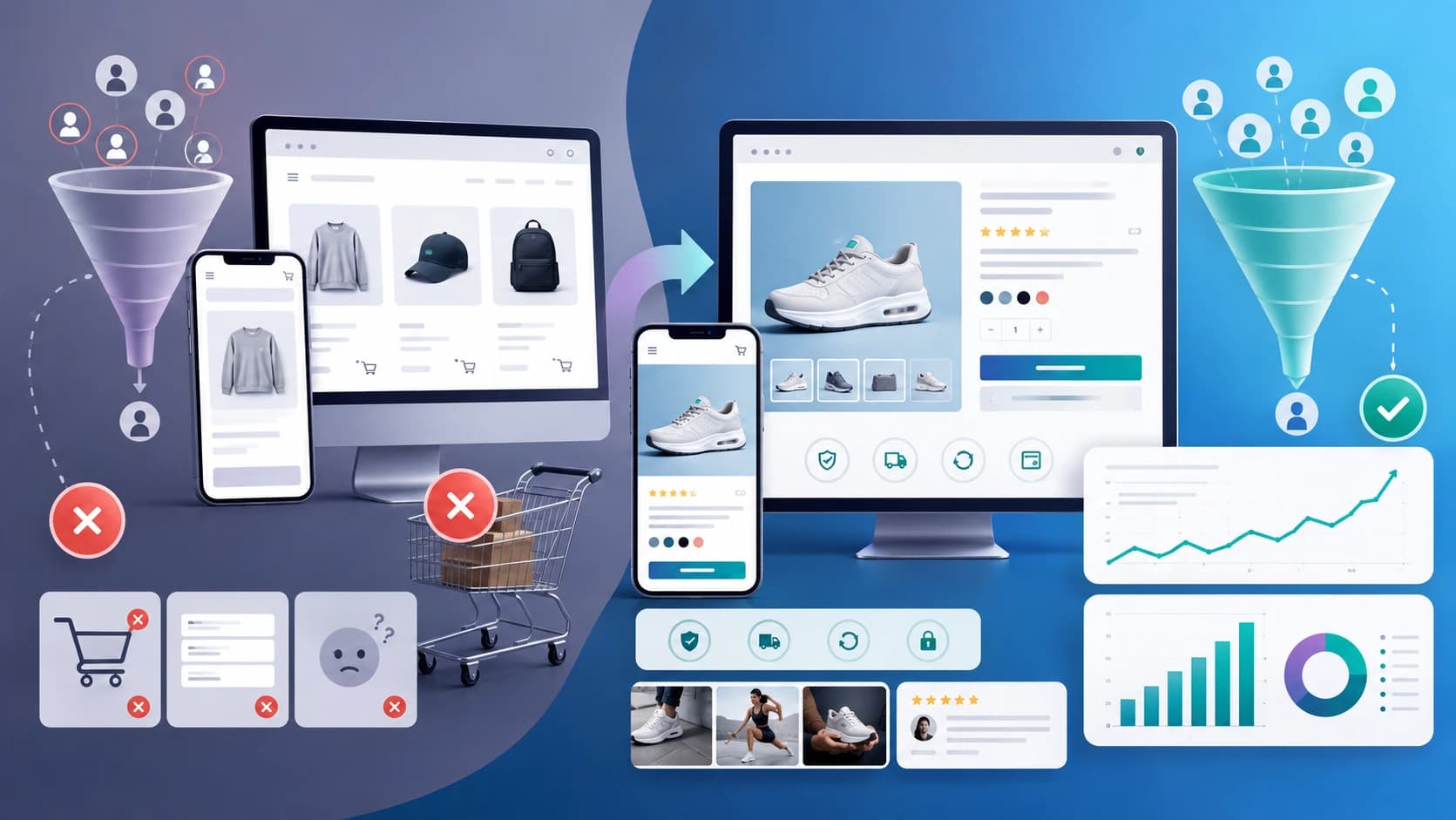
If a store has strong product interest but weak checkout completion, shipping may be part of the problem. High delivery cost, unclear expectations, poor mobile checkout presentation, or weak return confidence can all contribute to cart abandonment. That does not mean shipping is always the only issue, but it is often one of the first areas worth reviewing.
In many cases, the product itself is not the reason the user leaves. The total commercial experience is. That is why shipping strategy should be reviewed alongside pricing, return clarity, trust signals, and checkout UX. Our article on why Shopify stores fail to convert connects naturally with that wider picture.
Review Shipping as the Store Evolves
A shipping strategy that works at launch may not be the right strategy six months later. As the catalog grows, average order value changes, courier rates shift, or expansion into new markets begins, shipping logic often needs to evolve too. What starts as a flat-rate model may later need better segmentation, stronger carrier logic, or more deliberate threshold design.
This is one reason shipping should be reviewed regularly rather than treated as a one-time setup task. The stores that handle it well are usually the ones that keep adjusting it as the business changes.
As the business grows, shipping often shifts from a simple setting into a strategic lever. The teams that revisit it early usually avoid a lot of unnecessary checkout friction later.
Ready to improve your Shopify store?
Get a sharper plan for Shopify growth.
Talk through theme decisions, speed issues, merchandising, product discovery, and conversion improvements with the Zeroradius team.
Final Thoughts
A strong Shopify shipping strategy does not only protect margins. It improves trust, reduces checkout friction, and supports better conversion behavior. When customers understand what they will pay and when they will receive the order, buying feels easier. That confidence matters more than many stores realize.
Shipping works best when it is clear, simple, and commercially grounded. If it feels confusing to the customer or painful to manage internally, it usually needs a second look.
Have questions?
A Shopify shipping profile is a way to apply different delivery rules to different products or destinations so shipping costs and logic are more accurate.
Free shipping can work very well, but only when it is calculated carefully against margins, order value, and delivery cost rather than offered automatically.
The most common reasons are unexpected cost, unclear delivery timing, too many options, or a sense that the total order no longer feels worth completing.
Make cost and timing clearer before checkout, simplify options, test the full flow regularly, and review whether your shipping logic still fits the store as it grows.