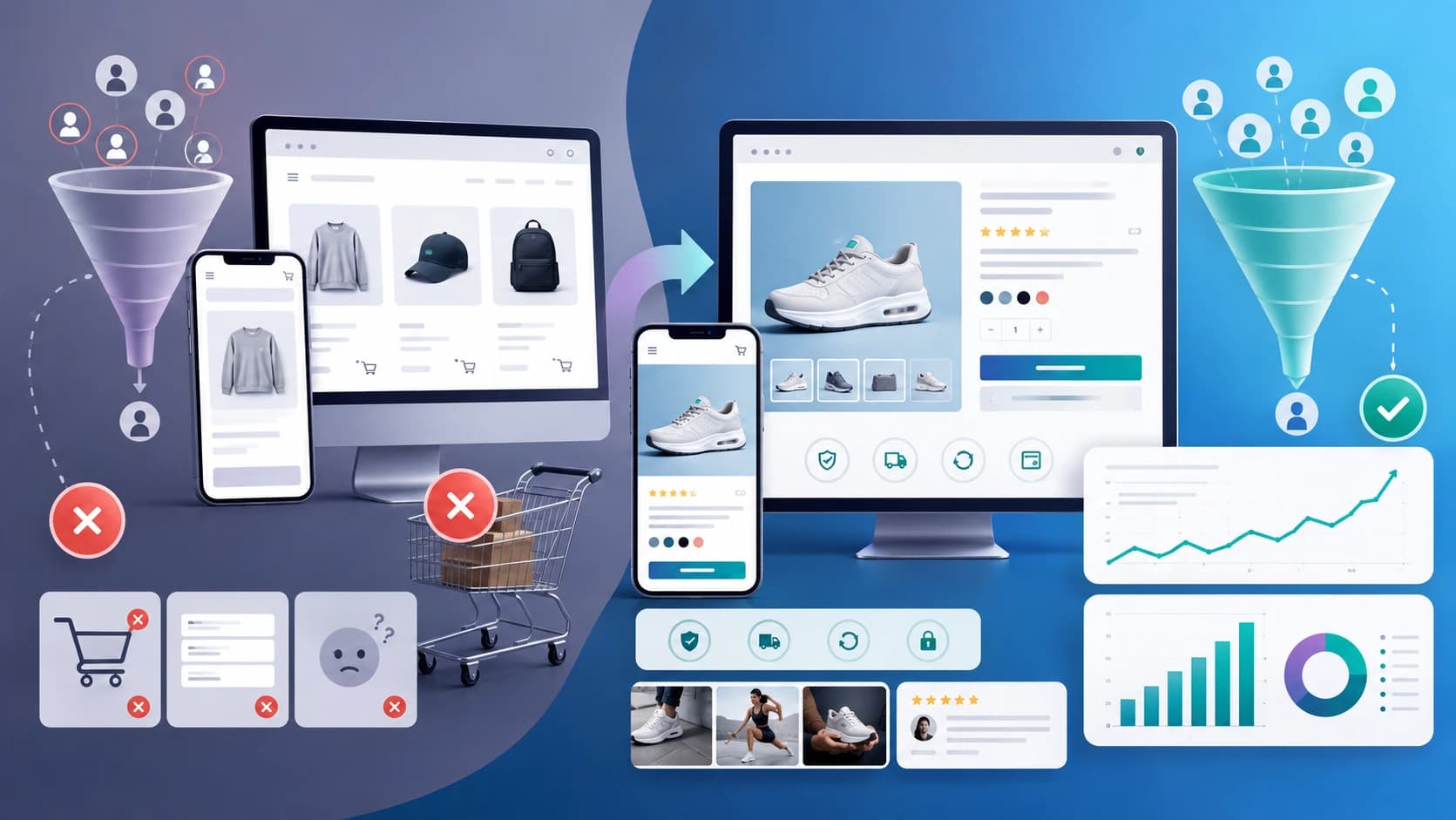

Most ecommerce teams are forced to optimize after the fact. They launch a page, change a layout, adjust a product template, or introduce a new flow, and then wait for analytics to reveal what went wrong. That approach works, but it also means the store is learning from real customer friction after it has already happened.
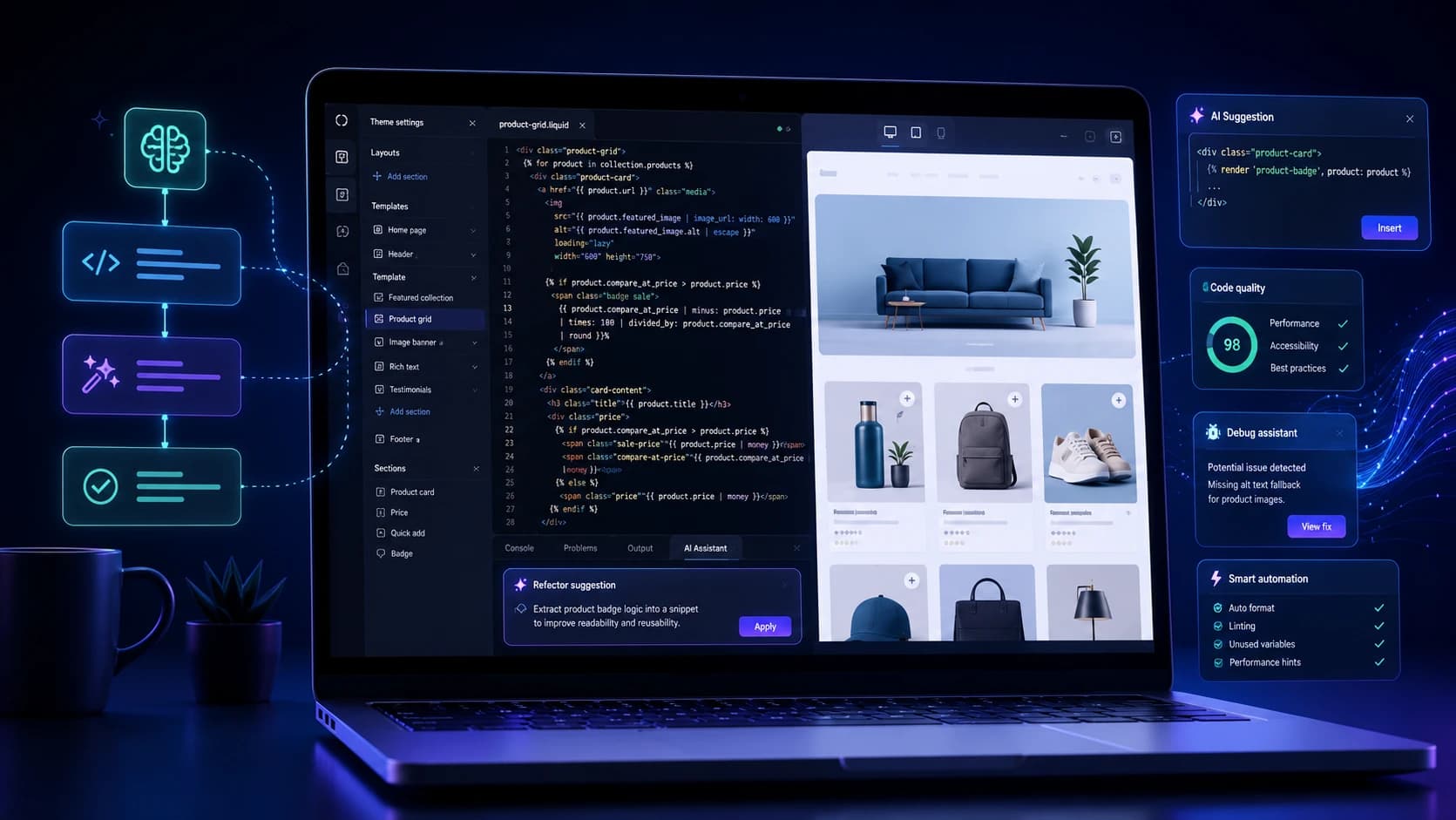
The appeal of a tool like Shopify SimGym is that it suggests a more predictive model. Instead of relying only on past behavior, merchants can simulate how users might move through a store, where hesitation may appear, and what kinds of design or merchandising changes are more likely to support conversion. If that promise holds up, it changes optimization from a reactive exercise into a more informed planning process.
What Shopify SimGym Is Meant to Do
SimGym is positioned as a way to model customer behavior before a change is rolled out widely. In practical terms, that means testing likely interactions across key store journeys such as homepage browsing, product-page engagement, navigation paths, and conversion flows. Rather than waiting for live traffic to reveal weak spots, the merchant gets an earlier signal about which experience may perform more smoothly.
The real value of that idea is not prediction for its own sake. It is the ability to make store decisions with less guesswork.
Why Predictive Testing Matters for Shopify Stores
Traditional analytics tools tell you what already happened. Heatmaps, recordings, and conversion reports are useful, but they are retrospective. They help the team diagnose real-world behavior once users have already encountered the friction. Simulation tools aim to add another layer by helping merchants compare likely outcomes before the change reaches everyone.
That is especially helpful for stores that are redesigning important templates, launching a new theme, changing cart behavior, or adjusting the path to checkout. Those decisions often carry real revenue risk, and pre-launch confidence is valuable when the cost of a mistake is high.
Where a Tool Like This Can Be Most Useful
Predictive simulation is usually most helpful on pages where user behavior directly affects revenue. Product pages, collection layouts, search results, cart experiences, and mobile navigation are strong examples because even small friction on these pages can have an outsized commercial effect. If SimGym helps a merchant spot hesitation earlier, it can shorten the optimization cycle considerably.
It can also be useful for agencies or in-house teams that need to compare alternative layouts before deployment. Being able to pressure-test more than one version before launch creates a more disciplined decision-making process.
It Should Complement Analytics, Not Replace It
A predictive tool is powerful only when it is treated as part of a wider optimization system. Simulation can help the team form better hypotheses, but live store data is still essential. Real user behavior, real device conditions, real acquisition sources, and real customer intent often introduce complexity that no simulation can fully capture.
The best use of a tool like SimGym is to improve the quality of pre-launch decisions, then validate those decisions with actual performance data once changes are live. That balance keeps the workflow practical.
Store Fundamentals Still Matter
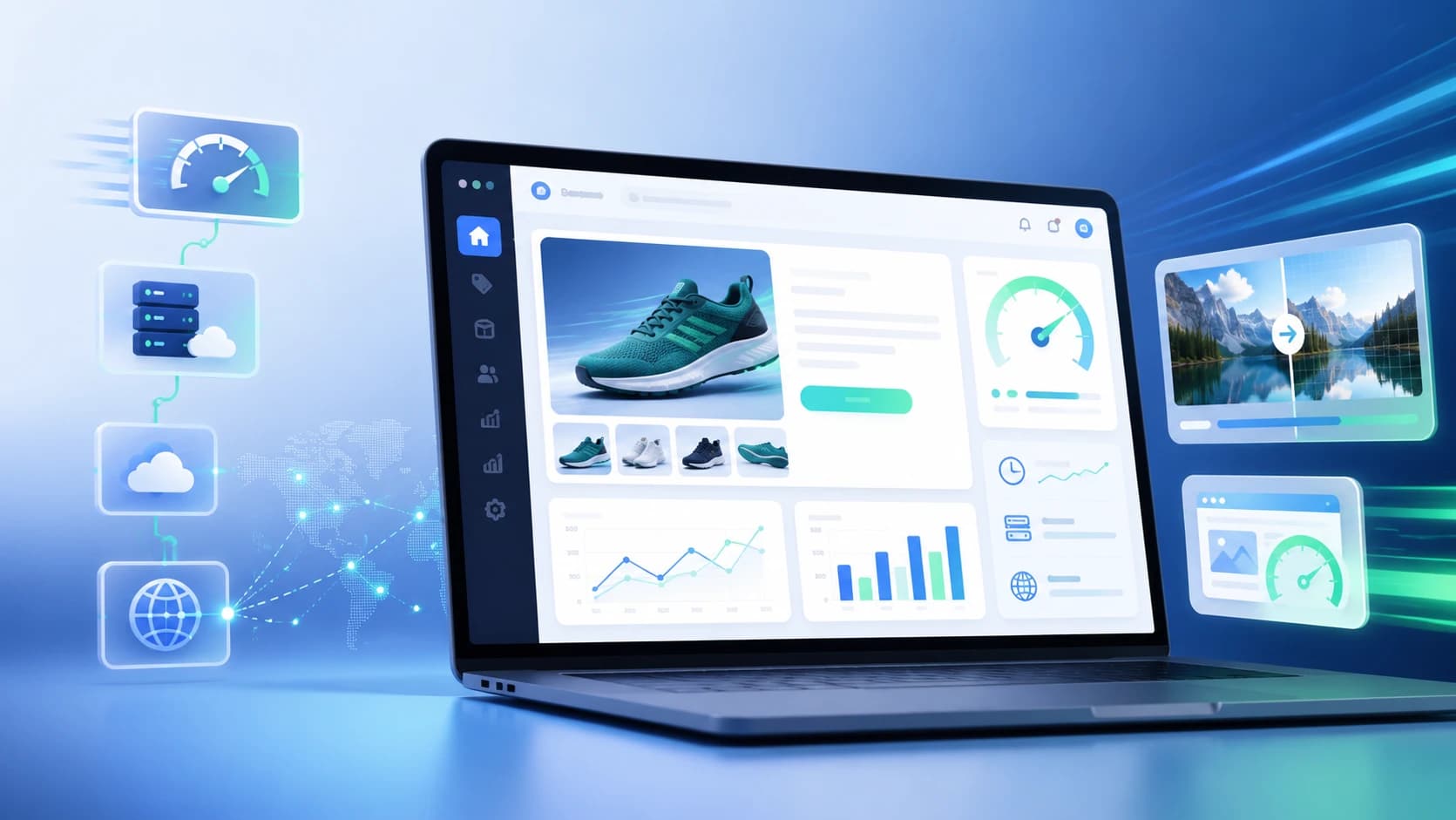
Predictive insight is useful, but it does not replace the need for strong UX, good product communication, and solid store performance. If the site is slow, the trust layer is weak, or the buying journey is confusing, simulation alone will not solve those deeper issues. It may help reveal them earlier, which is valuable, but the underlying work still needs to be done properly.
That is why tools like this create the most value for teams that are already serious about optimization. They amplify a disciplined process. They do not substitute for one.
What Merchants Should Watch Carefully
Any predictive tool should be judged by how well it translates into better real-world decisions. The most important question is not whether the simulation looks impressive. It is whether it helps the store avoid weaker layouts, reduce hesitation, and prioritize smarter changes. Merchants should compare simulation output with live behavior over time and treat the platform as a decision aid rather than a guarantee.
If the store is already working on conversion quality more broadly, our article on AI conversion optimization for Shopify is a useful related read.
Ready to improve your Shopify store?
Get a sharper plan for Shopify growth.
Talk through theme decisions, speed issues, merchandising, product discovery, and conversion improvements with the Zeroradius team.
Final Thoughts
Shopify SimGym is interesting because it points toward a more predictive approach to store optimization. Instead of learning only after customers struggle, merchants may be able to test and refine key experiences earlier in the process. That can reduce risk and create more confidence around high-impact changes.
The strongest long-term value will come from using predictive testing alongside live analytics, strong UX thinking, and ongoing conversion review. When those layers work together, optimization becomes much less reactive and much more strategic.
Have questions?
It is described as a predictive simulation tool that helps merchants model customer behavior and evaluate store changes before pushing them live.
Analytics mostly explains what users already did. SimGym is intended to help merchants estimate how users may respond before a change is launched broadly.
It can support better conversion decisions if it helps the store identify weaker journeys and choose better-performing layouts or flows before launch.
No. It works best as a complement to real analytics, testing, and customer-behavior review.