
How Zeroradius Builds High-Converting Ecommerce Websites
See how Zeroradius approaches high-converting ecommerce websites through strategy, UX, performance, platform decisions, and continuous improvement.

Zeroradius Blog
See how Zeroradius approaches high-converting ecommerce websites through strategy, UX, performance, platform decisions, and continuous improvement.

Learn why businesses choose Zeroradius for ecommerce development, including strategy, platform selection, UX, custom development, performance, and support.
Learn what Zeroradius does, who we work with, and how our team approaches ecommerce development, website design, branding, SEO, and digital growth.
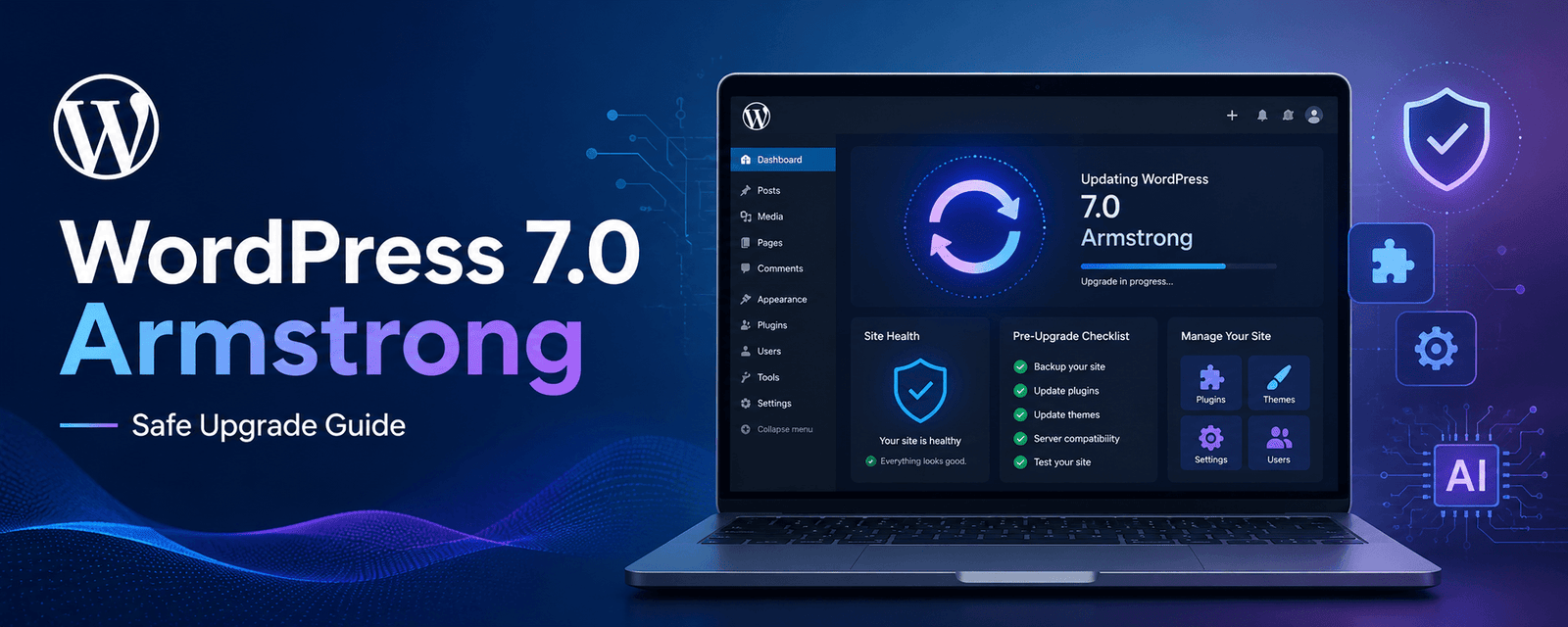
Learn what to check before upgrading to WordPress 7.0 Armstrong, including compatibility, backups, performance, plugins, editor changes, and rollout planning.

Compare livestream shopping platforms for ecommerce brands and learn how live selling can support product discovery, customer trust, engagement, and conversions.

Learn what native AI integration in WordPress 7.0 could mean for website owners, including content workflows, editing, SEO, governance, and practical adoption.
Learn whether FAQ schema still helps SEO and AI search in 2026, when to use it, what changed in Google results, and how structured data supports clarity.

Understand why Google I/O did not end SEO, how AI search may reduce clicks, and what businesses can do to protect visibility and qualified traffic.

A practical guide to improving your business visibility across ChatGPT, Gemini, and Perplexity through stronger SEO foundations, clearer service pages, trust signals, and AI-friendly content structure.

Learn how to rank in voice, visual, and AI search with better technical SEO, structured content, image context, conversational answers, and trust signals.

Learn the essential elements of a high-performing online store, from speed and mobile UX to trust signals, product pages, checkout, and post-launch optimization.

Learn how conversational SEO works in 2026 and how to optimize content for natural-language search, AI answers, search intent, and clearer website structure.
Learn how to build an AI content strategy in 2026 with stronger topic planning, search intent, editorial judgment, internal links, and content quality.

A practical guide to improving your chances of appearing in AI Overviews through better structure, trust signals, topical authority, technical quality, and clearer answers.

A practical guide to the trust signals that help websites perform better in AI-driven search, including content quality, business transparency, reviews, schema, speed, and authority building.

Learn how to prepare your website for Google AI Mode with stronger content structure, trust signals, technical SEO, schema, and AI-friendly answers.

Learn how to speed up a Shopify store in 2026 by improving themes, apps, images, JavaScript, Core Web Vitals, mobile UX, and ongoing performance habits.

Learn why Shopify stores fail to convert and how to improve product pages, navigation, speed, trust signals, checkout flow, mobile UX, and customer clarity.
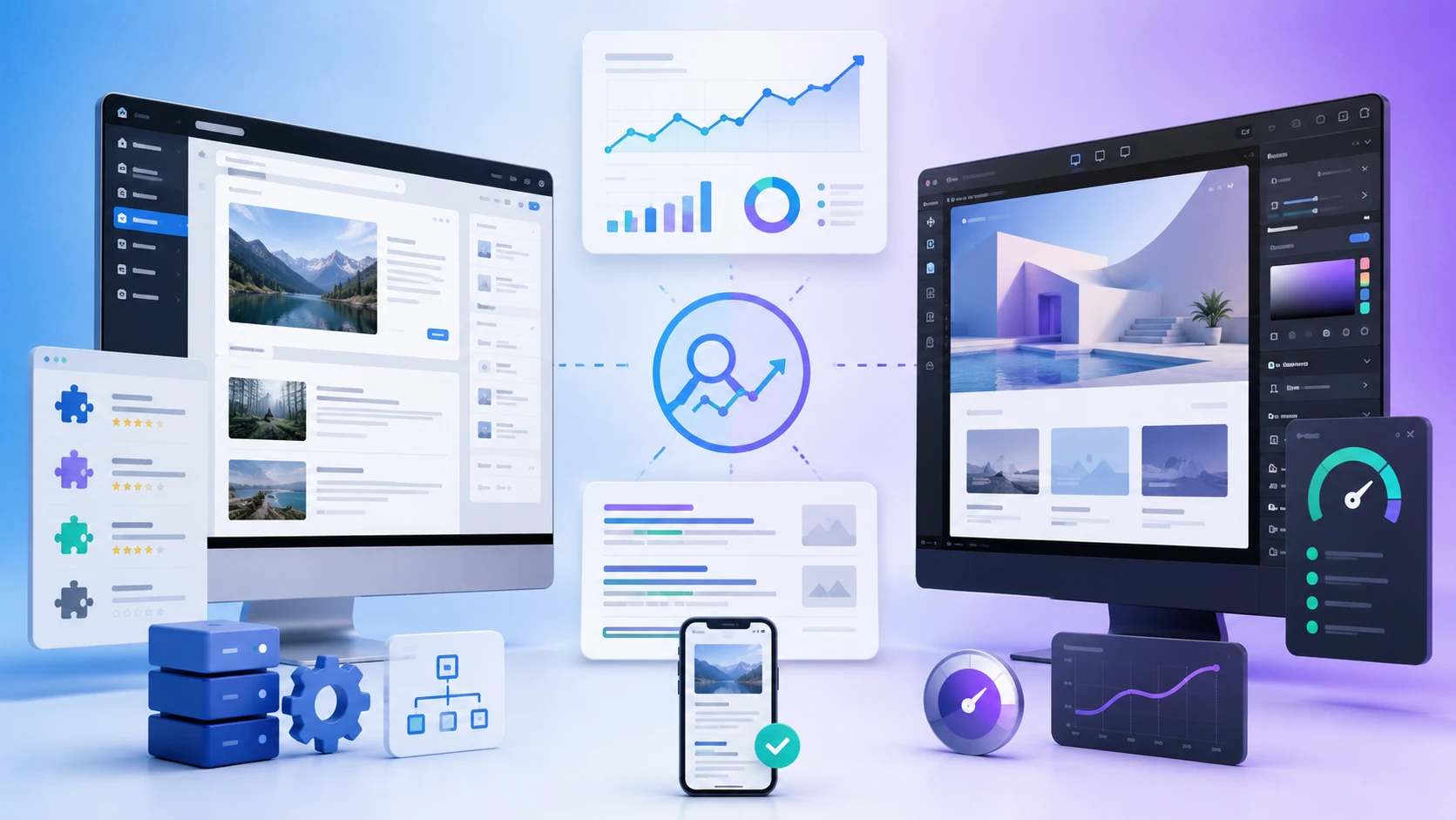
A practical comparison of WordPress and Webflow in 2026, with a focus on SEO flexibility, content growth, performance, workflow, and long-term scalability.

A practical explanation of how AI search is changing SEO in 2026, including what shifts from traditional ranking logic, what still matters, and how websites should adapt.
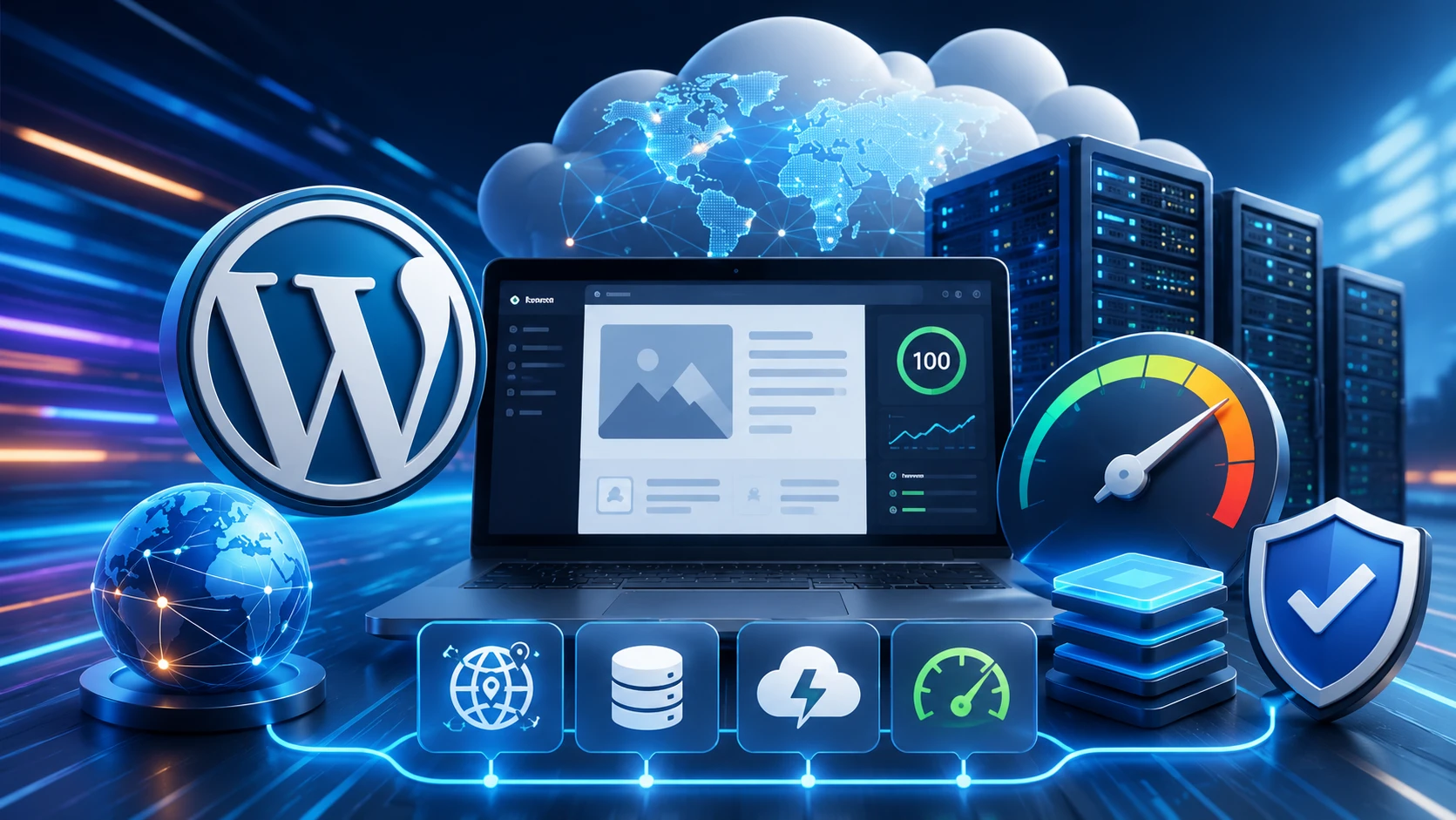
A practical guide to building a strong WordPress performance stack using caching, CDN delivery, edge optimization, image handling, and careful plugin discipline.

What website owners should know about AI agents crawling pages in 2026, including what they are collecting, how this differs from traditional crawling, what to review in robots and policy decisions, and how to respond strategically.

A practical guide to securing a WordPress website in 2026, including updates, backups, plugin discipline, login protection, hosting, and the mistakes that create the most risk.
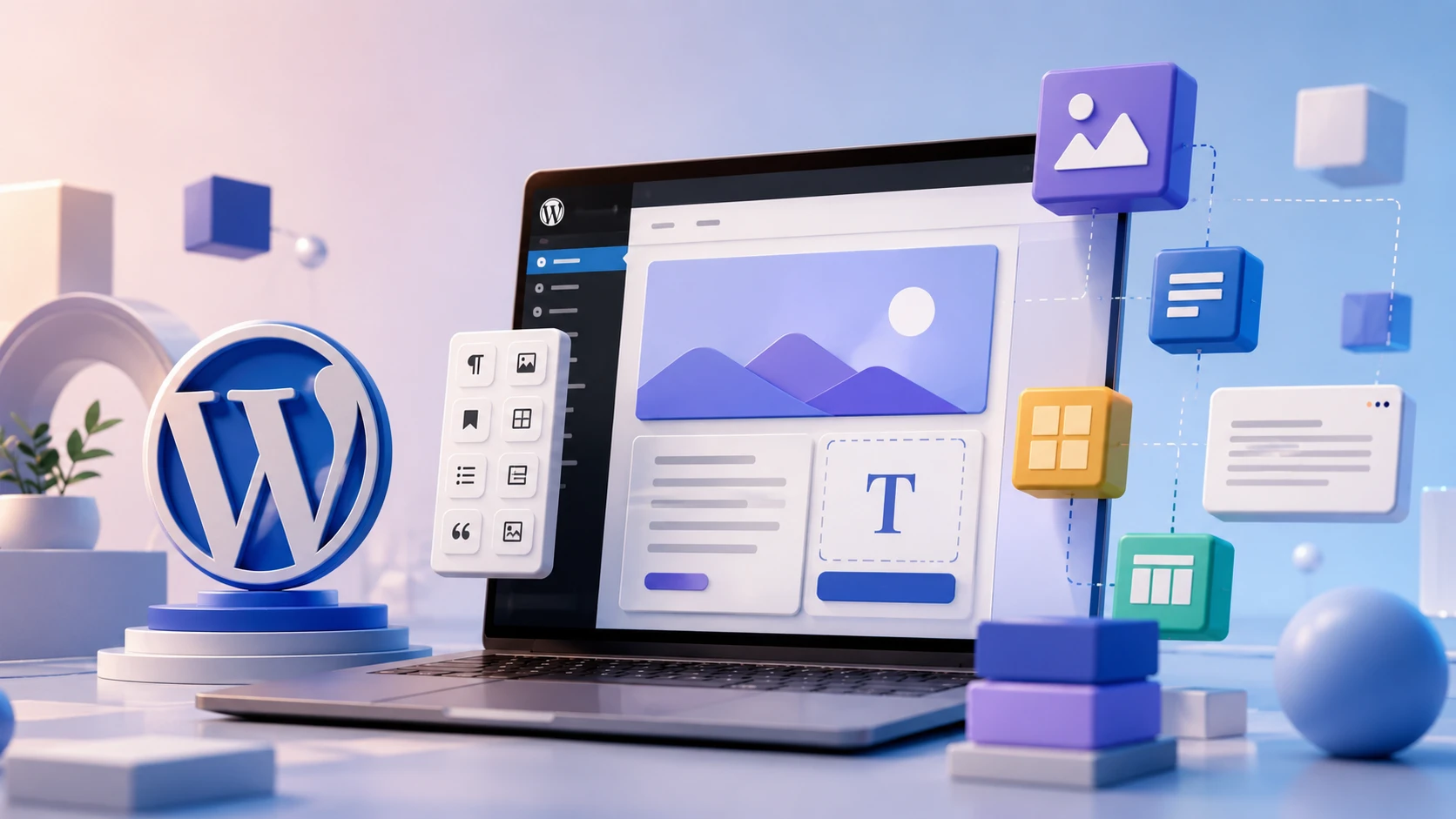
A practical explanation of why WordPress is moving toward block-based architecture, what that means for performance and editing, and when businesses should consider adopting it.