
Running a Shopify store usually means juggling two kinds of work at once. There is the visible growth work merchants expect, such as launches, campaigns, pricing, and merchandising. Then there is the quieter operational work that fills the day: writing product content, interpreting performance, checking what changed, answering recurring questions, and deciding what deserves attention next. That second layer is where a lot of store energy disappears.
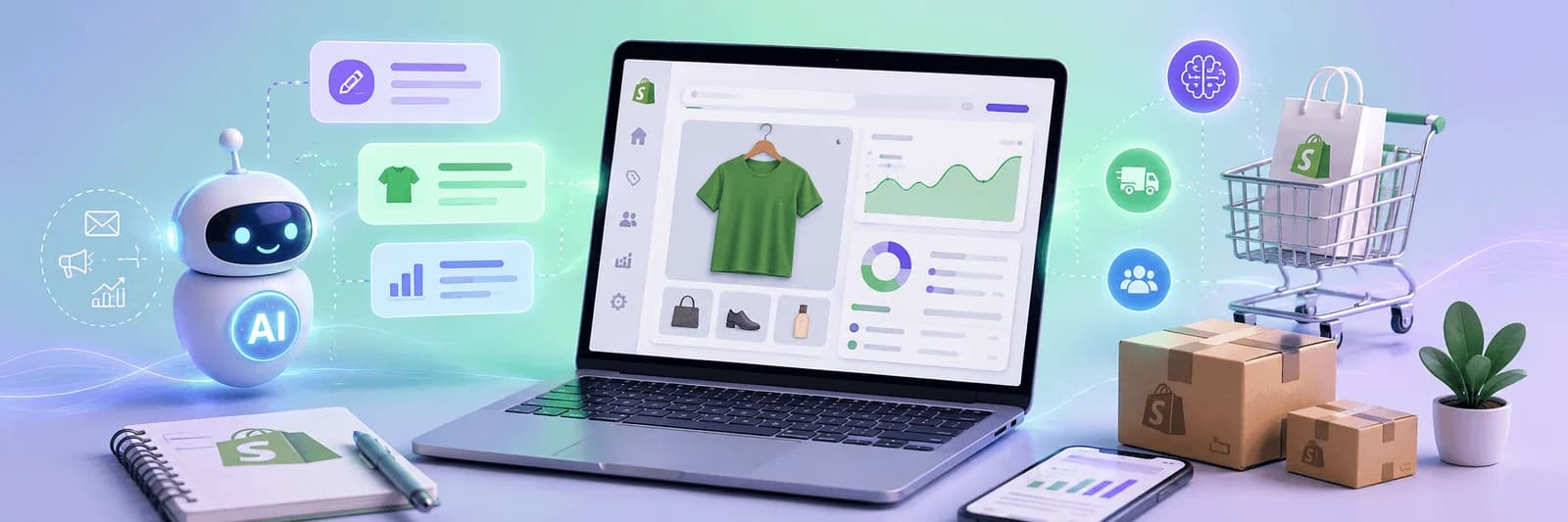
Shopify Magic and Sidekick matter because they reduce some of that drag. Not by replacing the merchant, and not by magically turning every store into a high performer, but by making common store tasks faster and easier to move through. That gives the team more room to spend time on strategy, UX, product presentation, and growth decisions rather than repetitive admin work.
Shopify Magic Helps With the Repetitive Content Layer
One of the clearest uses of Shopify AI is content drafting. Product descriptions, email copy, first-pass page text, and other repeatable store content can take far more time than merchants expect, especially when there are many products or frequent launches. Shopify Magic shortens that process by helping the merchant generate usable drafts inside the store environment itself.
That speed is valuable, but only when it leads to better store quality rather than generic output. The most useful way to treat Shopify Magic is as a drafting assistant, not a final voice. It helps remove blank-page friction and gives teams a faster starting point, but the strongest stores still edit for accuracy, tone, and conversion clarity.
The same principle applies to AI product descriptions for Shopify: speed only matters when the final copy still sounds credible and useful.
Sidekick Matters Because It Reduces Decision Friction
If Shopify Magic helps with output, Sidekick helps with interpretation. Many merchants already have data, but they do not always have fast access to understanding. Sales patterns, traffic changes, product performance, and operational questions can all create mental overhead because the answers are buried across dashboards or reports.
Sidekick becomes valuable when it shortens the path from question to next action. Instead of forcing the merchant to dig through multiple panels, it helps surface context more quickly and makes the store feel easier to manage. That kind of assistance is especially useful for lean teams, where the same person may be handling marketing, operations, and store management at the same time.
Together, They Help Small Teams Behave More Like Larger Ones
The biggest commercial advantage of tools like Magic and Sidekick is not that they sound advanced. It is that they let a small team move with less delay. Drafting becomes easier, basic analysis becomes faster, and the merchant can spend more time on work that actually influences revenue.
For a solo founder or a small ecommerce team, this can feel like gaining a content assistant and an operational aide without immediately increasing headcount. That does not remove the need for judgment, but it changes how much of the day is consumed by repetitive execution.
Better Internal Workflows Usually Improve the Customer Experience Too
These tools do not only help the store owner. They also affect the customer experience indirectly. Faster content workflows often lead to better product pages. Easier interpretation can lead to quicker fixes when something is underperforming. Better support for store decisions can improve the way promotions, recommendations, and merchandising are handled.
In that sense, Shopify AI becomes valuable when it helps the merchant run a cleaner store. Customers do not care whether a workflow is AI-assisted. They care whether the product page is clearer, whether the store feels more helpful, and whether the overall experience is easier to trust.
AI Support Still Needs a Strong Store Foundation
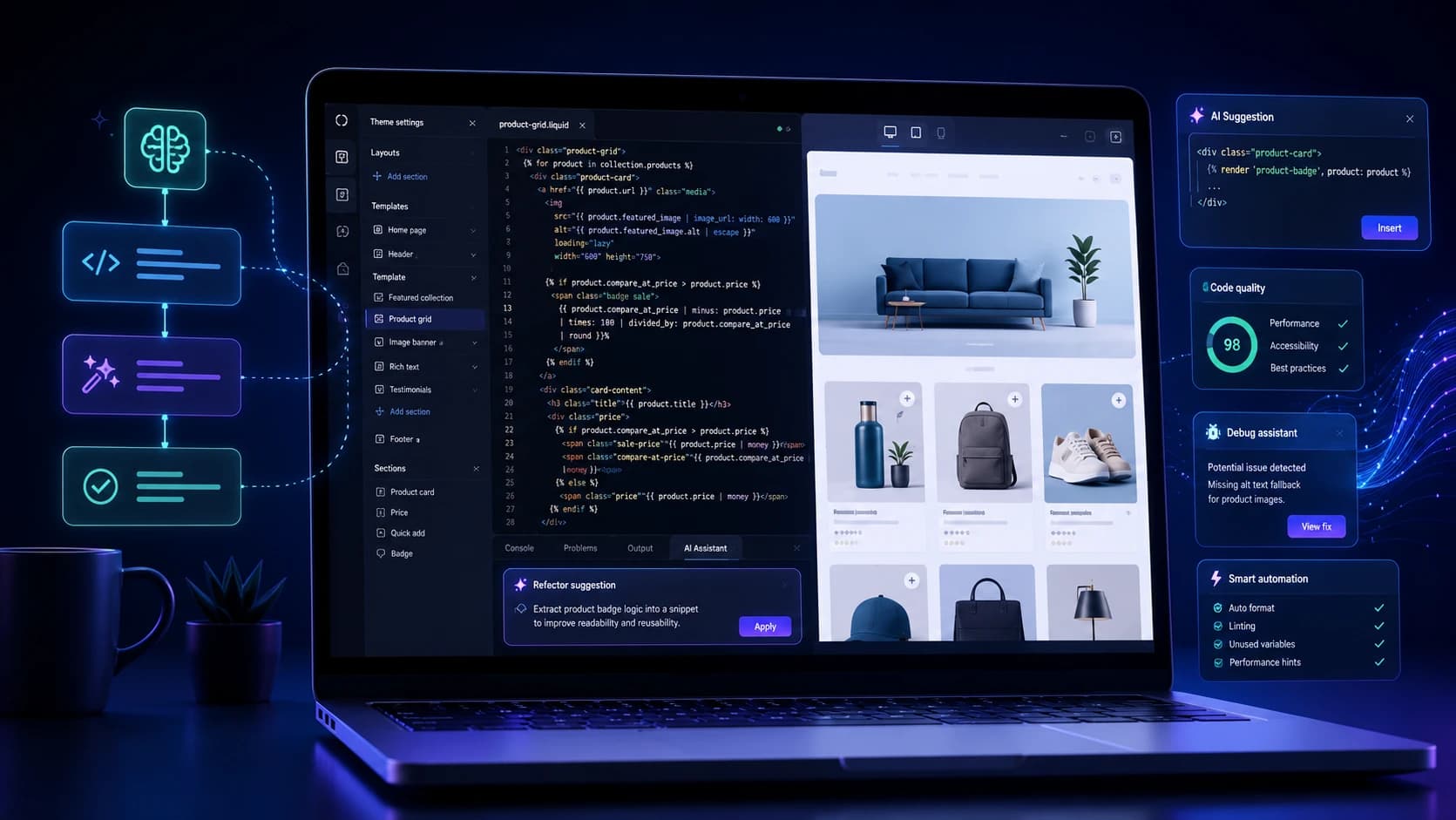
Shopify Magic and Sidekick can improve speed and decision support, but they cannot repair a weak store foundation by themselves. If the site is slow, the product pages are vague, the trust layer is thin, or the customer journey is confusing, those issues still need proper UX, content, and technical work.
This is why the best use of Shopify AI usually happens inside a disciplined store strategy. Automation helps most when it is amplifying a business that already cares about structure, clarity, and customer understanding.
Ready to improve your Shopify store?
Get a sharper plan for Shopify growth.
Talk through theme decisions, speed issues, merchandising, product discovery, and conversion improvements with the Zeroradius team.
Final Thoughts
Shopify Magic and Sidekick are useful because they reduce the operational drag that often slows ecommerce teams down. One helps with drafting and execution. The other helps with interpretation and store management. Together, they make it easier for merchants to spend more attention on the work that genuinely shapes growth.
Used well, these tools do not make Shopify feel less human. They make the team behind the store less overloaded. That is a much more valuable outcome than automation for its own sake.
Have questions?
Shopify Magic is an AI-assisted feature that helps merchants generate and improve store content such as product descriptions and marketing drafts.
Sidekick helps merchants understand store context and answer operational questions more quickly, making everyday decision-making easier.
They can support sales by improving speed, content quality, and store decision-making, but results still depend on the wider store experience.
Yes. Much of their value comes from making common store tasks easier for merchants who do not want unnecessary complexity.