
We begin by understanding your products, customers, commerce platform, content needs, integrations, business workflows, and growth goals.
Headless Commerce Development
Build a faster, more flexible commerce experience with headless architecture that separates your storefront from the commerce backend.
Why Headless Commerce Development Matters for Your Business
Traditional commerce platforms can make it difficult to create highly customized digital experiences as your business grows.
A headless approach separates the presentation layer from the commerce engine, giving your team greater freedom to build and evolve the storefront without being tightly constrained by the backend.
With the right architecture, headless commerce can support faster frontend experiences, flexible content management, connected customer journeys, and more adaptable digital experiences across channels.
At Zeroradius, we design headless commerce solutions around your existing technology stack, commerce requirements, integrations, and customer experience goals so the architecture supports the way your business actually operates.
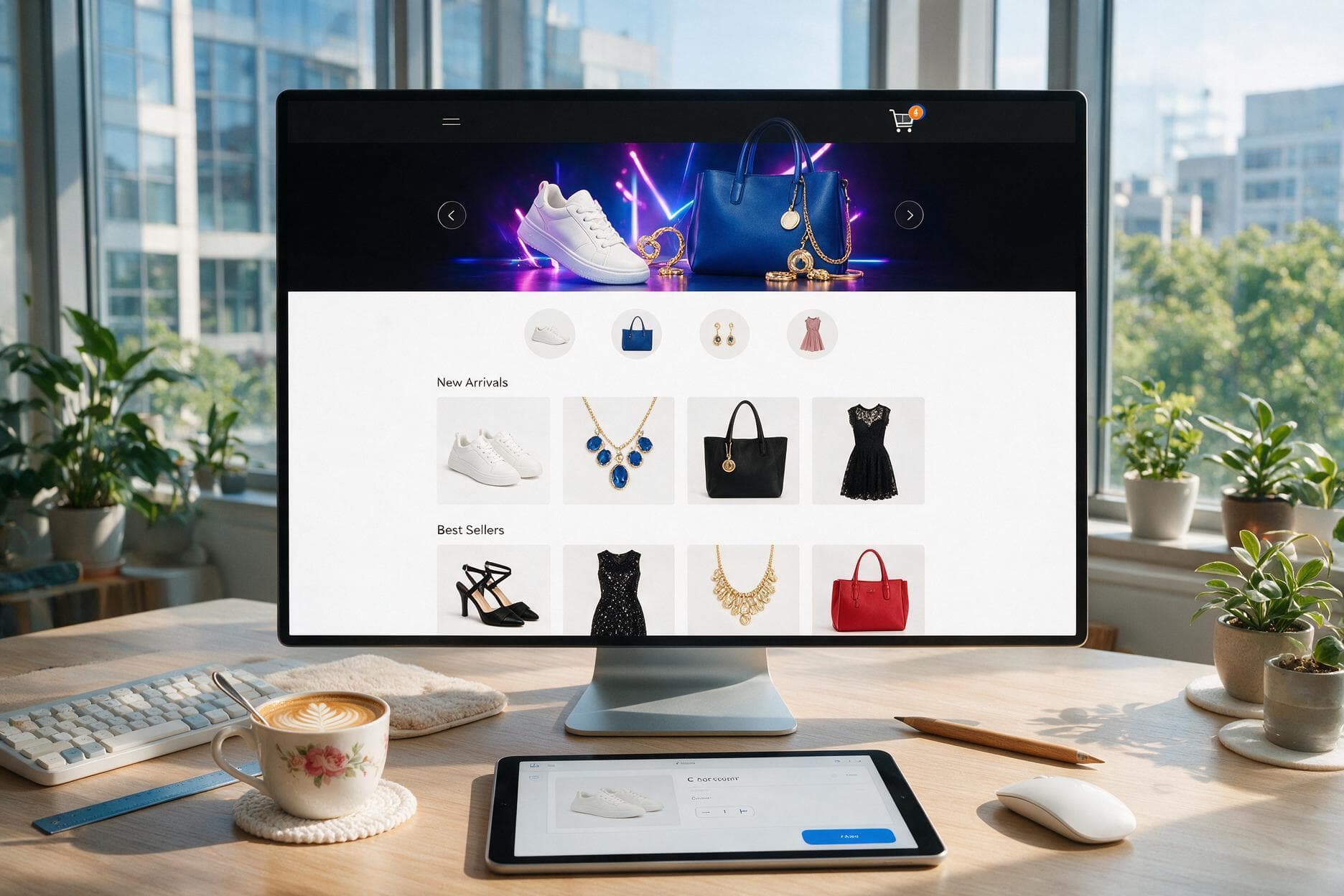
Technology benefits
Traditional commerce platforms can make it difficult to create highly customized digital experiences as your business grows.
Our Process
We approach headless commerce development as a structured architecture and implementation process that connects storefront strategy, APIs, content, integrations, performance, and long-term maintainability.
We define the decoupled architecture, frontend-backend responsibilities, API flows, content model, and supporting systems needed for the project.
We shape the frontend around product discovery, performance, responsive shopping behavior, SEO, and the user journeys that matter most to your business.
We build the frontend using technologies such as Next.js and React while connecting it to the commerce engine and supporting services through APIs.
We connect the storefront with CMS platforms, ERP, CRM, payment services, fulfilment, inventory, analytics, and other required business systems.
We test storefront behavior, APIs, content delivery, responsiveness, performance, and important customer journeys before launch.
We prepare the solution for deployment and can continue supporting it through enhancements, optimization, integrations, and future channel expansion.

Work With Zeroradius
Build a Commerce Architecture Ready to Grow
Your commerce architecture should support more than today's storefront. Zeroradius helps businesses plan and develop headless commerce solutions that connect the frontend experience with the systems behind the business.
Traditional commerce platforms can limit how quickly teams evolve the customer-facing experience because the storefront and commerce engine remain tightly coupled. A headless architecture separates those layers so the frontend can move faster while the backend continues handling products, checkout, orders, and core commerce operations.
Insights
View All Articles
Featured Article
BigCommerce Development Services by Zeroradius
Explore BigCommerce development services from Zeroradius, including storefront UX, custom development, integrations, migration, SEO, and performance support.
Read Article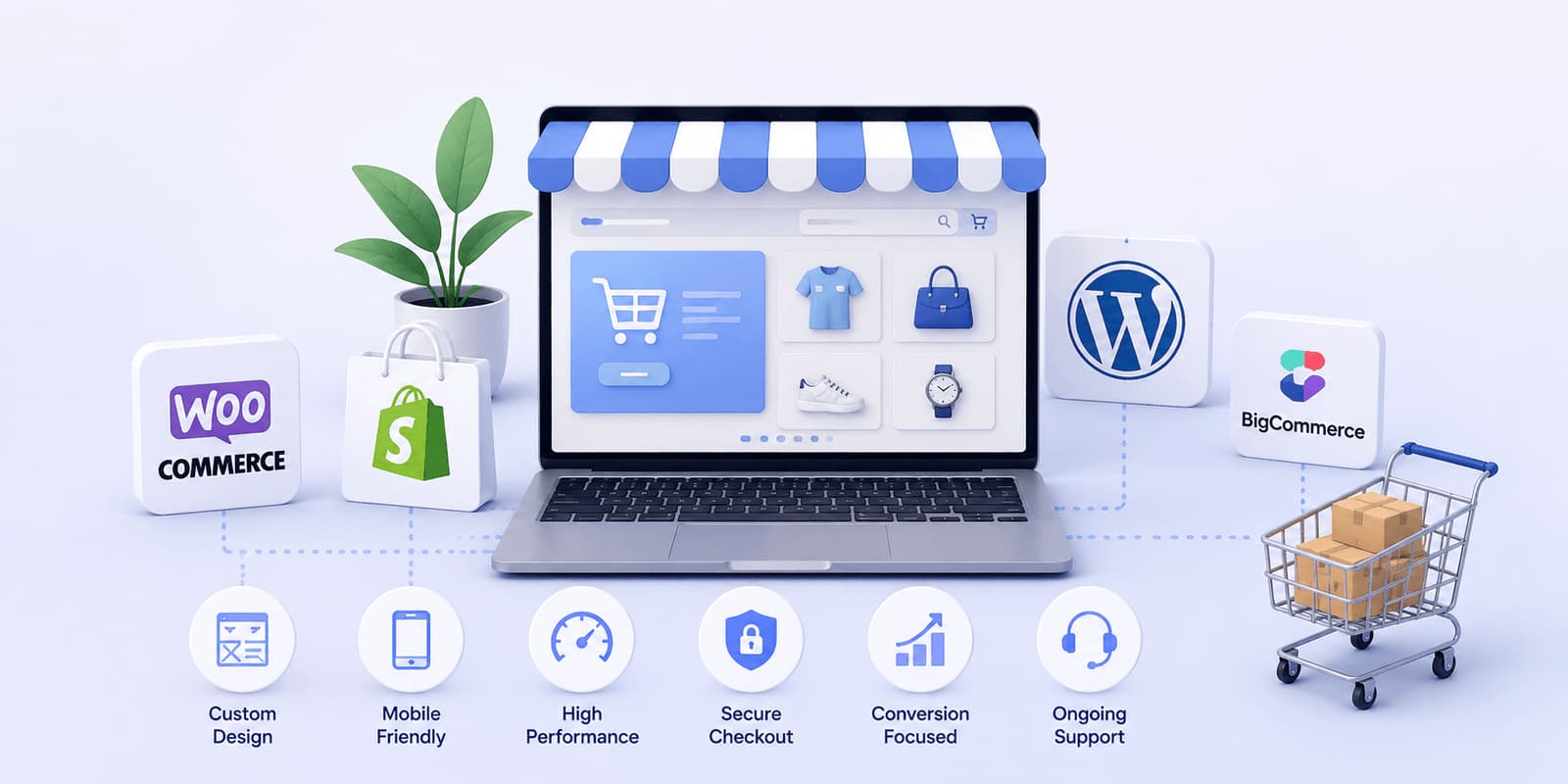
Why Businesses Choose Zeroradius for Ecommerce Development
Learn why businesses choose Zeroradius for ecommerce development, including strategy, platform selection, UX, custom development, performance, and support.


How Zeroradius Builds High-Converting Ecommerce Websites
See how Zeroradius approaches high-converting ecommerce websites through strategy, UX, performance, platform decisions, and continuous improvement.
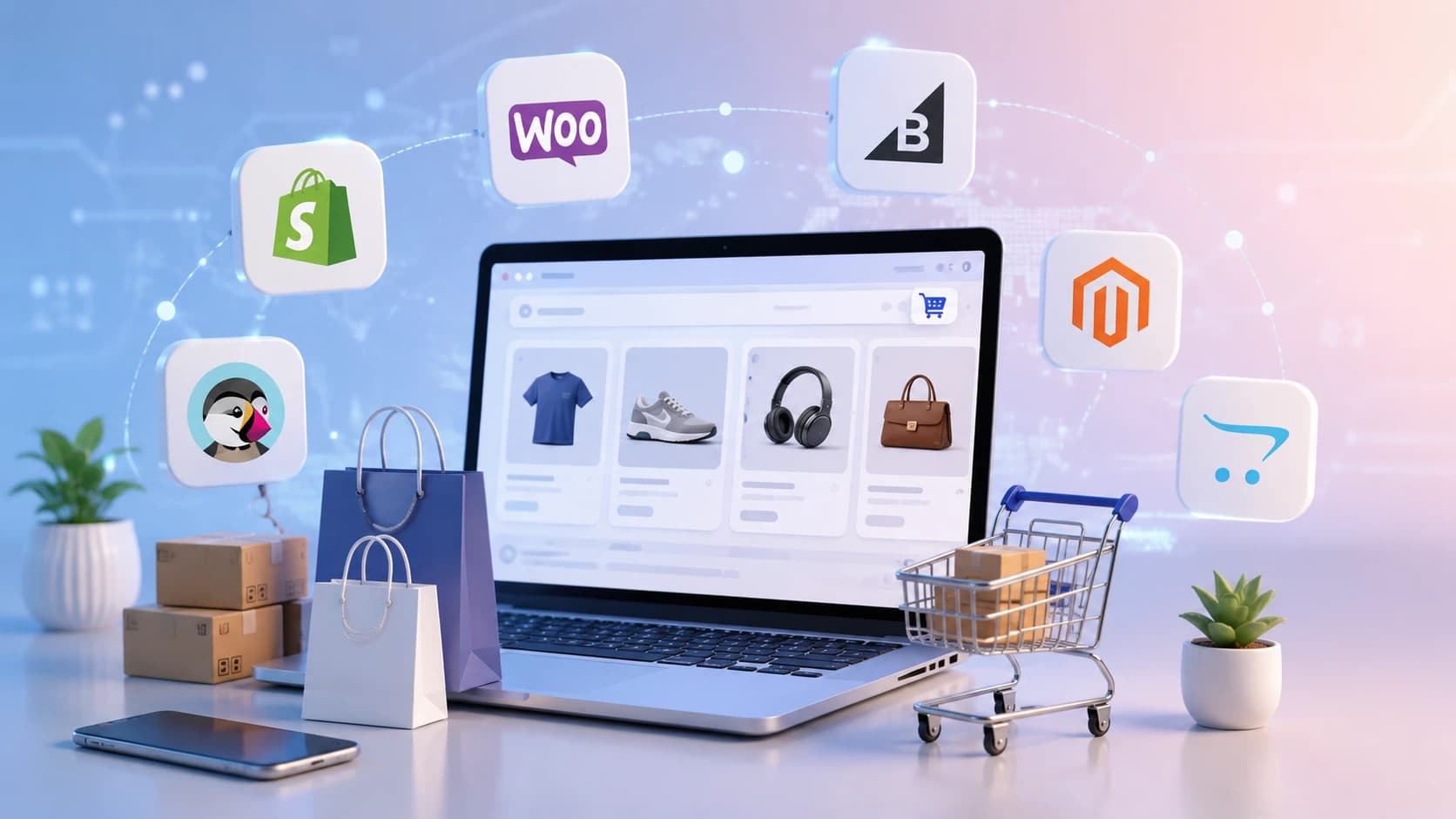
Best Ecommerce Platforms Used by Ecommerce Development Companies in 2026
Compare the ecommerce platforms development companies use in 2026, including Shopify, WooCommerce, BigCommerce, headless commerce, and custom builds.
How AI Can Make WordPress Management More Efficient
A practical guide to using AI in WordPress management for content workflows, maintenance, monitoring, performance, and lead handling without over-automating the site.
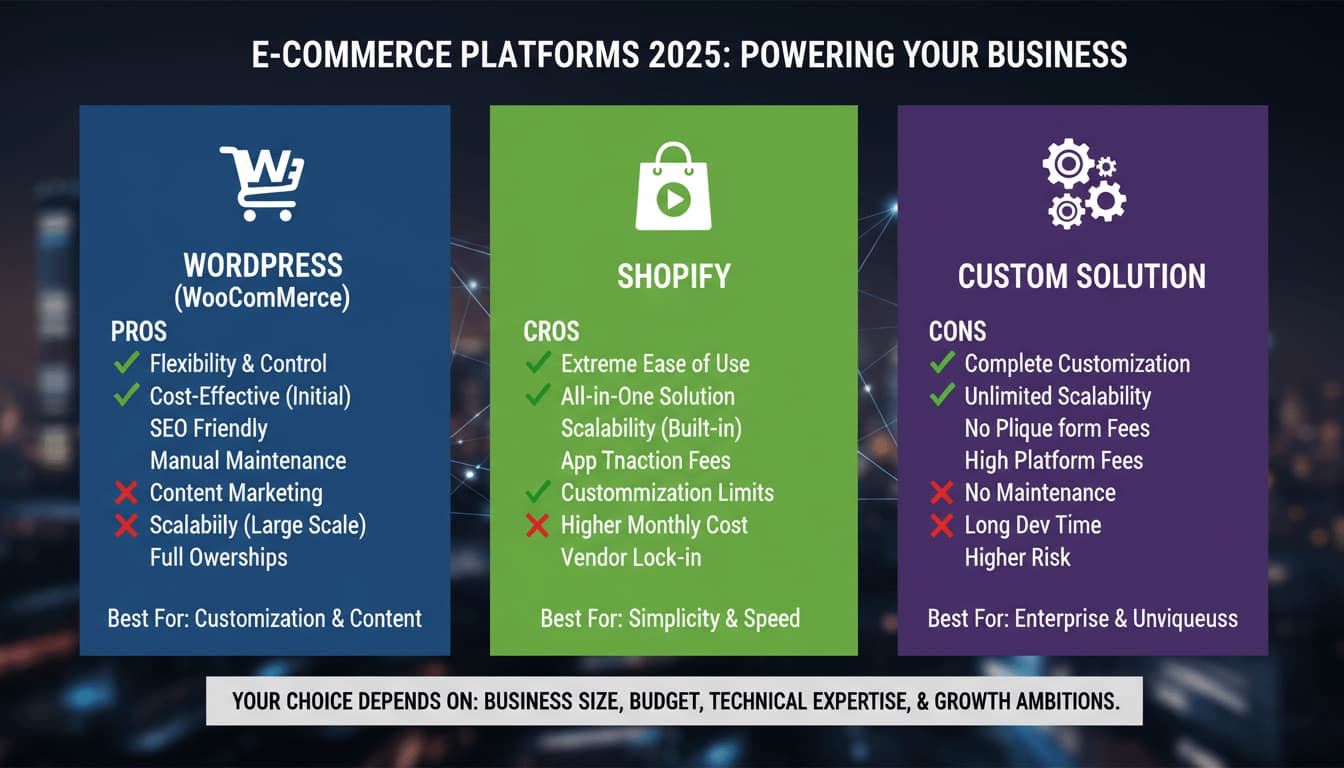
WordPress vs Shopify vs Custom: Which Platform Is Right for Your Business?
A practical comparison of WordPress, Shopify, and custom website development, with clear guidance on which platform fits different business goals, budgets, and growth plans.

Shopify Development Services by Zeroradius
Explore Shopify development services from Zeroradius, including store strategy, theme work, custom features, integrations, speed, SEO, and ongoing support.
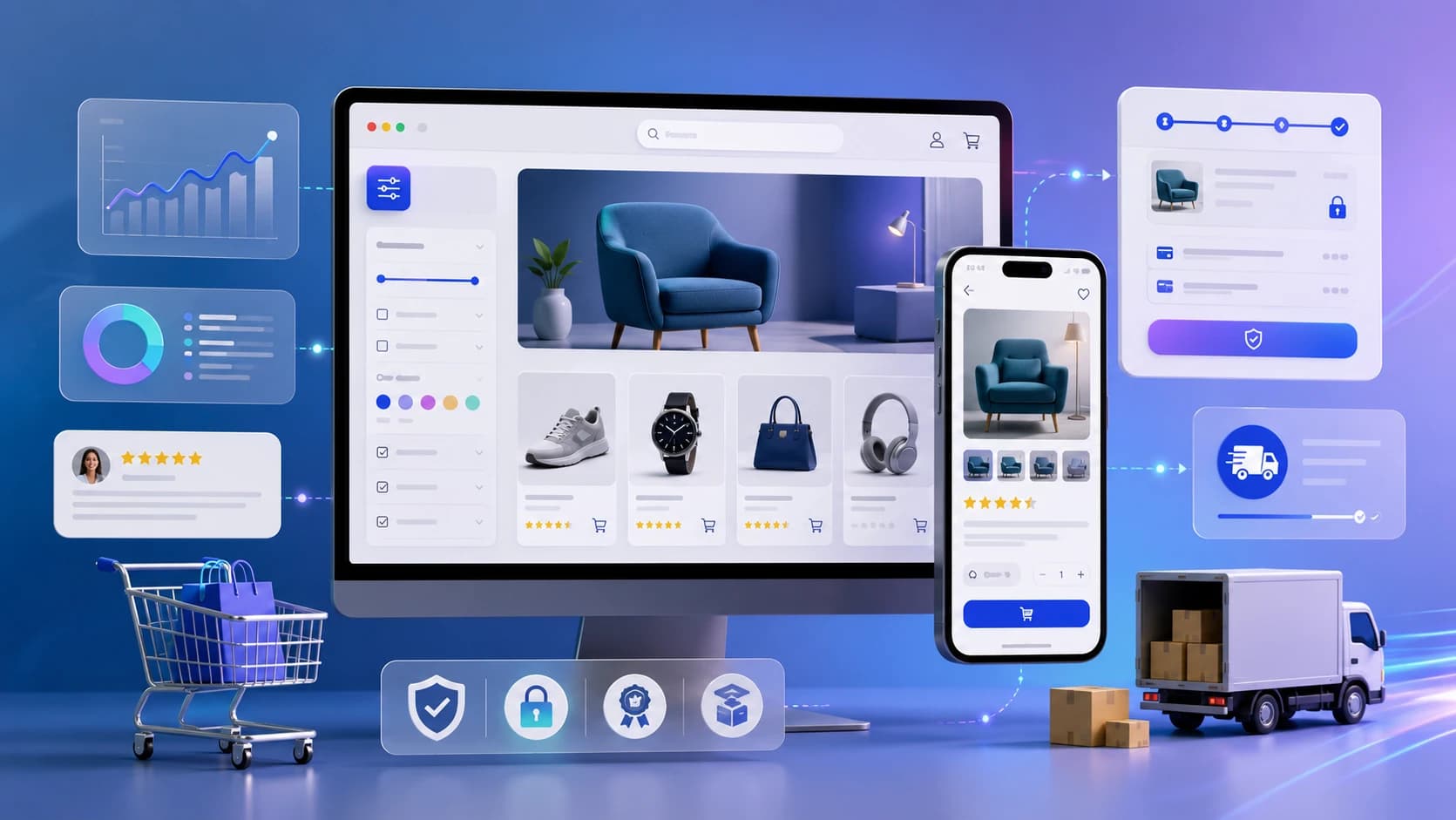
13 Essential Elements Every High-Performing Online Store Needs in 2026
Learn the essential elements of a high-performing online store, from speed and mobile UX to trust signals, product pages, checkout, and post-launch optimization.

Why Your Business Needs an eCommerce Development Company in 2026
The eCommerce boom isn’t coming - it’s already here. By 2026, global online sales are projected to surpass $8.1 trillion, and businesses that fail to adapt risk being left behind.
How Much Does a WordPress Website Cost in 2026?
A practical guide to WordPress website pricing in 2026, including what affects cost, realistic project ranges, hidden expenses, and how businesses should think about budget and ROI.
BigCommerce B2B Ecommerce Development Guide
A practical guide to BigCommerce B2B ecommerce development, covering buyer workflows, pricing logic, company accounts, reordering, integrations, and long-term scalability.
Frequently Asked Questions
Need a more specific answer? Talk to us and we'll point you in the right direction.
Headless commerce is an architecture where the customer-facing storefront is separated from the underlying commerce backend. APIs connect the frontend with commerce functionality, allowing teams to create more flexible digital experiences.
Headless commerce services can include architecture planning, headless storefront development, API integration, headless CMS integration, migration, performance optimization, and ongoing technical support.
Headless commerce can be considered when a business needs greater frontend flexibility, multiple digital channels, custom customer experiences, extensive integrations, or an architecture that can evolve independently from the commerce backend.
Yes. A headless CMS can be connected to a commerce platform through APIs, allowing content and commerce functionality to work together while remaining independently manageable.
Yes. An API-first architecture can allow commerce functionality and data to be consumed by multiple frontend experiences, such as websites, mobile applications, and other digital touchpoints.
Headless commerce can be suitable for enterprise businesses that require flexible architectures, complex integrations, multiple storefronts, or highly customized customer experiences. The appropriate architecture depends on the organization's technical and business requirements.
The technology stack depends on the project. Modern frontend frameworks such as React, Next.js, Vue.js, Nuxt.js, and Gatsby can be used for headless storefront experiences, depending on the architecture and platform requirements.
Yes. A migration can involve architecture planning, frontend redevelopment, API integration, content and data considerations, testing, and deployment planning. The migration approach depends on the existing commerce platform and technology stack.
Headless architecture can provide greater control over frontend performance, but performance depends on implementation, hosting, APIs, assets, code, caching, and other technical factors. A headless approach alone does not automatically make a website faster.
The right architecture depends on your commerce platform, frontend requirements, content needs, integrations, traffic patterns, team capabilities, and long-term business goals. Zeroradius can assess these requirements and help define an appropriate implementation approach.
Talk to a headless commerce specialist
Tell us about your headless commerce requirements
Share your commerce platform, storefront goals, customer experience priorities, integrations, and content requirements.
We can use that context to define the right headless commerce architecture and implementation approach for your business.