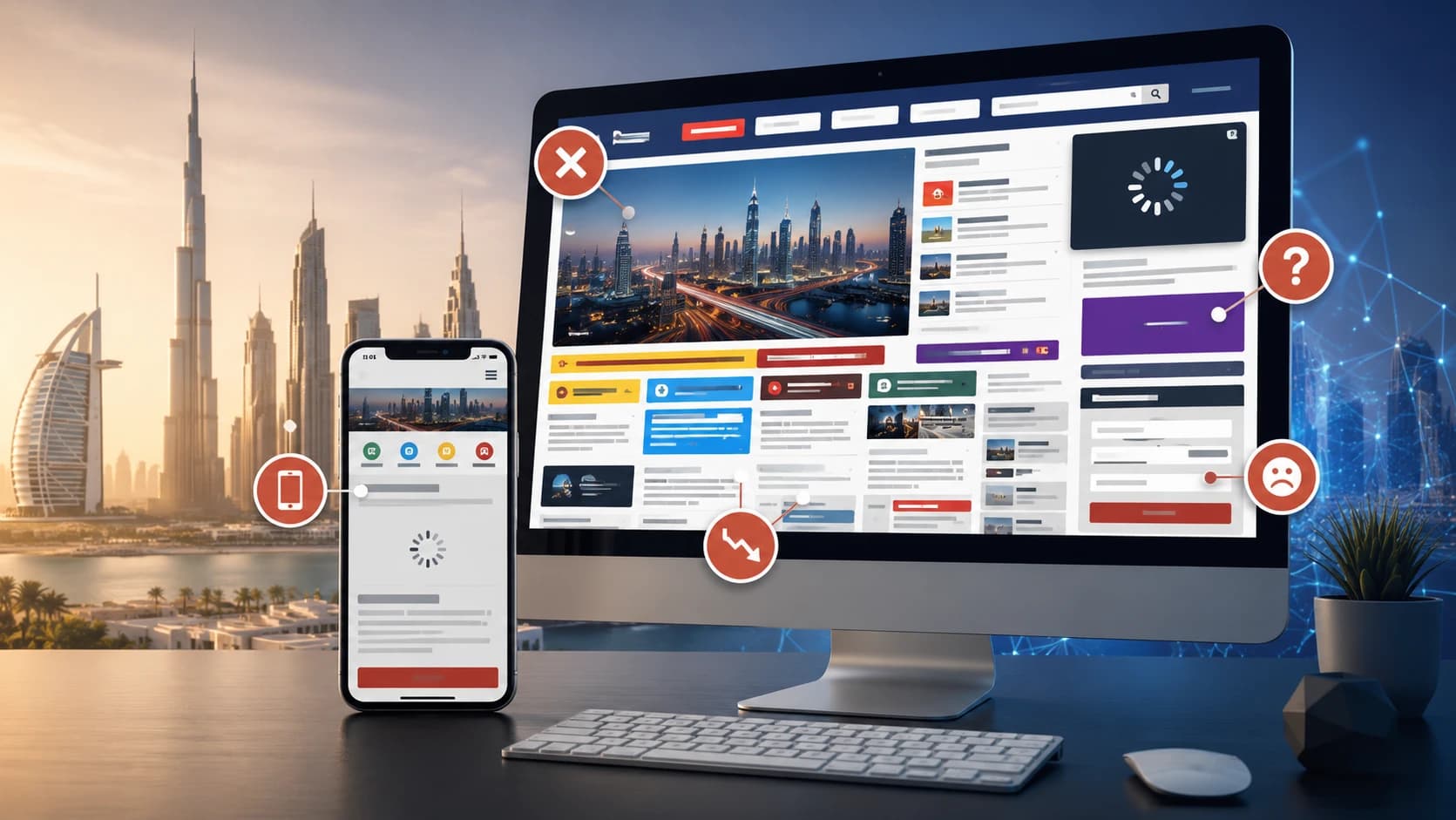
Choosing a web design agency is rarely just a design decision. It is a business decision that affects how your brand is presented, how smoothly customers move through your website, and how well the site supports lead generation over time. Many agencies can show attractive mockups, but that does not automatically mean they are the right long-term partner for your business.
The most reliable agencies combine design thinking with technical judgment, SEO awareness, and a clear delivery process. They do not simply promise a beautiful homepage. They explain how the website will work, how it will scale, and how it will support your commercial goals after launch.
Start With the Kind of Work They Actually Do
A portfolio should tell you more than whether the agency can make websites look modern. It should help you understand whether they have experience with projects similar to yours in complexity, audience, and business model. A business selling services, for example, may need a very different site structure from a brand building an online store or a company launching a content-heavy platform.
When you review previous work, pay attention to how clear the layouts feel, how well the sites perform on mobile, and whether the user journey seems intentional. A strong agency usually demonstrates not only visual style but also sensible structure, good readability, and practical attention to performance. Fast-loading work matters just as much as attractive work, especially if your website is supposed to support search visibility and lead generation.
Look Beyond Testimonials and Study the Pattern
Reviews are useful, but they matter most when you read them for patterns rather than isolated praise. One good testimonial does not tell you much. A consistent pattern of comments about communication, project management, responsiveness, and post-launch support tells you far more about what working with the agency will actually feel like.
Check platforms such as Google Reviews, Clutch, Trustpilot, and LinkedIn if they are available. If multiple clients mention missed deadlines, poor communication, or vague handover processes, take that seriously. In the same way, if reviewers repeatedly mention strategic thinking, clarity, and dependable support, that is usually a good sign.
Experience Matters, but Relevant Experience Matters More
Some agencies are excellent at branding-led brochure websites. Others are stronger in ecommerce, UX-heavy service websites, or technical platforms. The goal is not to find the agency with the broadest list of services. The goal is to find the one that understands the type of website you actually need.
If your project involves ecommerce, ask about experience with ecommerce website development. If usability and clarity are especially important, ask how they approach UI/UX design. If your website needs to support discovery through search, ask how they build SEO and performance into the project from the beginning rather than adding those concerns later.
A Good Process Usually Signals a Good Agency
Reliable agencies do not operate in a vague, improvised way. They can explain how discovery works, what happens during strategy and wireframing, how feedback rounds are handled, how development is structured, and what testing happens before launch. A clear process does not just keep the agency organized. It protects the client from confusion, scope drift, and unrealistic expectations.
In most cases, you should expect to hear a practical sequence that includes research, planning, design, development, QA, and launch support. If an agency jumps straight into visuals without discussing business goals, users, or content structure, that is usually a sign that the project may stay surface-level.
Design Alone Is Not Enough
Many businesses choose agencies based on aesthetics alone and only discover later that the website is slow, difficult to update, or poorly optimized for search. A more dependable agency will treat design as one part of the wider website experience. That includes performance, mobile responsiveness, accessibility, technical structure, and basic SEO readiness.
Ask direct questions. Will the website be mobile-friendly by default? How do they handle performance? Do they build with scalable content structures? What level of optimization is included before launch? Agencies that can answer these questions clearly are usually operating at a more mature level than those that stay vague.
If performance is part of the conversation early, that is a strong sign. Fast-loading sites and thoughtful build quality often matter more commercially than flashy design elements. This is especially true for businesses that want the website to support lead generation over time.
Communication Quality Often Predicts Delivery Quality
One of the easiest ways to judge a web design agency is to notice how they communicate before the project even begins. Are they clear, timely, and honest about scope? Do they explain technical concepts in a way that helps you make decisions? Do they define milestones and responsibilities without sounding evasive?
Poor communication in the proposal stage usually does not improve once a project is underway. By contrast, agencies that communicate well early on tend to be better at managing timelines, expectations, and revisions later.
Be Careful With Pricing Conversations
Price matters, but clarity matters more. A lower quote is not automatically better if it hides missing work, weak support, or an unclear handover process. Ask what is included, what is not, whether maintenance is separate, and who owns the final website once it is complete.
Transparent agencies should be able to explain how pricing relates to design, development, content structure, optimization, and support. If the proposal is vague, the working relationship may become vague as well. That is often when delays, change requests, and frustration begin.
Post-Launch Support Is Part of the Decision
A website is not finished the moment it goes live. Content changes, technical updates, security patches, and performance monitoring all matter after launch. That is why post-launch support should be discussed before the contract is signed, not after problems appear.
Ask whether the agency offers maintenance, how quickly they respond to support requests, and whether they can help with future optimization. Agencies that treat websites as long-term business assets are usually more useful partners than those who disappear after delivery.
Red Flags Worth Taking Seriously
Certain warning signs are common. If an agency has no credible work to show, gives vague answers, promises unrealistically fast timelines, or cannot explain how it handles design, development, and launch, you should slow down before moving forward. The same applies if their communication is inconsistent or if their reviews repeatedly mention avoidable problems.
Want a clearer user experience?
Improve the parts of your website users actually feel.
Get support with UX clarity, conversion flow, interface design, and website structure tailored to your goals.
Final Thoughts
Choosing a reliable web design agency requires more than comparing prices or liking a homepage design. The best partner is usually the one that understands your business goals, communicates clearly, works with a dependable process, and treats performance, usability, and long-term support as part of the job.
If you evaluate agencies through that lens, you are far more likely to choose a partner that can build a site that not only looks professional but also performs as a real business asset. If you want to discuss what that process should look like, the Zeroradius team is always available to help.
Have questions?
Start with Google, local directories, Clutch, and business referrals, but do not stop at discovery. Review portfolios, client feedback, and the agency's communication style before making a decision.
Pricing depends on scope, content needs, custom functionality, and post-launch support. The better question is what is included and how clearly that work is defined.
Many projects take several weeks, while larger or more custom builds can take longer. A dependable agency should be able to explain the timeline based on planning, design, development, revisions, and testing.
A strong agency should provide strategic planning, responsive design, sound development, performance awareness, SEO-ready structure, QA, and clear post-launch support expectations.