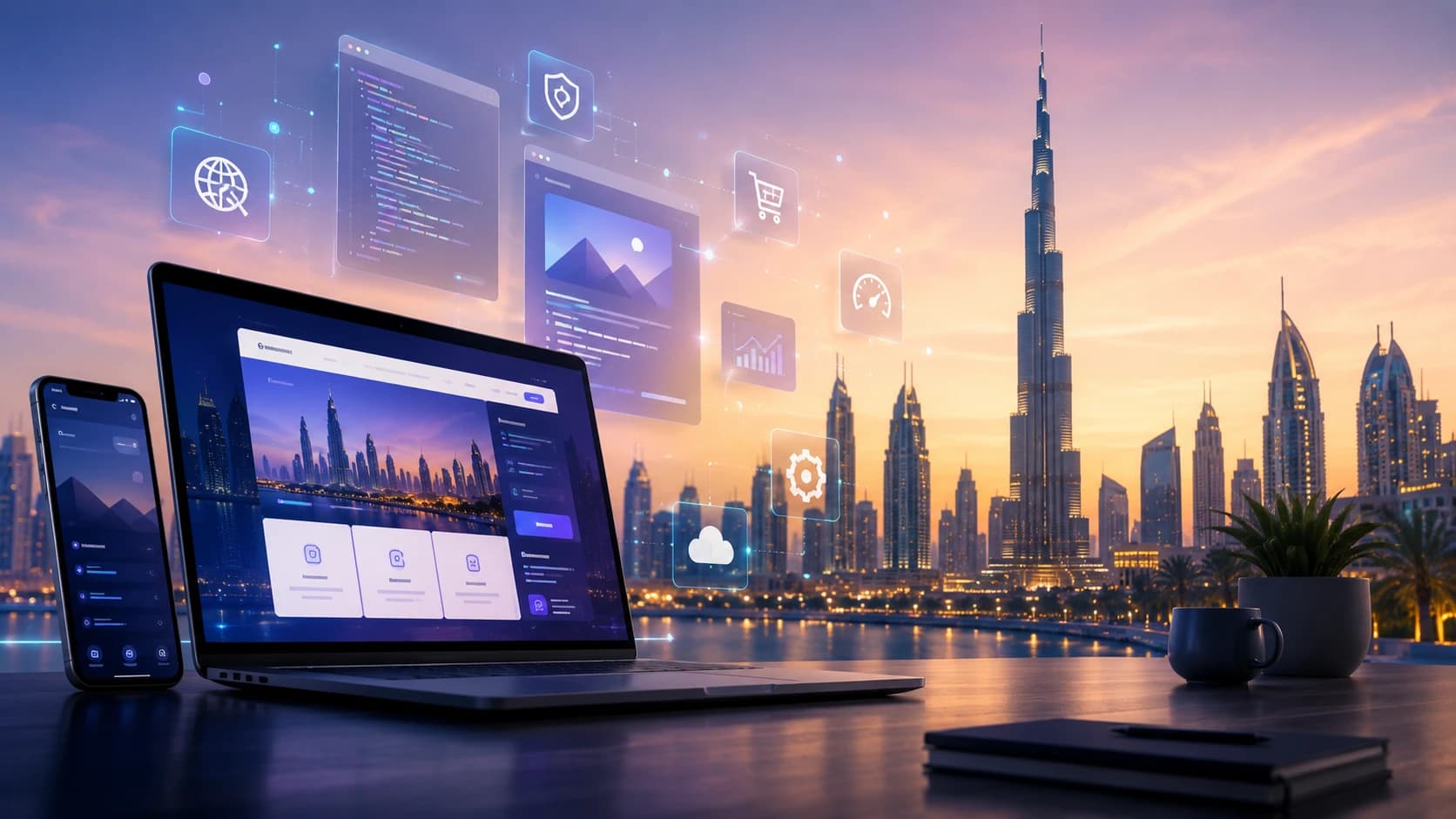
Website development in Dubai is evolving quickly because the market itself is unusually demanding. Businesses are competing in sectors where digital trust, mobile responsiveness, multilingual clarity, and premium presentation all affect whether a customer chooses to engage further. In that kind of environment, a website can no longer be treated as a static brochure or a basic compliance requirement. It has become a commercial instrument.
The smartest businesses in Dubai are responding by focusing less on surface-level redesigns and more on the infrastructure behind the experience. Performance, localization, personalization, and architecture all matter more when the market is fast, mobile-heavy, and highly competitive. The trends that matter most are not simply visual. They are strategic.
Performance Has Become a Business Standard
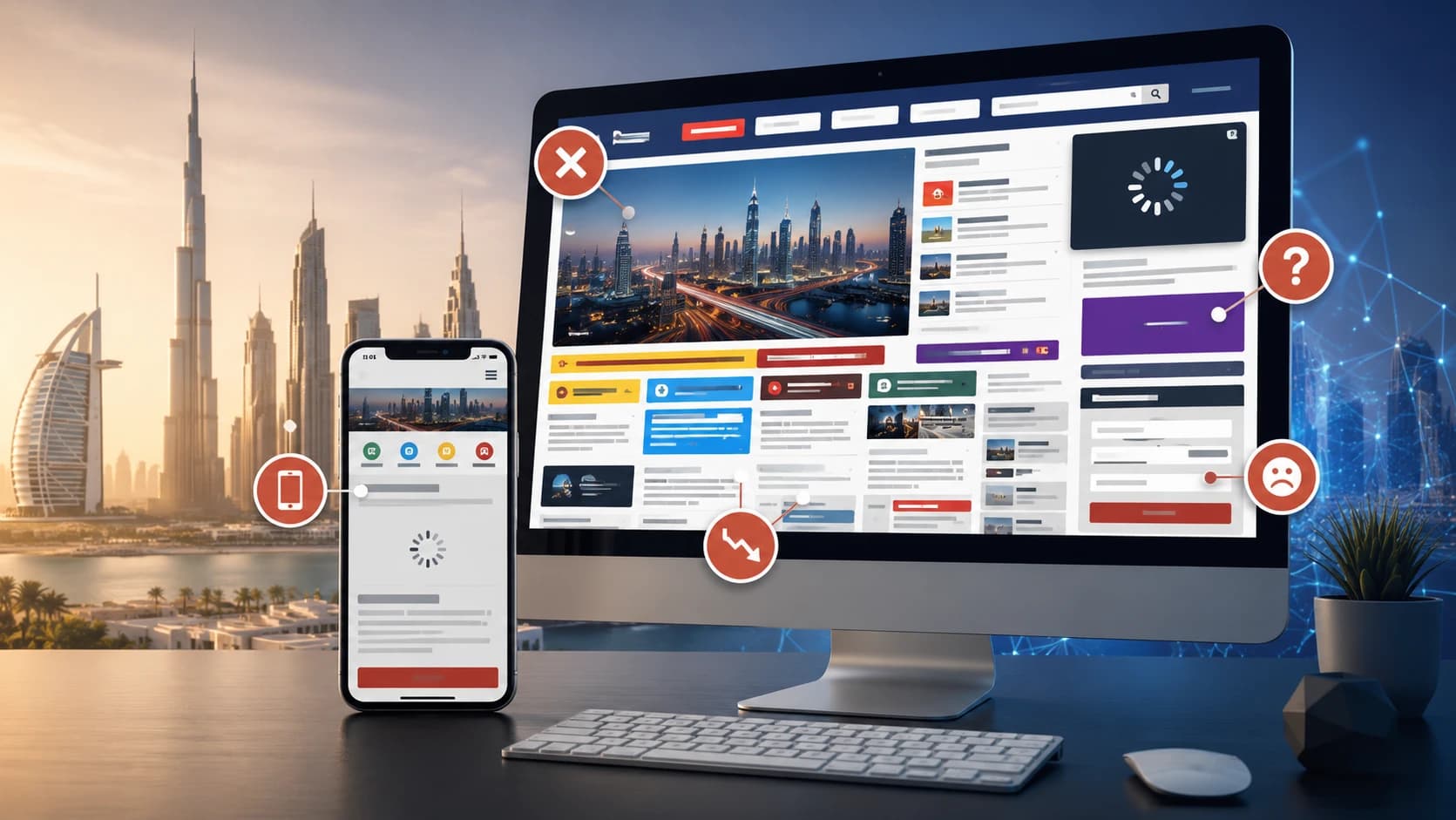
Speed is one of the clearest expectations in Dubai’s digital market. Whether the business is in real estate, luxury retail, hospitality, professional services, or ecommerce, users expect the website to respond quickly and smoothly on mobile. A slow site creates doubt immediately, and that doubt often affects conversions before the user has even reached the deeper content.
This is why performance-focused development is no longer an optional upgrade. Faster hosting, lighter frontend builds, cleaner scripts, optimized images, and more disciplined Core Web Vitals work all contribute to how credible a business feels online.
Mobile-First UX Is No Longer a Differentiator
Dubai has a strong mobile-first browsing culture, which means websites are often judged on the phone before they are ever seen on desktop. This changes how layouts should be planned, how CTAs should be surfaced, and how content hierarchy should work. A site that looks polished on a large screen but becomes clumsy on mobile is already behind.
Progressive Web App thinking also becomes more relevant here, especially for ecommerce and high-repeat-use experiences. The underlying lesson is simple: the mobile journey is often the real journey.
Bilingual and Multicultural UX Matters More Than Simple Translation
One of the most important trends in Dubai is not just multilingual support, but better bilingual experience design. English and Arabic users do not simply need the same content mirrored in different scripts. They need culturally aware content structure, proper right-to-left implementation where relevant, and localized messaging that still feels professionally consistent.
Businesses that take this seriously usually build more trust because the site feels intentionally made for the audience rather than mechanically translated for it.
AI Personalization Is Becoming More Common
Personalization is becoming more practical as businesses use AI to shape content, offers, or lead flows around user behavior. That does not necessarily mean every site needs an elaborate AI layer. It means more businesses are using smarter behavioral logic to make landing pages, recommendations, or inquiry paths feel more relevant.
In a competitive market like Dubai, even modest gains in relevance can make a meaningful difference to lead quality and conversion.
Scalable Architecture Is Becoming More Important
As Dubai-based businesses expand across services, campaigns, geographies, and languages, their sites need more flexible architecture. This is one reason API-first systems, stronger integrations, headless approaches in some cases, and cleaner content structures are getting more attention. The issue is not trendiness. It is sustainability.
A business that expects growth needs a website stack that can expand without becoming harder to manage every quarter.
Industry Expectations Are Rising
Different sectors in Dubai are pushing website standards upward in different ways. Real estate brands need better search, map logic, and trust-building. Hospitality sites need smoother booking journeys and stronger multilingual UX. Retail and ecommerce businesses need better mobile conversion and clearer personalization. Corporate service brands need stronger credibility, cleaner information architecture, and faster page delivery.
What connects all of these is that the website is being judged more directly as part of the business experience itself.
Want a clearer user experience?
Improve the parts of your website users actually feel.
Get support with UX clarity, conversion flow, interface design, and website structure tailored to your goals.
Final Thoughts
The most important website development trends in Dubai are not really about visual novelty. They are about building sites that are faster, more adaptable, more relevant, and more aligned with how users in the market actually browse and decide. Performance, mobile-first UX, bilingual quality, smarter personalization, and scalable architecture all sit at the center of that shift.
Businesses that respond well are usually the ones treating the website as a growth system rather than a one-time design project.
Have questions?
Performance and mobile-first usability are among the biggest priorities, especially when combined with better localization and smarter lead or conversion flows.
Because the market includes both English and Arabic users, and businesses build more trust when the experience feels properly localized rather than simply translated.
Not always in a complex form, but AI-assisted personalization, support flows, and content relevance are becoming increasingly useful in competitive sectors.