
We review your existing digital product, design files, interface patterns, brand requirements, components, and current workflow to understand what already exists and where improvements are needed.
Design Systems
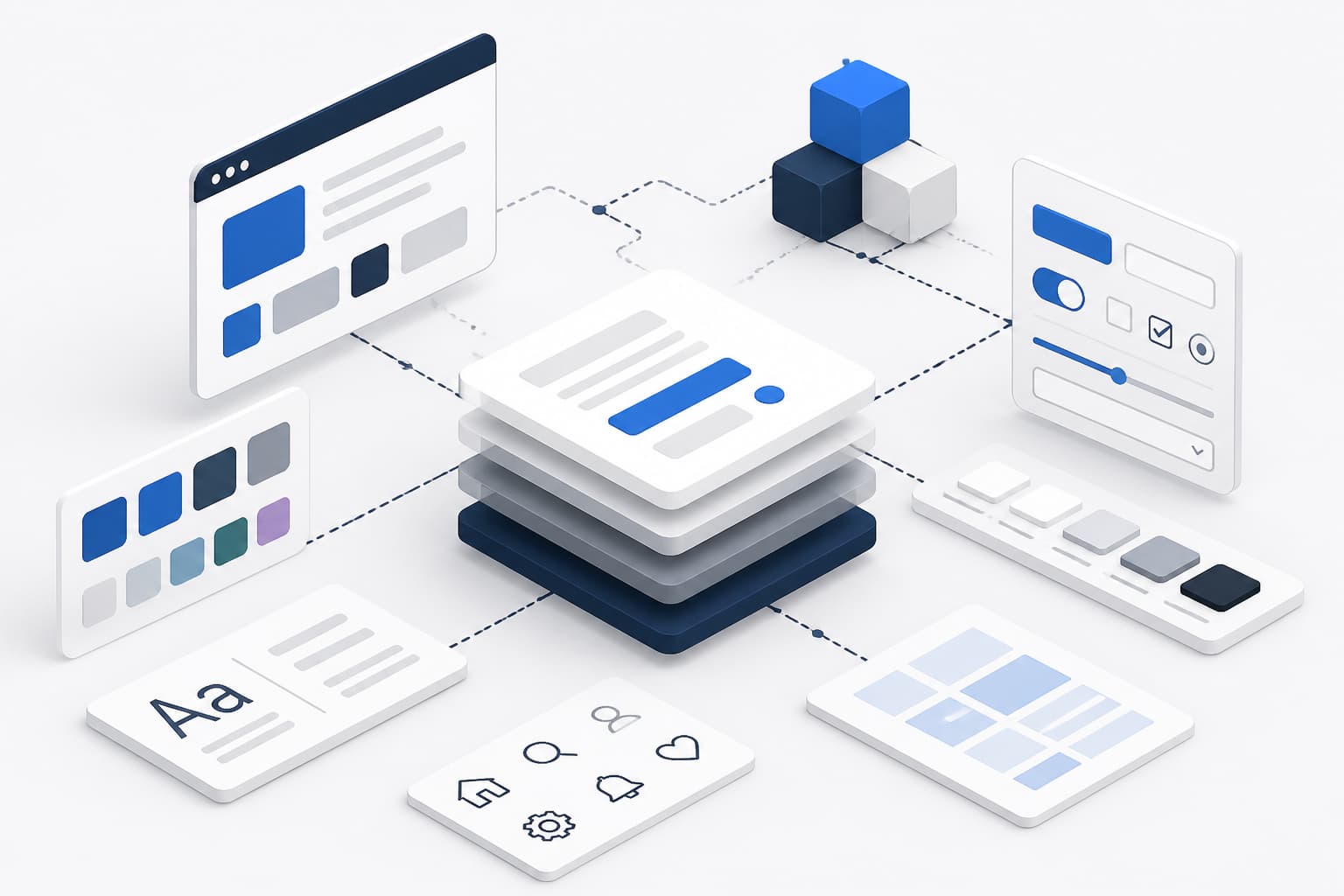
Create more consistent and scalable digital experiences with professional design system services built around your product, brand, and development needs. Zeroradius creates structured systems of reusable components, design tokens, patterns, and guidelines that help teams design and build digital experiences more efficiently.
Why Design Systems Matter for Your Business
As a digital product grows, maintaining consistency across pages, screens, features, and teams can become increasingly difficult.
Different buttons, forms, typography, spacing, colours, and interaction patterns can gradually create an inconsistent experience. This can also lead to duplicated design and development work as teams solve the same interface problems repeatedly.
A design system brings these elements into a structured framework.
At Zeroradius, we create design systems that connect visual design, reusable components, interaction patterns, and practical guidelines, giving design and development teams a shared foundation for creating consistent digital experiences.

Experience design benefits
As a digital product grows, maintaining consistency across pages, screens, features, and teams can become increasingly difficult.
Our Process
We build design systems around your product, brand, users, team, and development workflow.
We establish how the design system should be structured, including its foundations, components, patterns, documentation, and relationships between different elements.
We define core foundations such as typography, colour, spacing, grids, sizing, icons, and other visual principles that support the interface.
We create reusable UI components for common interface requirements such as buttons, forms, navigation, cards, tables, modals, inputs, and other product-specific elements.
We organize reusable values such as colours, typography, spacing, sizing, and other design properties to support consistency and scalability.
We define reusable interaction patterns, component variants, states, and behaviours so teams can handle different use cases consistently.
We document how components and patterns should be used and establish practical standards that help teams maintain and evolve the system over time while improving the handoff between design and development.
Work With Zeroradius
Build a More Consistent Product Experience
Tell us about your product, team, current design workflow, and the consistency challenges you want to solve. We'll help define the right design system approach for your business.
Whether you are starting a new product, redesigning an existing platform, managing multiple digital experiences, or dealing with inconsistent interfaces across teams, Zeroradius can help create a structured system that supports both design and development.
Insights
View All Articles
Featured Article
WordPress Core Release Roadmap: What Website Owners Should Know Before the Next Big Update
Review the WordPress core release roadmap and learn how website owners should prepare for updates, compatibility checks, backups, testing, and maintenance.
Read Article
Elementor Atomic vs Bricks Builder: Which Direction Makes More Sense in 2026?
A practical comparison of Elementor Atomic and Bricks Builder in 2026, focused on workflow, design systems, developer control, performance, and long-term WordPress site quality.


How to Choose a Reliable Web Design Agency Near Me
Learn how to choose a reliable web design agency, including what to check in process, portfolio, pricing, communication, technical quality, and long-term fit.


Website Development Trends in Dubai: What Smart Businesses Should Focus On
A practical guide to the website development trends shaping Dubai businesses, including performance, multilingual UX, AI personalization, scalable architecture, and mobile-first expectations.

How Zeroradius Approaches UI/UX Design
Learn how Zeroradius approaches UI/UX design through research, journey planning, interface clarity, responsive design, conversion thinking, and testing.

The Zeroradius Website Design Process
A practical look at the Zeroradius website design process, from discovery and UX planning to design, development, testing, launch, and improvement.
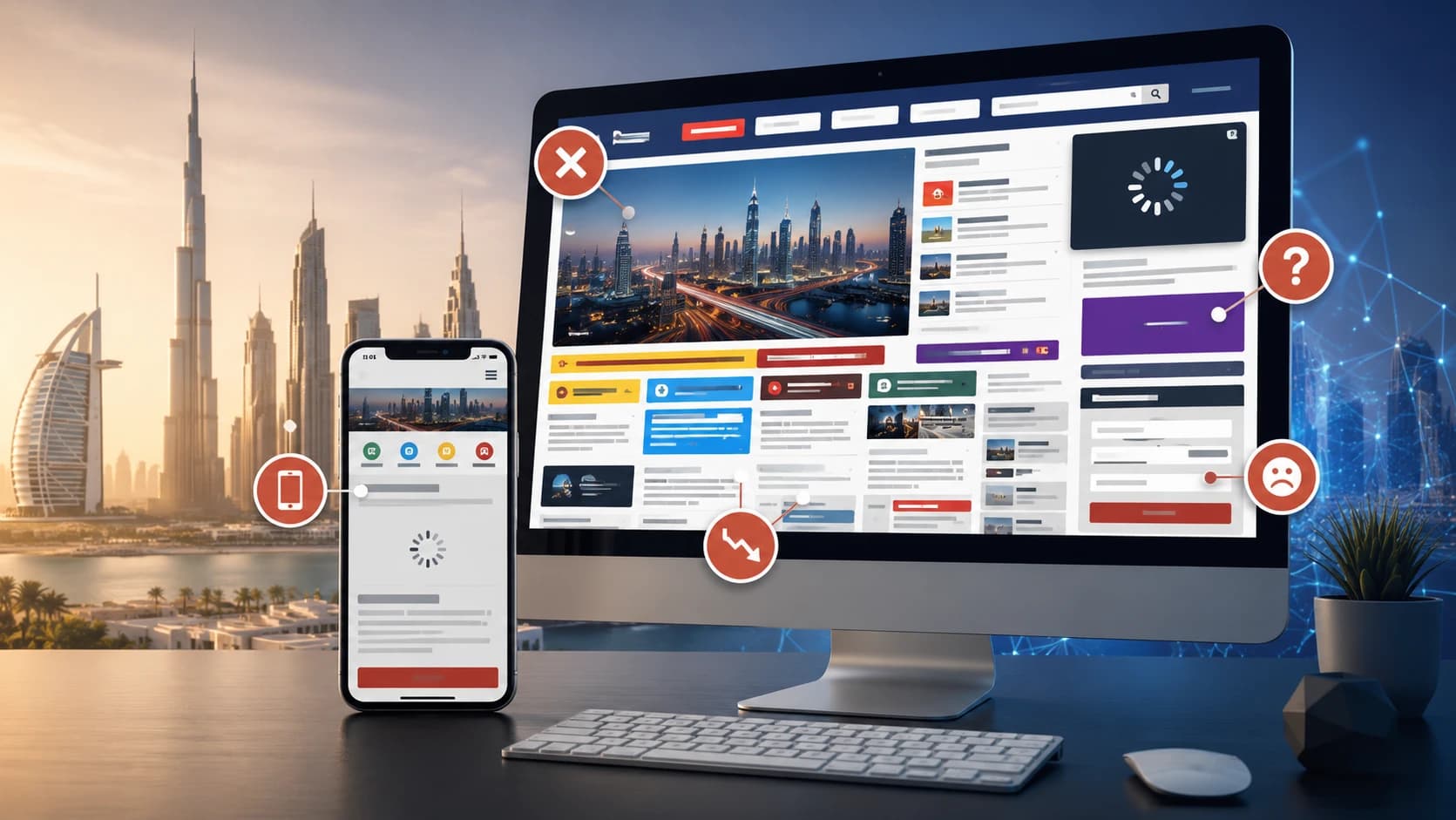
Common Website Mistakes Dubai Businesses Make (And How to Fix Them)
Review common website mistakes Dubai businesses make and learn practical fixes for speed, UX, mobile experience, SEO, trust, and lead generation.
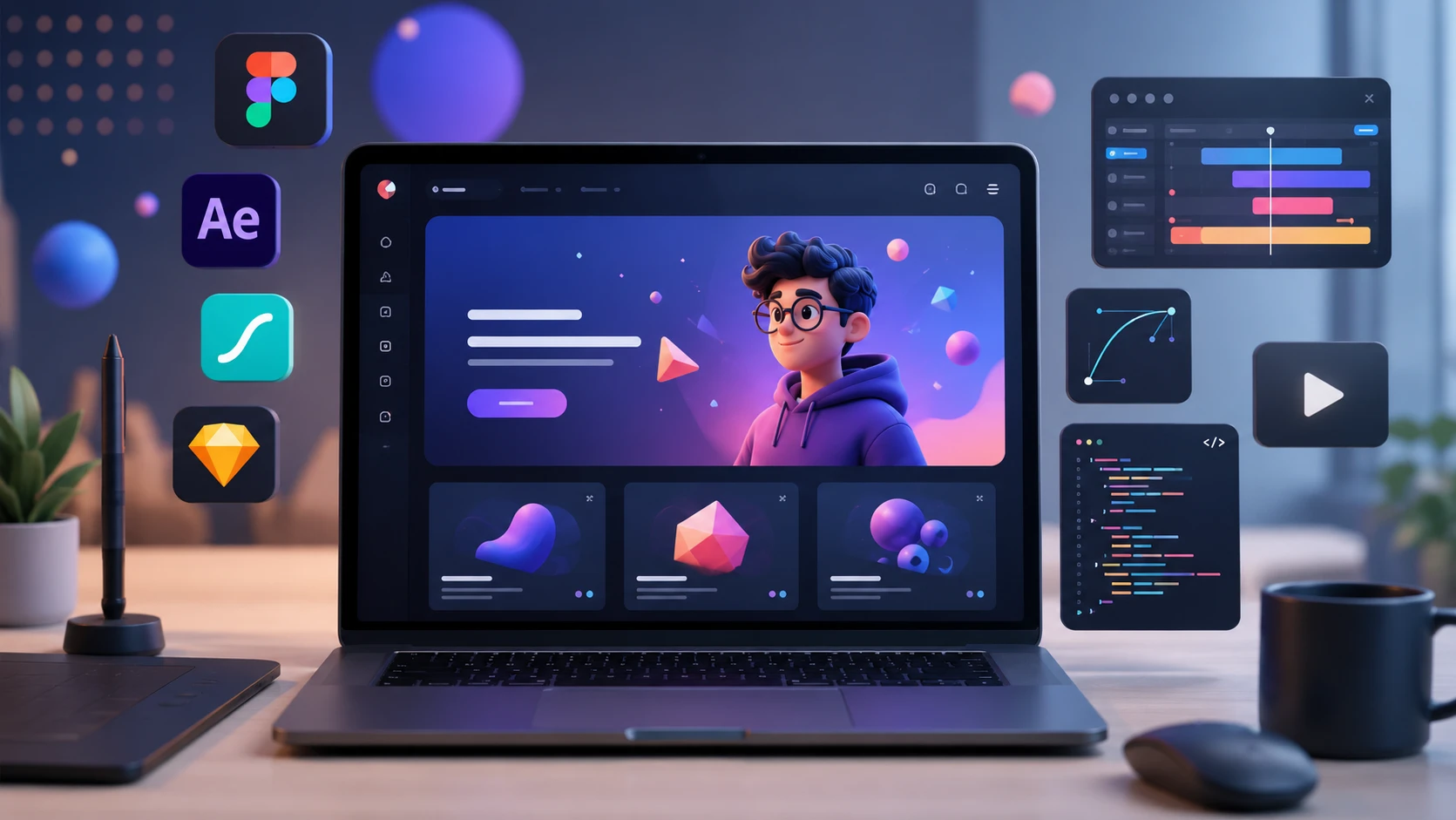
Top Tools for Building Animated Web Portfolios
A practical guide to the best tools for building animated web portfolios, including where each one fits and how to use motion without hurting clarity, speed, or accessibility.
How to Build a WordPress Website Without Coding in 2026
A practical guide to building a WordPress website without coding in 2026, including the tools to use, the limits of no-code workflows, and when expert help still matters.
Agentic Commerce: How AI Shopping Agents Are Changing Ecommerce
Learn what agentic commerce means for ecommerce brands, and how clearer product data, stronger store structure, and better trust signals can help your products stay visible to AI shopping agents.

BigCommerce B2B Ecommerce Development Guide
A practical guide to BigCommerce B2B ecommerce development, covering buyer workflows, pricing logic, company accounts, reordering, integrations, and long-term scalability.
Frequently Asked Questions
Need a more specific answer? Talk to us and we'll point you in the right direction.
A design system is a structured collection of reusable design elements, components, patterns, principles, and guidelines used to create consistent digital experiences.
Design system services involve creating or improving the foundations, components, patterns, documentation, and guidelines that teams use to design and build consistent digital products.
Depending on the project, a design system can include typography, colours, spacing, grids, icons, components, variants, interaction states, responsive patterns, design tokens, accessibility considerations, and documentation.
A design system gives designers and developers a shared framework for creating consistent interfaces and can make it easier to manage design as a digital product grows.
Yes. A custom design system can be built around your brand, product, users, functionality, technology, and team requirements.
Yes. We can review an existing product, identify recurring patterns and inconsistencies, and organize them into a more structured system.
Yes. Enterprise design systems can be structured to support larger organizations, multiple teams, products, platforms, and complex interface requirements.
A UI component library is a collection of reusable interface components such as buttons, forms, navigation, cards, inputs, tables, and other interface elements.
Design tokens are reusable values that represent design decisions such as colours, typography, spacing, sizing, and other properties. They help create consistency across a design system.
Yes. Figma can be used to organize reusable components, styles, variables, and other design system elements for design teams.
Yes. A design system can be structured to support cross-platform experiences when the product requires consistency across different platforms.
Yes. Documentation can explain component usage, variants, states, patterns, design principles, and other information needed by designers and developers.
Yes. Governance can establish practical standards for maintaining, updating, reviewing, and expanding the system as the product evolves.
Start your design system project
Ready to Build a More Scalable Design System?
As your digital product grows, your design system should make growth easier to manage.
Share your product, brand, current workflow, team structure, and the consistency challenges you are dealing with. We can then define the right design system scope and approach for your business.